Koji fermentation is one of the oldest tools in any cook’s vocabulary, and today it is rewriting how the world understands taste, ingredients, and the relationship between tradition and innovation.
What koji fermentation actually is
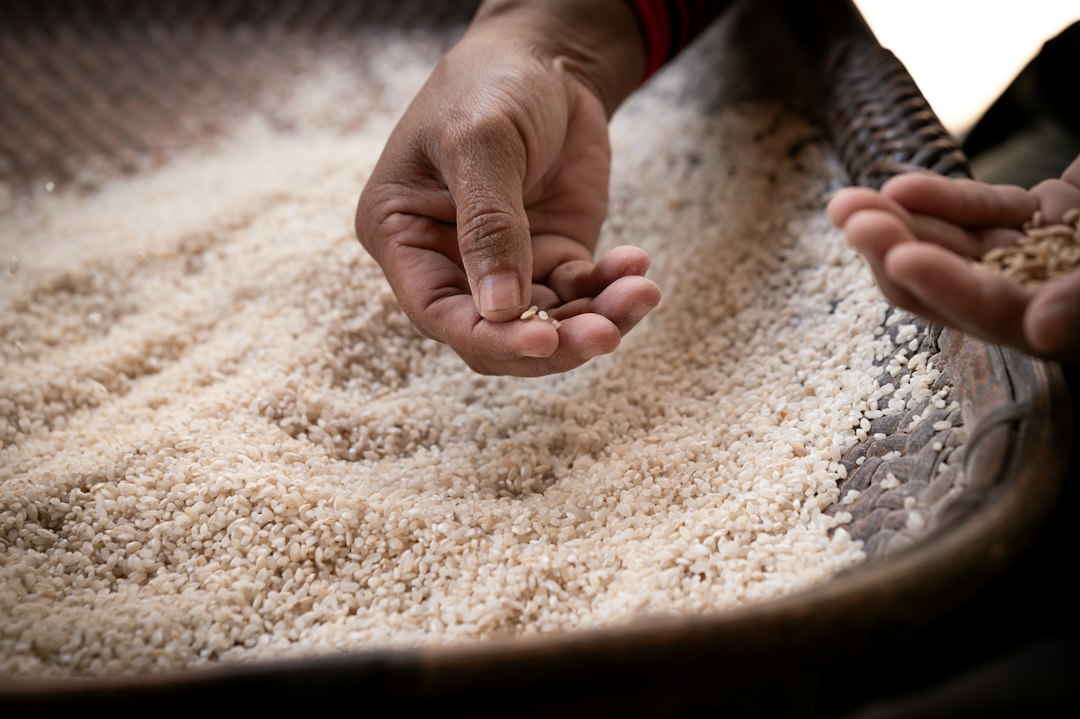
Scientifically, koji is Aspergillus oryzae, a filamentous fungus first domesticated in Asia thousands of years ago. It has over 1,300 years of history in Japan, originally arriving from China around 700 A.D. during the Asuka and Nara periods. Koji refers to steamed grains, most notably rice, barley, and soybeans, that have been combined with this mould. Left on the grain for a day or more, the mould allows the substrate to ferment enough to create other fermented foods, such as miso, sake, and soy sauce.

What makes Aspergillus oryzae remarkable is not its structure but its enzymatic output. As it grows, it secretes a complex mixture of enzymes that systematically dismantle the molecules in its substrate. Koji does not ferment the substrate itself. It prepares it, unlocking sugars and amino acids that other microorganisms then act upon. Unlike other fermentation agents such as yeast or lactic acid bacteria, koji’s range of enzymes allows for a more complex breakdown of ingredients. It does not just add saltiness or sweetness. By breaking down proteins into free amino acids like glutamate, it creates a richer, more satisfying taste.
In 2006, the Brewing Society of Japan made an unusual official declaration. They designated Aspergillus oryzae, a mould cultivated on grain and legumes for over 2 millennia, as Japan’s national mould (kokukin). That designation reflects a truth every serious cook should understand: this organism is not a curiosity. It is a foundation.
The roots of a fermented civilization
Historically, koji spread through temple kitchens and early breweries, where monks treated fermentation as both craft and devotion. In Japan, koji was the key to developing staple ferments like miso, shoyu (soy sauce), sake, and mirin. Each of these products uses koji’s enzymatic power to break down proteins and starches into amino acids and sugars.

I find deep resonance in this history because Latin America carries the same logic. Our civilizations also understood that transformation, not just preparation, creates flavour. The Andean tradition of chicha, where enzymes in saliva begin the saccharification of maize, is a process indigenous peoples of the Americas accomplished by chewing corn to make chicha, a method that mirrors what koji does: convert starch into something alive and complex. The tools differ. The intelligence is the same.
Japan has a wide variety of fermented foods divided into 4 broad categories: condiments, side dishes, alcoholic drinks, and nonalcoholic beverages. Fermented side dishes include tsukemono (pickles), shiokara (salted seafood), and natto. The greatest variety appears in fermented condiments such as soy sauce, miso, mirin, vinegar, and shio-koji. This breadth shows what koji fermentation can do when a culture commits to it fully.
How koji fermentation entered the global kitchen
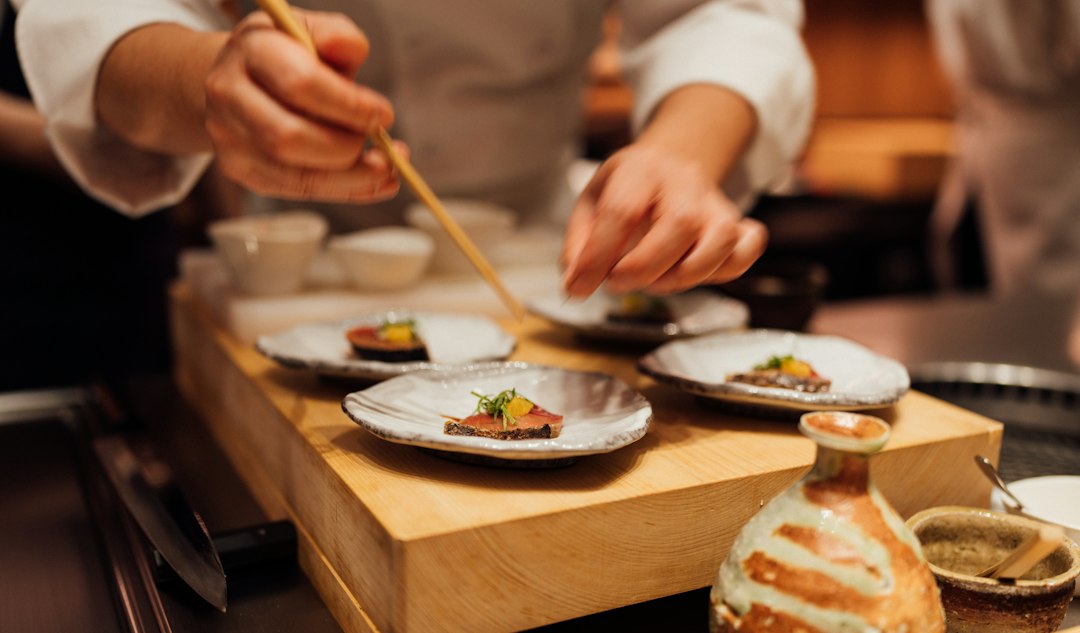
The increasing appearance of fermentation-led research and development departments in fine-dining restaurants has driven koji globally. In recent times, koji has been spreading around the world, partly because of its enzymatic potential. These enzymes have expanded the use-cases beyond Japanese cuisine, enabling innovations that enhance umami-based flavours and create tastes using less resource-intensive means, such as koji-aged charcuterie that mimics the flavour development of dry-aging meats.
According to the CIA Menus of Change 2025 Annual Report, koji-based fermentation is now the single fastest-growing technique in professional kitchens. Nearly 30 percent of surveyed chefs are actively working with it. In Mexico City, at Balcón del Zócalo, chef Pepe Salinas grows koji on arroz Morelos, a rice native to Mexico, showing exactly how this ancient mould connects to local ingredients with remarkable results.
Practitioners from a global culinary community have apprenticed in koji-making settings such as sake breweries and miso fermentaries in Japan, embodying the knowledge and returning to their respective countries to apply their learnings. This movement of knowledge mirrors how Latin American chefs travel to learn and then return to reinvent their own traditions with greater depth and confidence.
An expert perspective on koji fermentation
Koji fermentation represents something genuinely rare in food culture: an ancient microbial technique that grows more relevant with each passing year, not less. The reason is enzymatic versatility. Koji produces amylases, proteases, and lipases simultaneously, and this combination allows a chef or producer to unlock flavours in almost any substrate, not just the traditional grains of Japanese cuisine. We are seeing this applied to cacao, to legumes, to meats, and to plant-based ingredients in ways that were simply not part of the conversation a decade ago. The sustainability angle is equally compelling. Koji fermentation allows kitchens to build extraordinary depth of flavour from ingredients that might otherwise be discarded. It is a zero-waste philosophy encoded in a living organism. For chefs working at the intersection of tradition and innovation, koji fermentation is not a trend. It is a permanent new tool.
Industry perspective, fermentation and culinary innovation professionals
The science that makes it work
Koji produces amylases that break down starches into fermentable sugars such as glucose and maltose. Proteases cleave proteins into peptides and free amino acids, including glutamate. Lipases degrade fats into fatty acids, contributing to aroma complexity. Each of these reactions produces flavour. Together, they create the layered, satisfying quality that cooks call umami.
Koji contains a diverse array of nutrients that contribute to its potential health benefits. It provides a rich source of B-vitamins, including B1, B2, B3, B6, and B12, as well as biotin, folic acid, and iron. Fermentation also enhances the bioavailability of nutrients and introduces beneficial compounds, including bioactive peptides and polysaccharides. This nutritional dimension matters to chefs who think about what food does inside the body, not just what it tastes like on the plate.
In some kitchens, flavour is developed less through added richness and more through processes that simply take time. Vegetables, fish, and meat may be marinated or gently fermented, sometimes with koji, so depth builds gradually rather than being added at the end. This patience is a form of respect for ingredients that I recognise deeply from the best traditional cooking across Latin America.
Koji fermentation and the future of flavour
Koji fermentation does not belong to 1 country or 1 cuisine. In modern times, chefs around the world have rediscovered it not just for traditional uses but as a foundation for zero-waste and circular fermentation. It is no longer only a Japanese ingredient. It is a global method for rethinking what food can be.
Bartenders and beverage directors are also taking notice, with predictions that menus will highlight ingredients like sorrel, koji, and sea greens to create culinary-style beverages with real depth and savour. The boundary between kitchen and bar is dissolving, and koji fermentation sits at the centre of that conversation.






What excites me most is the possibility of koji fermentation meeting the fermented traditions of Latin America. We have chicha, tepache, and cacao ferments that already carry centuries of accumulated microbial wisdom. The encounter between those traditions and koji fermentation is not a dilution of either culture. It is a new conversation between 2 civilisations that both understood, long before modern food science, that life transforms ingredients into something greater than what you started with. That understanding is the most important ingredient of all.

Why koji fermentation deserves your full attention
Koji fermentation is not a passing trend. It is an ancient, rigorously scientific, and endlessly creative practice that is now available to every cook and every kitchen in the world. Today, koji remains a cornerstone of Japanese food and has found its way into global cuisine, appreciated for its ability to enhance flavours and create complex, savoury profiles. The evidence is clear: chefs who engage with koji fermentation build flavour that no shortcut can replicate. Start by reading, tasting, and experimenting. Visit a local Japanese market and buy a packet of shio-koji. Try it as a simple marinade. Let the enzymes do their work. That first result will teach you more about koji fermentation than any description can, and it will leave you wanting to go much further.
Discover more about koji fermentation
- Koji Starter and Koji World in Japan (PMC/National Library of Medicine)
- “A Whole New World of Possibilities”: Koji Uses and Ambiguities on the Global Marketplace (Food, Culture & Society)
- Trend to Table: The Koji Craze That’s Quietly Reshaping Fine Dining (Fine Dining Lovers, 2025)