Clay vessels have carried the greatest flavors in human history, and the science behind them is more remarkable than most cooks realize.
The oldest cooking technology still wins on taste
Every serious cook has a moment of revelation. For many cooks in Mexico, Colombia, Peru, and across the ancient world, that moment comes when they taste a stew, a bean dish, or a slow-cooked meat prepared in traditional earthenware. The result is deeper, richer, and more complete than anything a stainless steel or aluminum pan produces.
The science of clay, including its porosity, heat retention, and ability to create a self-steaming environment, explains its enduring excellence in slow cooking, concentrating flavors, tenderizing meat, and preserving nutrients. This is not nostalgia. It is physics and chemistry working together inside a vessel shaped by hand.

Mass-produced ancient ceramic cooking pots from Neolithic Mesopotamia revolutionized the art of cooking by allowing foodstuff to be processed in water. From that point forward, civilizations across the globe refined this technology into extraordinary regional forms.
How clay vessels create superior flavor
The key mechanism is porosity. The science behind clay pot cooking lies in the unique properties of clay. When food cooks in a clay pot, the porous surface allows moisture to evaporate, creating steam within the vessel. This steam then condenses and falls back into the dish, ensuring it remains moist and flavorful.
Clay pots heat up slowly and evenly. This means food cooks uniformly, reducing the risk of burning or overcooking. Whether you simmer a stew or cook rice, you notice the difference in texture and taste. Modern metal pans conduct heat fast and aggressively. Clay vessels conduct it gently and consistently. That difference changes everything about the final dish.

This process made meat and vegetables more palatable by forced denaturation and retrogradation of essential food constituents, added richer flavors and succulent taste, and provided a gentle, easy-to-control treatment of heat-sensitive food. Ancient cooks discovered this by experience. Researchers at Technische Universität Bergakademie Freiberg confirmed it in a 2024 review published in the journal Archaeometry.
What nutrients and minerals clay vessels preserve
Beyond flavor, clay vessels protect the nutritional value of food in ways that modern cookware does not. Clay is an excellent heat conductor, allowing for even heat distribution and minimizing the risk of hotspots. This gentle and uniform heat helps preserve the ingredients’ nutritional value, ensuring that essential vitamins and minerals are retained during cooking.
Additionally, clay pots add important nutrients like calcium, phosphorous, iron, magnesium, and sulfur to food, which benefit the body. Clay is also alkaline, and it neutralizes acidity in food, which makes it easier to digest.





Unlike some metal or non-stick cookware, natural unglazed clay pots do not leach harmful chemicals. This is a significant advantage for anyone who cooks daily and cares about what enters their food during the cooking process.
Expert perspective on clay vessels and food heritage
Clay vessels are not simply cooking tools. They are cultural documents. Each unglazed pot absorbs the oils, fats, and aromatics of every meal prepared inside it. Researchers have confirmed that this residue accumulates across a pot’s entire lifetime of use, not only from the last meal cooked. This means a clay vessel used for generations in a Latin American or Asian kitchen carries a literal chemical record of a family’s culinary history. From a heritage and flavor perspective, that accumulation also seasons the vessel in a way no synthetic coating can replicate. The slow, even heat that clay delivers is irreplaceable for dishes that depend on gradual flavor development, such as bean stews, pozole, or slow-braised meats. Modern cookware solves many practical problems, but it cannot reproduce what clay does to time-sensitive chemistry inside the pot.
Industry perspective, food heritage research and ceramic cooking traditions professionals
Latin American traditions and the global revival of earthenware
Latin America holds some of the most refined clay cooking traditions on Earth. In a yearlong cooking experiment led by researchers at the University of California, Berkeley, 7 chefs each prepared 50 meals using combinations of venison, maize, and wheat flour in La Chamba ceramic pots. This robust, burnished black clay cookware dates to pre-Columbian South America, and the handcrafted vessels remain popular for preparing and serving traditional foods today.
Gastronomic practices going back millennia, including Aztec turkey, hominy pozole, and ancient bean stews, can be reconstructed by analyzing the chemical compounds adhering to and absorbed by the earthenware in which they were prepared. This research gives ancient cooking techniques a scientific foundation that commands serious respect.
Cooking pottery was made from micaceous earthenware all around the Mediterranean, up through Turkey and into Bulgaria, in South America, parts of Mexico, parts of Africa, and India. The convergence of so many independent cultures around the same material is itself strong evidence of its practical superiority.
Why clay vessels belong in every modern kitchen
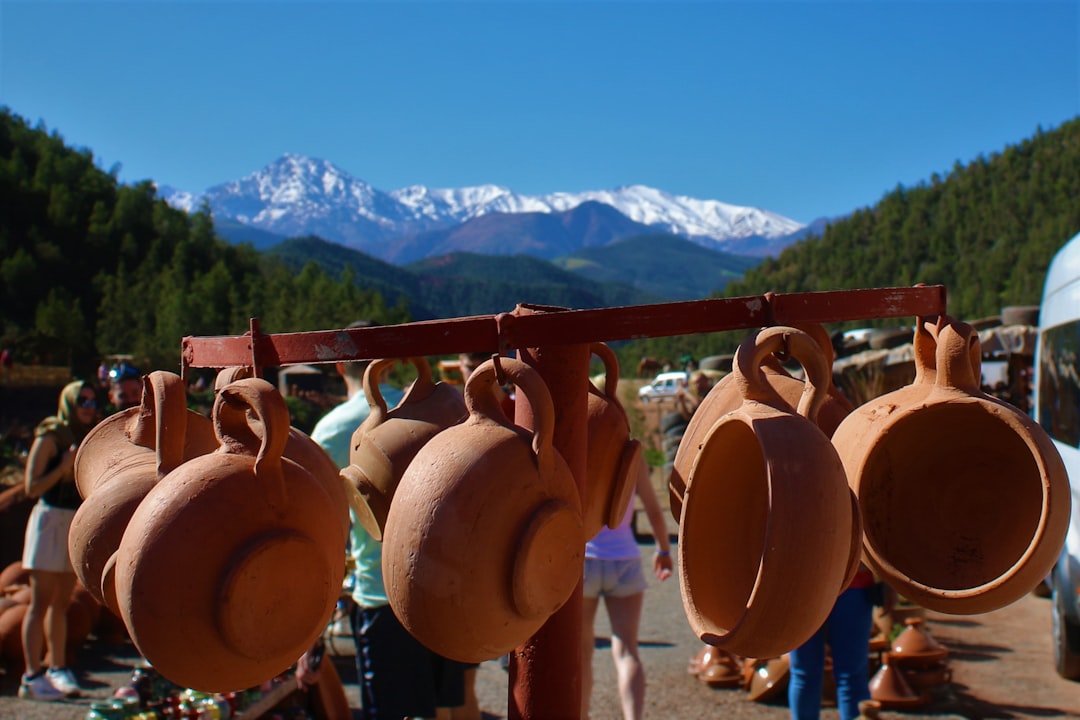
In an era where energy conservation is important, clay pot cooking presents an eco-friendly solution. Clay pots have excellent heat retention properties, allowing you to cook at lower temperatures and for shorter durations than other cookware. Once the pot is heated, it radiates heat, reducing the need for excessive stove use.
Traditionally, Chilean Pastel de Choclo is baked in a clay dish, which enhances its deep, smoky flavor. From the highlands of Mexico to the kitchens of Colombia and Peru, clay vessels continue to define regional identity and culinary excellence.
Clay vessels deserve a place at the center of the conversation
Clay vessels are not a trend. They are the original precision cookware, refined over thousands of years across every major food culture on Earth. The porosity delivers superior flavor. The gentle heat protects nutrients. The earthenware material adds minerals and balances acidity. Every one of these advantages is now supported by serious research. If you cook with passion and care about the quality of every dish you produce, clay vessels belong in your kitchen. Explore this tradition, taste the difference, and reconnect with the deepest roots of human culinary culture.
Discover more about clay vessels
- Ancient and Historical Cooking Pots and Food: A Topical Review (Archaeometry, Wiley)
- Millennia-Old Cookware May Be the Key to Recreating Ancient Cuisine (Smithsonian Magazine)
- Choosing Ceramic Cookware With Care: History, Traditions, and Safety (Global Cuisine Consulting)