
Warm spiced drinks exist on every continent, and their stories reveal something profound: humanity has always used heat, spice, and ritual to navigate the shift between seasons.
Masala chai from India: spice as daily medicine
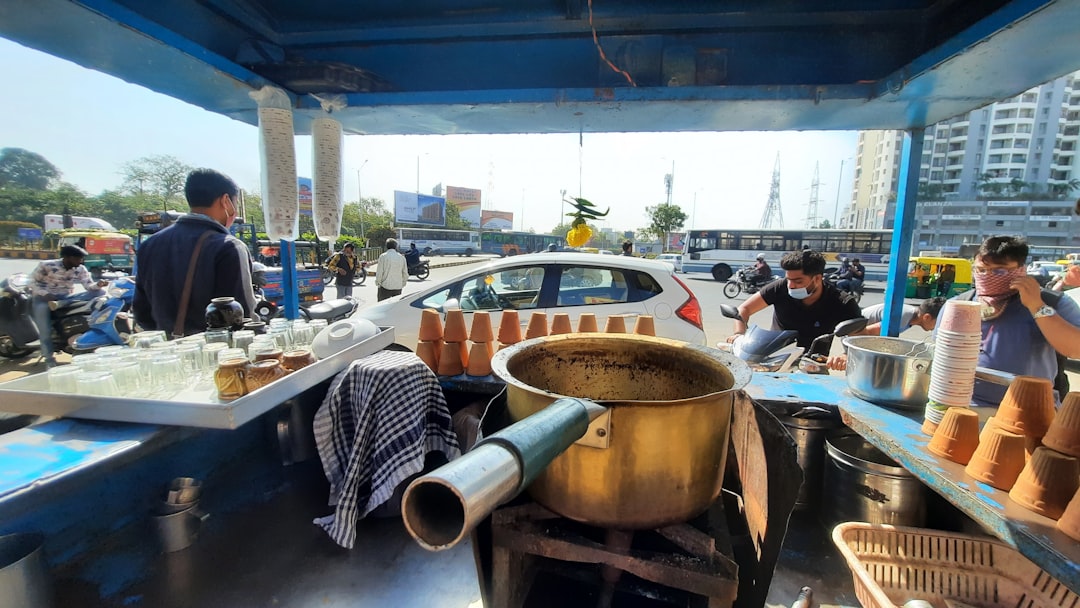
Masala chai is one of the most consumed warm spiced drinks on the planet. It is known as the Indian spiced tea, inherited from the south, and it is now popular throughout India and in many Asian countries. The traditional version uses a mixture of spices and aromatic herbs, including cardamom, clove, pepper, star anise, ginger, and cinnamon. Each spice carries a purpose. Ginger and black pepper warm the body from the inside. Cardamom clears the senses.
The drink gains deeper meaning as temperatures drop. Street vendors, known as chai wallahs, brew enormous pots in copper vessels every morning. The smell of cinnamon and ginger in the air is a seasonal signal, a mark that the heat of summer is giving way to something slower and more inward. Consumers globally seek to hold onto the flavors of their culinary heritage in an authentic way, and manufacturers can connect consumers with their cultural roots through local ingredients and familiar flavors prepared in traditional ways.

Atole from Mexico and Central America: corn and cinnamon in a cup
Atole is a thick, warm drink made from masa (ground corn), water or milk, sugar, and cinnamon. It has roots in pre-Columbian Mesoamerica, where corn was not simply a crop but a sacred material. Today, families across Mexico and Guatemala prepare atole as the cool mornings of October arrive. The drink signals the beginning of the festive season, including preparations for Día de Muertos.
Chocolate atole, known as champurrado, adds cacao to the base. Both versions use cinnamon as the primary warm spice. The flavor is earthy, sweet, and deeply comforting. As a food writer passionate about Latin American culinary tradition, I find it remarkable that this drink connects a modern kitchen in Mexico City directly to an ancient Aztec practice. The recipe has changed very little. That continuity is extraordinary.
Glühwein from Germany and Austria: wine and cloves at the market
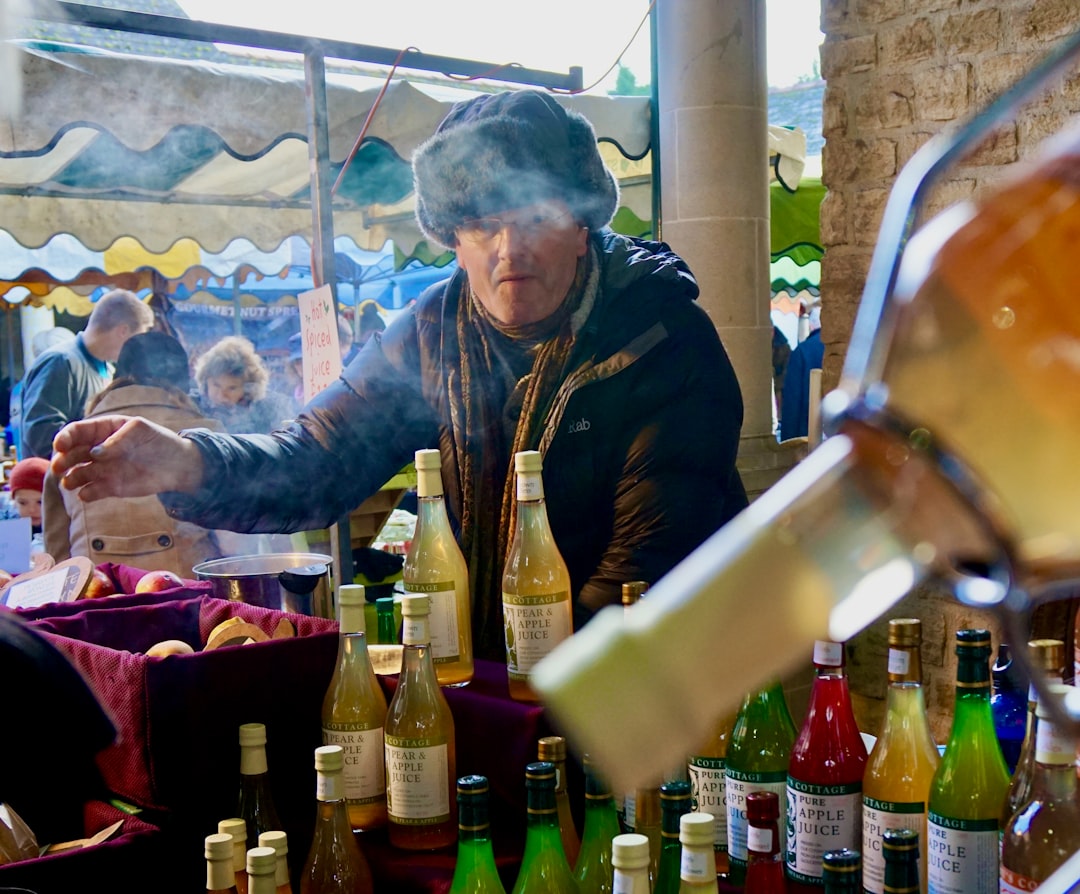
In Europe, particularly in Germany and Scandinavia, mulled wine, or Glühwein, warms hearts during the holiday season and is an integral part of celebrations with friends and family. The drink begins to appear at outdoor markets in late September. It uses red wine, cinnamon sticks, cloves, orange peel, and star anise, all simmered together and served hot in ceramic cups.

The concept of a spiced wine has been around for centuries, first made for medicinal purposes in ancient Egypt and later as a drink to ward off winter illness in Rome, where the recipe was first recorded in the Apicius during the first century. The tradition traveled across Europe through trade and cultural exchange. The spread of mulling spices from the Muslim-ruled Iberian Peninsula to the rest of Europe, including Germany, was facilitated by trade, cultural exchange, and historical events.
Today, Glühwein remains a communal act. You do not drink it alone. You hold the cup with both hands, stand beside strangers, and feel the warmth pass through the ceramic into your palms. That ritual matters as much as the drink itself.
Expert perspective on spiced drinks and cultural identity
Warm spiced drinks are not simply a comfort category. They are one of the most reliable expressions of living culture we have. When a recipe survives for centuries with almost no change, it tells you something important: the combination of spices, heat, and ritual fulfills a human need that no trend can manufacture. What we are seeing in the global beverage market today is not the invention of spiced drinks but the rediscovery of them. Consumers in every region are moving away from artificial flavors and toward depth, origin, and meaning. A cup of atole made with masa and cinnamon, or a pot of Ethiopian spiced coffee prepared over charcoal, carries more cultural authority than any product launched in the last decade. That authority is exactly what people are seeking now.
Industry perspective, global beverage culture and culinary heritage professionals
Maghrebi mint tea from Morocco: ceremony in 3 glasses
Moroccan mint tea is not only a drink. It is a social institution. The base is green tea, steeped strong, then mixed with fresh spearmint and a generous amount of sugar. The server pours the tea from a height, creating a light foam on the surface of each glass. Moroccan mint tea is a sign of friendship and tradition and is a favorite for many because of its aroma and mildly sweet taste.
Warm spice enters through the addition of cinnamon or cardamom in colder months. In the Atlas Mountain regions, families add a pinch of cinnamon to the pot when the autumn air arrives. The act of preparing and serving tea is a form of hospitality with no shortcut. You cannot rush it. That slowness is the point.






Tej and spiced coffee from Ethiopia: the oldest café culture
Ethiopia holds a strong claim to the origin of coffee, and its traditional coffee ceremony is one of the most elaborate and meaningful drink rituals in the world. Green coffee beans are roasted, ground by hand, and brewed in a clay pot called a jebena. The coffee is served in 3 rounds, each with a different name and strength. Spices, particularly cinnamon and cardamom, are added to the brew.
Through its Intangible Cultural Heritage programme, UNESCO recognises living traditions, from music and food to seasonal rituals and, in some cases, drinks-related practices. Ethiopia’s coffee ceremony carries exactly this kind of weight. Alongside coffee, tej (a honey wine spiced with gesho, a bitter buckthorn herb) marks celebrations and seasonal transitions. Both drinks connect the person drinking to land, community, and time. Turmeric, ginger, cinnamon, black pepper, and clove are now appearing in immunity drinks, digestive teas, golden milk mixes, and wellness beverages globally. That global trend has ancient roots in Ethiopia and across the African continent.
Warm spiced drinks: a cup of belonging
Warm spiced drinks do more than warm the body. They mark time, honor ancestors, and gather people around a shared moment. From the chai wallahs of Mumbai to the atole vendors of Oaxaca, these 5 drinks prove that the urge to add cinnamon, ginger, or cloves to hot water is as human as language itself. As autumn arrives, seek out warm spiced drinks that carry a story. Brew them slowly. Serve them to someone you care about. The ritual is the point.
Discover more about warm spiced drinks
- UNESCO Intangible Cultural Heritage: Foodways and growing recognition
- Innova Market Insights: Top Beverages Trends and cultural heritage in drinks
- The Morning Advertiser: Drinks trends to watch, global flavours and nostalgia
[End of deliverables]
Editorial note for translators: All 5 drink names (masala chai, atole, champurrado, Glühwein, tej) are proper nouns and should be kept in the source language in all translated versions. “Día de Muertos” is a proper cultural term and should not be translated.