

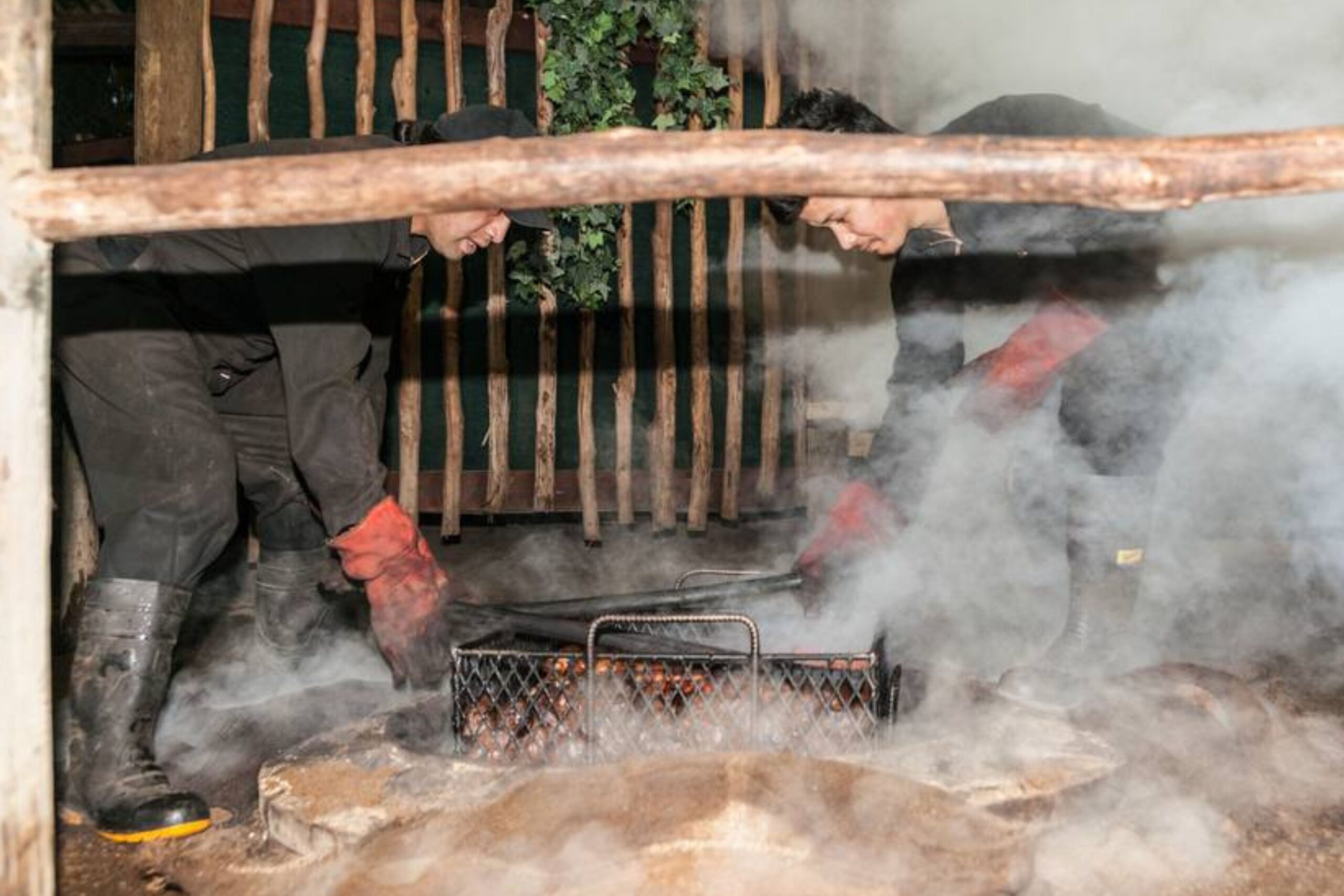
What Makes a Hangi Feast Special?
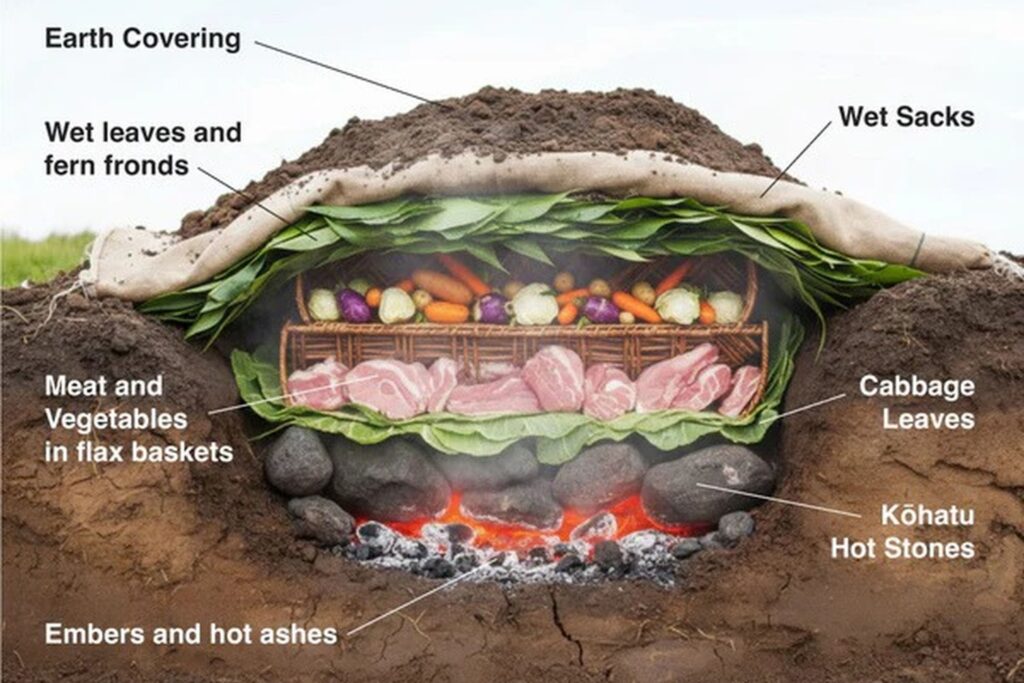
A hangi feast differs from standard cooking methods significantly. First, Maori communities dig a pit in the ground. Then, they heat volcanic rocks until glowing. Next, they layer food in baskets over these stones.
The process creates unique smoky flavors naturally. Additionally, the oven method retains moisture perfectly. Therefore, meats become incredibly tender while vegetables stay nutritious.

Furthermore, this traditional approach needs no electricity. Consequently, it connects modern New Zealand to ancient practices. The entire process typically takes three to four hours.
How Do You Prepare an Earth Oven?
Preparing a proper hangi feast requires careful planning. First, select a suitable outdoor location safely. The pit must be approximately one meter deep.
Next, gather volcanic rocks and firewood carefully. Heat the rocks for two hours minimum. Meanwhile, prepare your ingredients with traditional seasonings.

Wrap food in flax leaves or foil. Then, arrange baskets strategically over hot rocks. Finally, cover everything with wet cloth and soil.
Moreover, temperature control happens through earth layering. As a result, food cooks evenly throughout. This Maori technique has perfected timing over centuries.
Which Foods Work Best Underground?
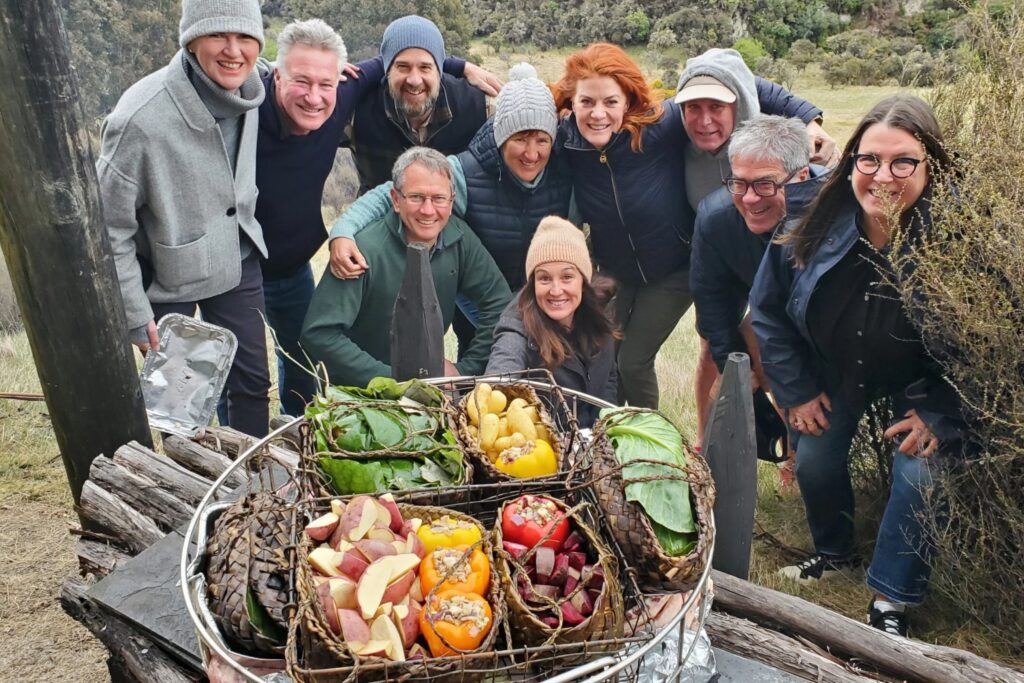
Traditional hangi feast menus feature specific ingredients. Lamb and pork work exceptionally well underground. Additionally, chicken becomes incredibly succulent using this method.






Vegetables include kumara, potatoes, and pumpkin. Furthermore, stuffing adds extra flavor to meats. Each ingredient benefits from the smoky environment.
For instance, kumara develops a caramelized sweetness naturally. On the other hand, meats absorb earthy undertones beautifully. Therefore, ingredient selection matters significantly for authentic results.
Modern adaptations sometimes include seafood varieties. However, traditional recipes focus on land-based proteins. Indeed, respecting these customs ensures cultural authenticity.


Truffle dinners in NYC this autumn
Truffle dinners transform New York City restaurants each autumn into something truly Italian in spirit: intimate, ingredient-led, and brief by...

Autumn equinox and how cooks rethink heat
The autumn equinox is not simply a date on a calendar. It is the moment when serious cooks across the...

Bread traditions and what they reveal
Bread traditions are among the oldest and most honest records of human civilization. From the grain a community grows to...

Gluten-free bakeries NYC: eat well
Gluten-free bakeries in New York City are no longer a compromise. From dedicated allergen-free kitchens in the West Village to...
Why Are Hangi Feasts Growing Globally?
International interest in hangi feast cooking continues rising. First, people seek authentic cultural experiences increasingly. Moreover, sustainable cooking methods attract environmentally conscious diners.
Restaurants in Australia and Pacific islands adopted variations. For example, Hawaiian imu cooking shares similar principles. Consequently, traditional Maori techniques influence global cuisine trends.
Furthermore, the communal aspect appeals to modern audiences. Indeed, preparing a hangi feast requires teamwork naturally. Therefore, it creates memorable bonding experiences beyond food.
Tourism in New Zealand heavily features these celebrations. As a result, visitors can participate in authentic ceremonies. This hands-on approach preserves cultural heritage effectively.

Key Benefits of Traditional Earth Ovens
- Unique smoky flavor impossible to replicate
- Energy-efficient cooking using natural resources
- Communal preparation strengthens social bonds
- Preserves indigenous cultural practices authentically
- Accommodates large gatherings economically










Did a hāngī at a friend’s place near Hamilton last summer and the part nobody warns you about is how stressful the timing feels. You commit four hours before anyone eats, no peeking, no adjusting. If the stones aren’t hot enough at the start you’re basically serving lukewarm kumara to twenty people. The reward when it does work is unreal though.
Tried doing a backyard version of this last summer in Oregon after watching a doc on it and learned the hard way that river stones from the wrong source will literally explode when they get hot enough. Almost lost an eye. Worth mentioning to anyone who reads this and thinks they can just dig a hole and wing it, the stone selection is not a detail you skip.