Fermentation is the thread that runs through every kitchen on earth, binding cultures separated by oceans and centuries through a single, elegant biological act: the transformation of raw ingredients into something more nourishing, more complex, and more enduring.
A process older than recorded history
Fermentation stands among the oldest forms of food preservation known to humanity. The earliest evidence traces back to around 7,000 BC in China, where people brewed fermented beverages. In Mesopotamia, bread and beer became staples through the same process. These were not accidents. They were careful, repeated observations passed between generations.
Indigenous fermented foods such as bread, cheese, and wine have been prepared and consumed for thousands of years and are strongly linked to culture and tradition. Knowledge about traditional fermentation technologies has been handed down from parent to child, for centuries. This transmission of craft is itself a form of preservation, as much as the technique it describes.

Fermentation is a remarkable biological method: microorganisms such as bacteria and yeast convert natural sugars and starches in food into acids, alcohols, or gases under anaerobic conditions. The result is a stable product that resists spoilage without refrigeration, without additives, and without industrial infrastructure.
Why every continent arrived at the same answer
No single civilisation invented fermentation. Every inhabited continent developed its own tradition, shaped by local ingredients, climate, and necessity. Different regions had different base ingredients, such as milk from cow, goat, or mare, soybeans, grains, cabbages, root vegetables, fish, and tea, and their availability shaped what got fermented.
From the sourdough-like injera in Ethiopia to the lightly alcoholic kvass in Russia, fermented foods are an integral part of diets, showcasing the universal importance of this time-honoured process. In South America, chicha, a fermented corn-based drink, has been brewed for centuries by indigenous communities in Peru. Each of these products is an answer to the same question: how do we keep food safe and nourishing when conditions are difficult?

Today, more than 5,000 different fermented foods are consumed worldwide, and many of them are ethnic products made in a particular region. That figure is not merely a statistic. It is a measure of human ingenuity distributed across the entire world.
The science behind the craft
A classical cook understands that precision and patience produce results that speed cannot replicate. Fermentation proves this principle at a microbial level. Fermentation uses beneficial microorganisms to produce acid or alcohol, creating an environment that harmful pathogens cannot survive in. In pickling, bacteria produce lactic acid that acts as a preservative.
Fermentation is not just about preserving food. It also enhances flavours, improves digestibility, and increases nutritional value. The process allows beneficial bacteria and yeasts to break down complex compounds, creating unique textures and tastes while promoting gut health.
From dairy in pastoral societies to grains, legumes, vegetables, and tubers in hunter-gatherer and agrarian communities, fermentation has become a global technique to increase shelf life, improve digestibility, lower toxins, and even add vitamins and nutrients to food. The chef and the scientist, it turns out, have always been working toward the same outcome.
An expert perspective on fermentation
Fermentation represents one of the most democratic food technologies ever developed by humanity. It asks for no electricity, no cold chain, and no specialist equipment. Yet it produces some of the most complex and nutritionally rich foods on earth. What strikes food and culture researchers most is how communities separated by continents and centuries arrived at nearly identical conclusions: that controlled microbial activity makes food safer, more digestible, and more flavourful. This convergence is not coincidence. It reflects a deep, shared human intelligence about the natural world. As interest in gut health and traditional diets grows globally, fermented foods are finally receiving the scientific and cultural recognition they have long deserved.
Industry perspective, food culture and culinary heritage researchers
Fermentation as living culture
Fermented products have been adapted over generations. Those that remain today have not only survived the test of time but are also appropriate to the technical, social, and economic conditions of the region. A wheel of comté aged in a French cave and a crock of kimchi buried beneath a Korean courtyard are separated by everything except this truth.





Fermentation is a relatively efficient, low-energy preservation process that increases shelf life and decreases the need for refrigeration or other forms of food preservation technology. It is therefore a highly appropriate technique for use in developing countries and remote areas where access to sophisticated equipment is limited. Craft and practicality are not opposites. In fermentation, they are the same thing.
Because of the tremendously important role indigenous fermented fruits and vegetables play in food preservation and their potential to contribute to the growing food needs of the world, it is essential that the knowledge of their production is not lost. This is a matter of cultural inheritance as much as food security.
Conclusion: why fermentation still matters
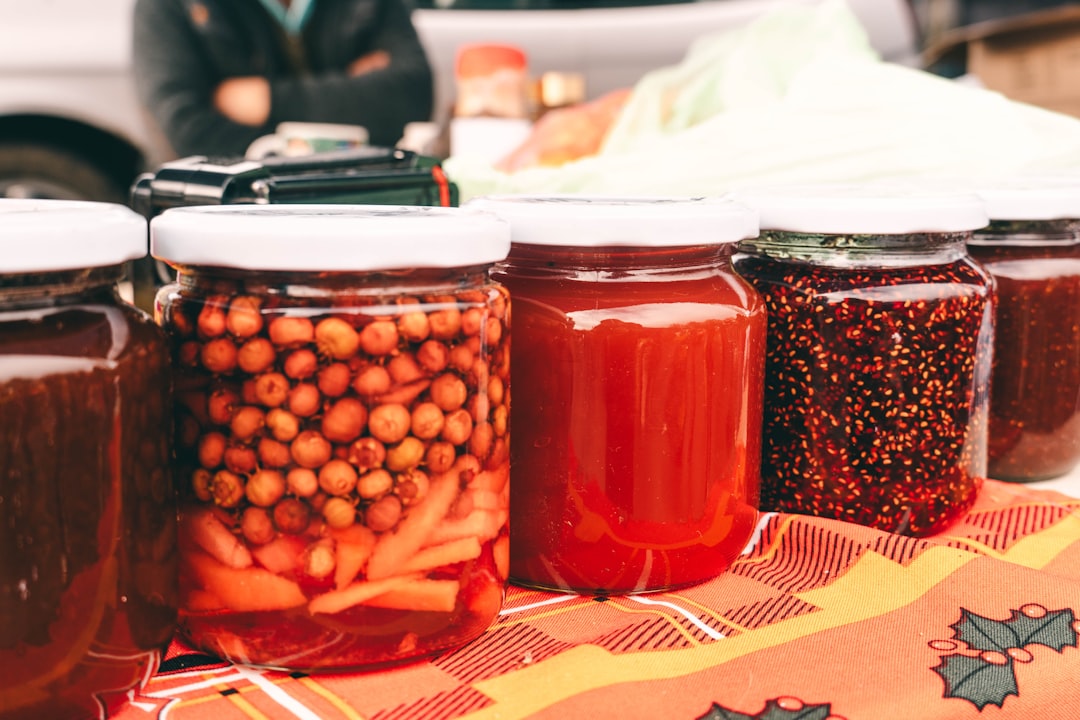
Fermentation is not a relic. The global fermented food market was valued at USD 134.8 billion in 2025, and it is expected to grow from USD 144.3 billion in 2026 to USD 262.9 billion in 2035. This growth reflects a worldwide return to the values that fermentation has always represented: patience, craft, and respect for natural processes. Fermentation connects us to every culture that has ever fed itself with intelligence and care. At GUSTOwebzine, we believe that understanding fermentation means understanding food itself. Explore the traditions, taste the results, and let the craft behind every jar, crock, and cellar remind you that the finest things on any table have always taken time.
Discover more about fermentation
- FAO Global Perspective on Fermented Fruits and Vegetables
- Global Market Insights: Fermented Food Market Size and Share Analysis
- Precision Fermentation in Food Technology: Six Predictions for the Industry