Drinking vinegars connect two worlds that Diego Reyes loves deeply: the ancient instinct to preserve what is precious and the modern Latin American bartender’s devotion to bold, layered flavor built from the simplest ingredients.
A tradition older than the cocktail menu
The word “shrub” comes from the Arabic word “sharab,” meaning “to drink,” and the same root gives us the words “sherbet” and “syrup.” That etymology alone tells you something important. The Middle Eastern connection runs deep: Iran may be the birthplace of the shrub, and medieval texts describe a beverage called sekanjabin, which mixed sugar, vinegar, and fresh mint with water. This is not a trend. This is a living tradition.
In the 17th and 18th centuries, vinegar was the primary method for preserving surplus fruit. By macerating fruit in sugar and vinegar, sailors and pioneers could create a concentrate that prevented scurvy and made brackish water palatable. The first American shrubs were made by taking fruit, fermenting it with sugar, and then adding vinegar and other spices. The colonists called the mixtures “drinking vinegars,” and they were extremely popular before refrigeration was common as a way to preserve fruit.

Today, this same logic applies to Latin American kitchens and bars. Bartenders in Mexico City, Lima, and Buenos Aires now build drinking vinegars from tropical stone fruit, guava, and tamarind. They understand, as their ancestors did, that fermentation and acidity are the soul of bold flavor.
What drinking vinegars actually do to a drink
A shrub is a concentrated syrup made from fruit, sugar, and vinegar. You mix it with soda water, spirits, or both to create drinks that are tart, sweet, and impossibly refreshing. Vinegar does something different than citrus. When you add lemon or lime to a cocktail, you get a sharp, forward hit of acid that fades quickly. Vinegar acidity builds more gradually and lingers.
The preservation properties matter too. Fresh citrus oxidizes and loses punch within hours. A properly made shrub syrup keeps for months in the refrigerator, getting more complex over time as the flavors marry. That quality transforms drinking vinegars from a seasonal treat into a year-round kitchen asset. Drinking vinegars were a major hit in colonial America, and now they are experiencing a resurgence among modern mixologists thanks to their fruity, spicy, and puckering flavor profiles.

Today, shrubs are used by elite mixologists and health enthusiasts as a sophisticated, low-sugar alternative to commercial soft drinks. Cocktail shrubs also have several other attractive qualities: they are a healthier alternative to premade mixers, as they are made with natural ingredients and have an amazing shelf life.
2 methods for making drinking vinegars at home
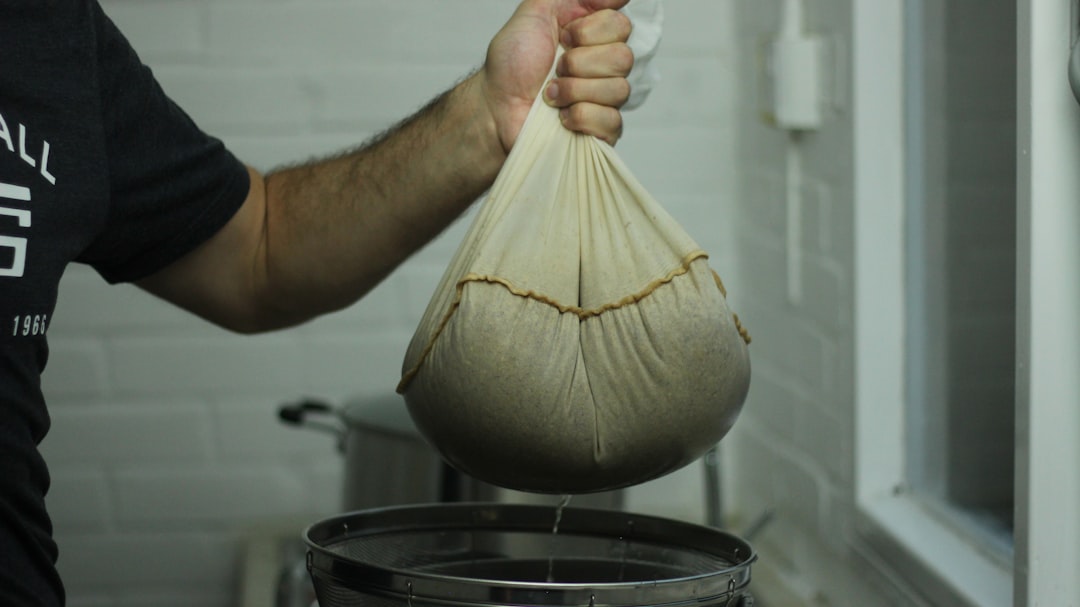
You can make a shrub 2 ways: the hot way, which means fresh fruit simmered in simple syrup, and the cold way, which means fresh fruit tossed with sugar and left to sit for a few days. Each method produces a different character. The cold method takes a few days but is easier on the fruit, and some say it yields a better flavor. The hot method is faster, but you sacrifice some of the brightness of the fruit flavor.
For the cold method, within an hour of combining fruit with sugar, the sugar pulls juice out of every berry through osmosis, the same physical force that salt uses in vegetable fermentation. Add an equal volume of apple cider vinegar 24 hours later, and you have a fruit shrub: a concentrated drinking vinegar that drops the pH below 3.5, captures the fresh berry aroma in a shelf-stable form, and produces a depth of flavor that no fresh juice or commercial syrup can replicate.
Apple cider vinegar is the most commonly used base vinegar for shrubs. Balsamic vinegar, red wine vinegar, and sherry vinegar are also popular choices, especially when using complementary fresh fruits like blackberries, blueberries, apricots, raspberries, or ripe cherries. For a Latin American angle, try raw cane sugar with mango, tamarind, or passionfruit and a red wine vinegar base. The acidity and fruit character are extraordinary.





Expert perspective on drinking vinegars
Drinking vinegars sit at a fascinating intersection of preservation science and sensory craft. When you macerate peak-season fruit in sugar and vinegar, you capture aromatic compounds that would otherwise oxidize and disappear within days. The acidity from vinegar is chemically distinct from citrus acid: it interacts with spirits and soda water differently, creating a rounder, more persistent flavor on the palate. This is why shrubs work so well in low-alcohol and zero-proof cocktails, where you need strong, sustained flavor without relying on alcohol to carry it. For anyone serious about home mixology or fermentation, drinking vinegars are one of the most efficient tools available. 1 batch made in summer can anchor your cocktail program for the rest of the year.
Industry perspective, craft mixology and fermentation professionals
Spices, storage, and smart ratios
When developing your own flavor combinations, keep in mind that dried herbs and spices work best for drinking vinegars, instead of fresh ones, which can lose their potency and give off a muddy flavor. The possibilities for spices are wide: cardamom, cinnamon sticks, and even whole peppercorns can bring complexity to a shrub. In Latin American tradition, dried chili, epazote, and piloncillo open completely new flavor dimensions.
At its core, a shrub is a mixture of equal parts fruit, sugar, and vinegar. That 1:1:1 ratio is your starting point. From there, you adjust for the natural sugar content of your fruit. Strain the mixture into a measuring cup, discard the fruit, then combine the syrup with approximately an equal amount of vinegar, tasting as you go so that you get a shrub that is just sharp enough for you.
Shrubs are a healthier alternative to premade mixers, as they are made with natural ingredients. You can store them unrefrigerated and unopened for 18 to 24 months, or 9 to 12 months once opened and refrigerated. For longer storage, some people freeze shrubs in ice cube trays, then transfer the cubes to freezer bags.
How to use drinking vinegars in cocktails and beyond
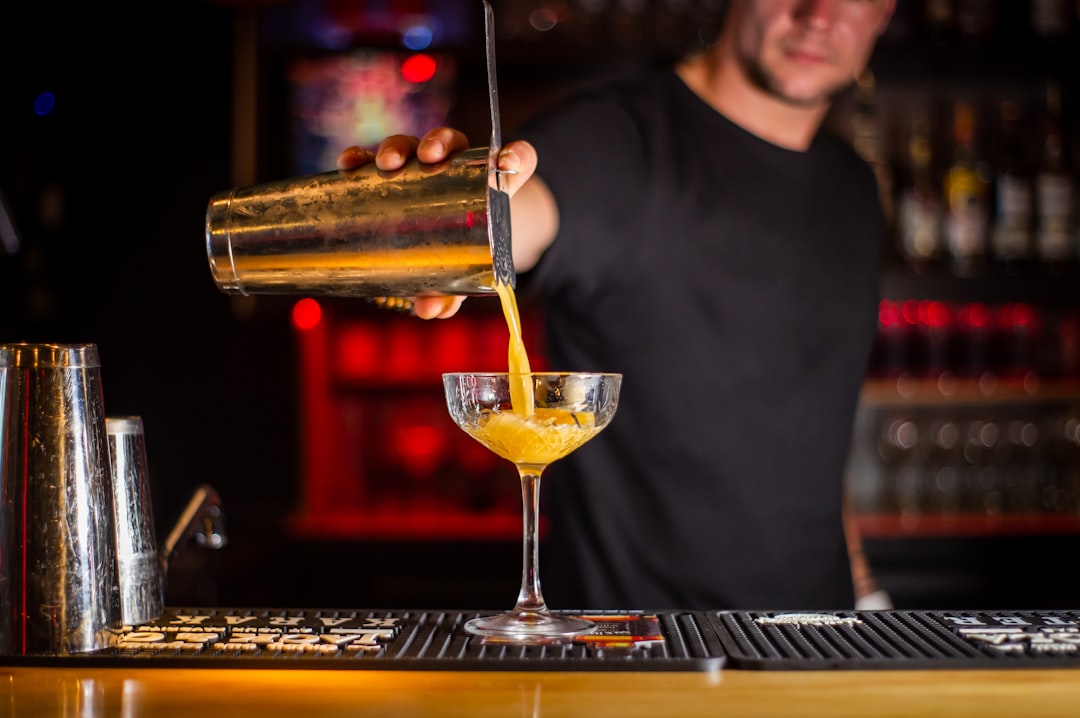
For cocktails, try 1 ounce of shrub with 1.5 to 2 ounces of spirit and a splash of soda. Use shrubs to add a punchy, tart component to classic cocktails like a gin and tonic or a dry martini. A tamarind drinking vinegar pairs beautifully with mezcal and sparkling water for a modern Mexican cocktail that honors both tradition and innovation.
A shrub is a non-alcoholic syrup made from fruit, herbs, spices, and sugar steeped in a vinegar base, for use as a mixer in a variety of cocktails and non-alcoholic drinks. You can add a few ounces of shrub syrup to your seltzer, tonic, or club soda to create a flavor-packed mocktail. One bartender’s cocktail menu features a South American twist on a mojito that includes a chimichurri shrub of pureed parsley, mint, and cilantro, simple syrup, and red wine vinegar, a traditional ingredient in chimichurri sauce.
In the same way that vinegar preserves fresh pickled vegetables, it preserves just-picked fruit months later. By macerating or cooking vinegar with sugar and fresh stone fruit, berries, or melons, you incorporate acidity and sweetness in the shaker. Shrubs last far longer than fresh fruit, so you can mix garden-to-glass cocktails all year long.
Bring your best summer fruit forward
Drinking vinegars give you power over time. You preserve what is at its peak and carry that peak forward into cold months when fresh fruit is gone. That is the same logic that has guided Latin American kitchens from ancient fermentation traditions to the modern cocktail bar. Make your first batch of drinking vinegars this season with the ripest fruit you can find. Taste as you go, trust the ratio, and watch how drinking vinegars transform your approach to mixing drinks all year long. Start with 1 jar. You will not stop there.