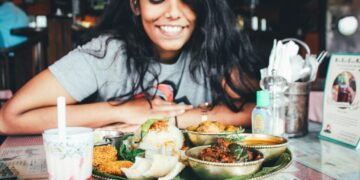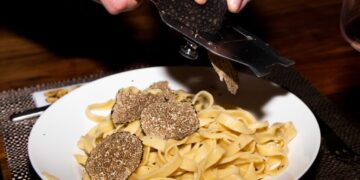
Gluten-free eating at Singapore’s August community feasts is entirely possible once you know where the hidden risks sit and how to navigate a table full of national favourites.
Why August buffets are tricky for gluten-free diners
As Singapore turns 61 on 9 August 2026, the festivities spread across the island, from heritage brunches to nostalgic desserts and neighbourhood celebrations. Every community club, hotel, and hawker-inspired restaurant puts out a spread of local favourites. For most diners, this is pure joy. For gluten-free diners, it requires a different kind of attention.

Hawker-style environments present a particular challenge: small kitchens, fast-paced cooking, lower awareness of gluten, and a high concentration of gluten ingredients including soy sauce, oyster sauce, wheat flour, and Maggi seasoning. Many of these same ingredients travel directly into hotel buffet versions of the same dishes. The fact that a dish looks familiar does not mean it is safe.
Cross-contamination risk is high even when a particular dish does not appear to contain gluten, because a stall or kitchen often prepares other dishes containing soy or wheat, and utensils such as chopping boards, knives, and woks are shared. At a busy National Day buffet, the pace is high and the staff turnover at serving stations is constant. You must ask, every time.
The biggest gluten risks on a National Day spread
Singapore’s most celebrated dishes carry gluten in ways that surprise even experienced gluten-free diners. Hainanese chicken rice looks safe. The rice usually is. The chilli sauce and the ginger paste, however, often contain wheat-based ingredients. Char kway teow uses flat rice noodles, which are naturally gluten-free, but the dish is almost always cooked with dark soy sauce containing wheat.

Gluten appears in bread, cakes, crackers, and certain condiments including soy sauces, Asian marinades, and barbecue sauces. At a National Day buffet, this means chilli crab sauce, satay peanut gravy, laksa paste, and nasi lemak sambal all carry potential risk. Even chicken satay, which seems like a safe protein choice, can include a peanut sauce that is not gluten-free.
Mantou, the soft steamed buns served with chilli crab, contain wheat. Any pasta-based fusion dish, such as the laksa mac and cheese or chilli crab pasta that appear on several SG61 menus, is off the list entirely. Dessert stations also require care. Many local sweets use glutinous rice flour, which is gluten-free, but some use wheat flour for structure or coating.
What you can eat safely at most August feasts
The good news is that a well-planned plate at a National Day buffet can be genuinely satisfying. Plain steamed white rice is your most reliable base. Plain white rice, cooked in bulk at most venues, carries a low risk of cross-contact. Build your plate from there.
Whole grilled or steamed seafood without sauce is a strong choice at hotel buffets. Grilled tiger prawns, kombu-cured proteins, and slow-cooked meats prepared without wheat-based marinades are the kind of items to look for and ask about specifically. Plain poached chicken, without the accompanying sauces, is generally safe. Fresh fruit, plain salad greens without dressing, and steamed vegetables with no added sauce round out a safe and colourful plate.
At community feasts and void deck gatherings, the options are fewer and the kitchen information is harder to access. In those settings, bring a small container of gluten-free tamari. When available, you can ask for gluten-free soy sauce or gluten-free tamari as a replacement, though you should always double-check labels as some tamaris still contain added gluten. This single addition transforms plain rice and plain protein into a proper meal.

Expert perspective on navigating Singapore’s food scene with dietary needs
Singapore’s food culture is built on generosity and sharing, which makes it one of the most welcoming places to eat, but also one of the most complex to navigate with a specific dietary requirement. Sauces are often prepared in large batches, and the people serving at buffet stations frequently do not know what goes into each one. The safest approach is always to speak directly to a chef, not a service staff member, and to ask about the sauce base of every dish, not just the main ingredient. Rice-based dishes are your strongest starting point, but even these need a question about the cooking water and the serving utensils. Community feasts are high-risk because there is no central kitchen team to speak with, so those with coeliac disease or severe intolerance should eat before attending and treat the event as a social occasion rather than a meal.
Industry perspective, food allergy and dietary needs professionals in Singapore
How Singapore’s new labelling rules help you shop smart
The Singapore Food Agency released a new Food (Amendment) Regulations 2025, which took effect on 30 January 2026. One of the most notable changes is the introduction of specific regulatory requirements for foods labelled and sold as gluten-free, with clear definitions and criteria for terms such as gluten, gluten-free food, naturally gluten-free food, and reduced gluten food.
This matters to you directly when you shop for items to bring to a community feast or to use as safe additions to a buffet plate. A package of food must not carry the words gluten-free, naturally gluten-free, or reduced gluten unless it fully meets the relevant criteria. Gluten-free food must not exceed 20mg/kg of gluten by weight, while reduced gluten food may contain a qualifying cereal but must be processed to bring it below 100mg/kg.
Singapore is more aware of allergies than many other countries in Asia, partly due to its diversity and unique history. However, you should not automatically expect the average grocery or restaurant employee to be aware of coeliac-safe food preparation and handling, or in many cases, to know what gluten is. The new labelling rules make packaged food safer, but prepared food at a buffet or feast remains a conversation you must have yourself.






Conclusion: enjoy the feast, protect your health
Gluten-free dining at Singapore’s National Day celebrations is not about missing out. It is about arriving prepared. Identify the plain rice and plain proteins first. Ask a chef, not a server, about every sauce. Skip the mantou, the fusion pasta dishes, and any condiment you cannot trace. Thoroughly research each venue’s coeliac awareness and cross-contact prevention before eating anywhere new. The gluten-free community in Singapore is active and well-informed, and online groups offer current, venue-specific advice. This August, celebrate every moment of SG61. Eat gluten-free, eat well, and eat with confidence.
Discover more about gluten-free
- Singapore Food Agency: Food Allergy and Intolerance
- Singapore Food Agency: New Gluten-Free Labelling Regulations 2025
- Celiac by the Bay: Gluten-Free Singapore Destination Guide
Originally published on SINGAPOREwebzine.