CONTACT
  • Login
Upgrade
GUSTOwebzine
Advertisement
  • Home
    • Our Authors
    • Subscribe for Free
    • Media Kit
    • Contact
    • Terms and Conditions
    • Cookie Policy
  • Discoveries
    • Chefs
  • Culinary Culture
  • Food & Drinks
  • Cooking Tips
    • Recipes
  • GUSTO Global
  • Insights
  • GUSTO Guide
    • Hotels Worldwide
    • Nightlife Worlwide
    • Restaurants Worldwide
    • Services Worldwide
  • Home
    • Our Authors
    • Subscribe for Free
    • Media Kit
    • Contact
    • Terms and Conditions
    • Cookie Policy
  • Discoveries
    • Chefs
  • Culinary Culture
  • Food & Drinks
  • Cooking Tips
    • Recipes
  • GUSTO Global
  • Insights
  • GUSTO Guide
    • Hotels Worldwide
    • Nightlife Worlwide
    • Restaurants Worldwide
    • Services Worldwide
No Result
View All Result
GUSTOwebzine
No Result
View All Result
Home Home Cooking Tips

Cast iron seasoning: the complete guide

Master cast iron seasoning and keep your pan performing beautifully for generations.

A woman applies a thin layer of oil to a cast iron pan during the cast iron seasoning process in a home kitchen.

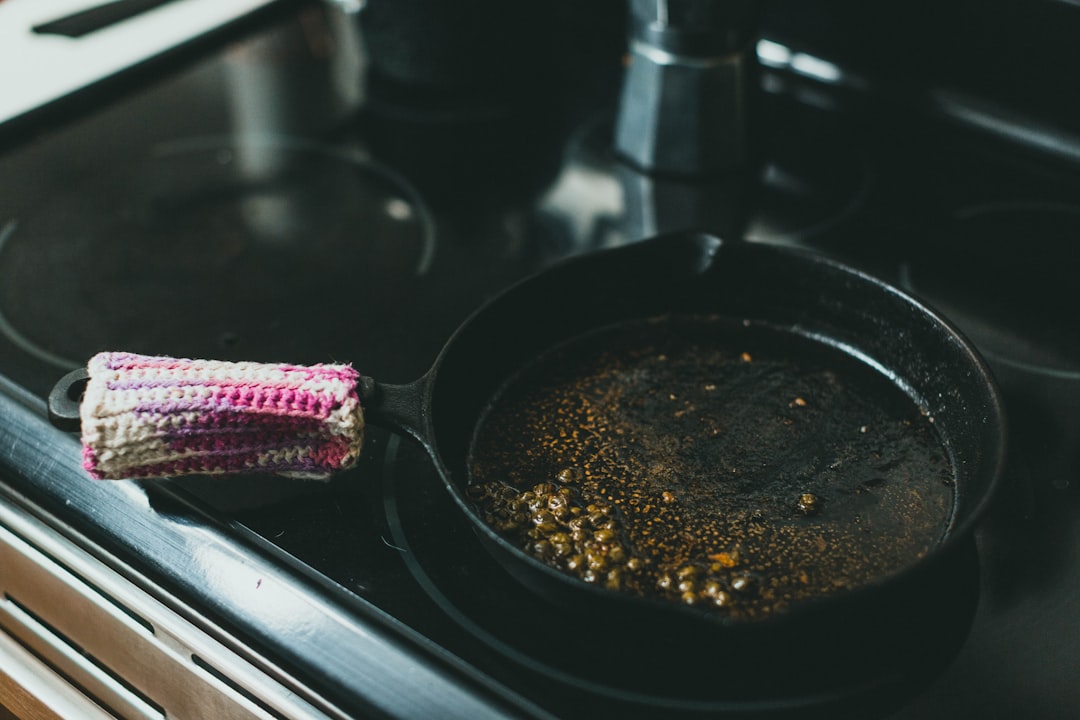
Cast iron cookware connects kitchens across every culture, and one simple process keeps it at its best: cast iron seasoning, the technique that turns raw metal into a natural, non-stick cooking surface that improves every time you cook.

What cast iron seasoning actually is

Cast iron seasoning is not a spice or a flavor. It is a protective layer that forms when oil bonds to the surface of the pan. Seasoning is oil baked onto the pan through a process called polymerization. When oils or fats are heated in cast iron at a high enough temperature, they change from a wet liquid into a slick, hardened surface. This reaction creates a layer that is molecularly bonded to the iron.

This layer of oil gives cast iron cookware a natural, easy-release finish that gets better with every use. The more you cook with fat, the stronger the surface becomes. A pan that has been used regularly for years is significantly more non-stick than a brand-new one.

GUSTO guide worldwide restaurants, hotels, nightlife, professional services GUSTO guide worldwide restaurants, hotels, nightlife, professional services GUSTO guide worldwide restaurants, hotels, nightlife, professional services

Seasoning refers to the hard, practically non-stick surface coating your cast iron pan. Most cast iron pans today come pre-seasoned, meaning they are ready for cooking as soon as you take them out of the box. However, even a pre-seasoned pan benefits from additional seasoning over time.

How to season a cast iron pan step by step

The process is straightforward. Start with a clean, dry pan. Add oil to the interior of the pan and spread it to all parts using a paper towel. You want a thin layer of oil spread evenly across the pan, so remove any excess oil.

Use a neutral oil with a high smoke point, such as vegetable oil or canola oil. After a thin layer of oil is applied, place the pan upside down in a preheated oven at around 450 degrees Fahrenheit for 1 hour. Place the pan upside down to avoid having oil pool together in the interior.

Place a sheet of aluminum foil or a baking pan at the bottom of the oven to catch any oil drippings. After 1 hour, remove the pan safely and let it cool. Repeat this process 3 to 6 times to build a strong base. Good seasoning is made from many thin layers.

The right oil makes a big difference

Oil choice matters more than most people realize. Oils with a high smoke point and relatively low polyunsaturated fat content work best. Flaxseed oil is often cited as ideal because it polymerizes quickly, but it can flake on older seasoning. Vegetable oil, grapeseed oil, and shortening are all reliable and widely used. Avoid olive oil because its low smoke point means it burns before it polymerizes properly.

One common mistake is applying too much oil at once. Using too much will cause your pan to become sticky. Always wipe away excess oil so the surface looks almost dry before you heat the pan. This one step prevents most seasoning problems.


A chef carefully wipes and dries a cast iron pan on a stovetop to maintain its cast iron seasoning after cooking.

Expert perspective on cast iron care

Cast iron is one of the most misunderstood tools in the kitchen, yet it rewards cooks who take the time to understand it. The seasoning process is not a one-time event. It is a continuous relationship between the cook, the fat, and the metal. Every time you cook with oil or butter, you add another microscopic layer to the surface. Over months and years, those layers interlock and create something that no synthetic non-stick coating can match. The key insight is simplicity: use the pan regularly, dry it completely after washing, and apply a thin coat of oil before storage. That routine alone will maintain a cast iron pan in excellent condition for a lifetime, and likely beyond.

Industry perspective, professional cookware and culinary equipment sector

-

A chef demonstrating knife skills while slicing fresh summer tomatoes on a wooden cutting board

Knife skills for summer produce prep

13/07/2026
A chef holds tongs over an open flame while charring summer peppers on a gas stovetop in a professional kitchen.

Summer peppers: char, peel, and use them

08/07/2026
A woman carefully assembling a cold noodle bowl with fresh vegetables and sesame dressing on a bright kitchen counter

Cold noodle bowl for hot summer days

03/07/2026
A woman scooping a bowl of homemade ice cream from a metal loaf pan in a bright kitchen

Homemade ice cream without a machine

28/06/2026
A woman carefully arranging ripe stone fruit at a summer farmers market, selecting the best peaches and plums for storage

Stone fruit storage tips for summer

18/06/2026
A chef carefully monitoring grill vegetables over high heat to achieve a smoky, charred finish

Grill vegetables for smoky, charred flavor

12/06/2026

How to clean and maintain cast iron after every use

Daily maintenance is simple. Wipe the interior surface of the still-warm pan with paper towels to remove any excess food and oil. Rinse under hot running water, scrubbing with a non-metal brush or non-abrasive scrub pad to remove any traces of food.

Dry the pan thoroughly, then heat it over medium-low heat until all traces of moisture have evaporated. Add a small amount of oil and use paper towels to lightly coat the interior surface. Continue to wipe until it looks dark and smooth and no oil residue remains.

Cast iron should always be washed by hand. A dishwasher will remove the seasoning and will likely cause rust. Never leave the pan to soak in water. Drying the pan on the stove over low heat is the most reliable method.

A person sears a steak in a well-seasoned cast iron pan, showing the results of proper cast iron seasoning and maintenance.

How to rescue a rusty pan

Rust is not the end. Rust only affects the surface and does not damage the iron itself. Once re-seasoned, the pan is fully restored.

Reach for a steel wool scrubber. Scrub the pan in warm, soapy water, focusing on areas with rust. Rinse and dry completely. Then apply a thin coat of oil and place the pan upside down in an oven at 450 to 500 degrees Fahrenheit for 1 hour. Repeat 2 to 3 times.

Recipes that call for acidic ingredients such as tomato sauce or lemon juice are not the best choice for new cast iron because they can break down seasoning. After you build up your seasoning, you can introduce acidic ingredients with cook times under 45 minutes. This rule protects your work and keeps the surface strong.

Cast iron seasoning: the key to a pan that lasts forever

Cast iron seasoning is the one skill that determines how well your pan performs for years to come. Cast iron is built to last a lifetime, and the seasoning on your cookware will naturally change over time. The more you cook, the stronger that seasoning gets. Season the pan before first use, oil it lightly after every wash, and store it in a dry place. These 3 habits are all you need.

Every culture that uses cast iron, from American skillet cornbread to Japanese tetsubin cooking to West African one-pot stews, relies on a well-maintained pan. Cast iron seasoning connects all of these traditions. Start with clean metal, choose the right oil, apply thin layers, and use the pan often. Do this, and your cast iron will cook better tomorrow than it does today.

Discover more about cast iron

  • How to Season Cast Iron (Lodge Cast Iron)
  • Cast Iron Basics: How to Clean, Season, and Maintain Your Pan (University of Maine Cooperative Extension)
  • Cast Iron Cookware Market Report (Research and Markets)
author avatar
WEBZINE BOT
See Full Bio
Previous Post

Private wine cellars in Singapore: 6 top places

Next Post

Specialty food trends from the Summer Fancy Food Show

Related Posts

A chef demonstrating knife skills while slicing fresh summer tomatoes on a wooden cutting board
Home Cooking Tips

Knife skills for summer produce prep

13/07/2026
A chef holds tongs over an open flame while charring summer peppers on a gas stovetop in a professional kitchen.
Home Cooking Tips

Summer peppers: char, peel, and use them

08/07/2026
A woman carefully assembling a cold noodle bowl with fresh vegetables and sesame dressing on a bright kitchen counter
Home Cooking Tips

Cold noodle bowl for hot summer days

03/07/2026
A woman scooping a bowl of homemade ice cream from a metal loaf pan in a bright kitchen
Home Cooking Tips

Homemade ice cream without a machine

28/06/2026
A woman carefully arranging ripe stone fruit at a summer farmers market, selecting the best peaches and plums for storage
Home Cooking Tips

Stone fruit storage tips for summer

18/06/2026
Next Post
A food buyer tasting specialty food samples at a busy trade show booth in New York City

Specialty food trends from the Summer Fancy Food Show

Leave a Reply Cancel reply

Your email address will not be published. Required fields are marked *

Truelang AI Translations Truelang AI Translations Truelang AI Translations
No Result
View All Result

Our Focus

GUSTOwebzine is your international window on food culture: culinary lifestyle, trends, recipes and gastronomic stories for a global audience with a passion for exceptional taste.

Our Readers

GUSTOwebzine addresses readers who engage with food culture at a high level: as culinary professionals, passionate home cooks, food entrepreneurs, and tastemakers in their communities.

Our Approach

Recipes, trends, and dining culture are integrated as context and indicators of creativity, identity, and the social forces shaping how the world eats, not standalone content.

Recent Post

  • Rooftop dining in NYC worth booking now
  • Japanese food labels: hidden gluten guide

© 2026 GUSTOwebzine by NOOR & NOOR — part of WEBZINE.world.

Welcome Back!

Login to your account below

Forgotten Password?

Retrieve your password

Please enter your username or email address to reset your password.

Log In
Manage Consent
To provide the best experiences, we use technologies like cookies to store and/or access device information. Consenting to these technologies will allow us to process data such as browsing behavior or unique IDs on this site. Not consenting or withdrawing consent, may adversely affect certain features and functions.
Functional Always active
The technical storage or access is strictly necessary for the legitimate purpose of enabling the use of a specific service explicitly requested by the subscriber or user, or for the sole purpose of carrying out the transmission of a communication over an electronic communications network.
Preferences
The technical storage or access is necessary for the legitimate purpose of storing preferences that are not requested by the subscriber or user.
Statistics
The technical storage or access that is used exclusively for statistical purposes. The technical storage or access that is used exclusively for anonymous statistical purposes. Without a subpoena, voluntary compliance on the part of your Internet Service Provider, or additional records from a third party, information stored or retrieved for this purpose alone cannot usually be used to identify you.
Marketing
The technical storage or access is required to create user profiles to send advertising, or to track the user on a website or across several websites for similar marketing purposes.
  • Manage options
  • Manage services
  • Manage {vendor_count} vendors
  • Read more about these purposes
View preferences
  • {title}
  • {title}
  • {title}
No Result
View All Result
  • Home
    • Our Authors
    • Subscribe for Free
    • Media Kit
    • Contact
    • Terms and Conditions
    • Cookie Policy
  • Discoveries
    • Chefs
  • Culinary Culture
  • Food & Drinks
  • Cooking Tips
    • Recipes
  • GUSTO Global
  • Insights
  • GUSTO Guide
    • Hotels Worldwide
    • Nightlife Worlwide
    • Restaurants Worldwide
    • Services Worldwide

© 2026 GUSTOwebzine by NOOR & NOOR — part of WEBZINE.world.

Not enough quota to unlock this post
Unlock left : 0
Are you sure want to cancel subscription?
Verified by MonsterInsights
enEnglishdeDeutschesEspañolfrFrançaisitItalianoja日本語nlNederlandszh中文
No results