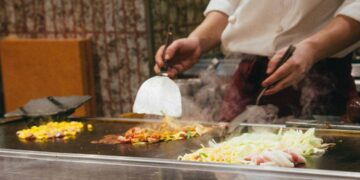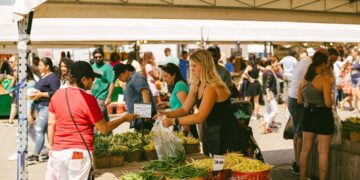
Autumn dishes occupy a precise and rewarding moment in the culinary year, when the market stall holds summer’s last warmth beside the first cool-weather harvest.
The logic of seasonal cooking
A good cook does not fight the season. Early autumn presents a short window where 2 very different pantries overlap. Sweet tomatoes and basil still appear beside celeriac, pears, and the first wild mushrooms.
The discipline is in reading that overlap correctly. You choose ingredients at their exact peak, and you apply technique that serves the produce rather than overshadows it. That restraint is the foundation of classical cooking.

Harvest cooking also rewards patience. Slow braises, gentle reductions, and carefully built stocks become natural again as the air cools and the day shortens.
1. Roasted butternut squash velouté with toasted hazelnut oil
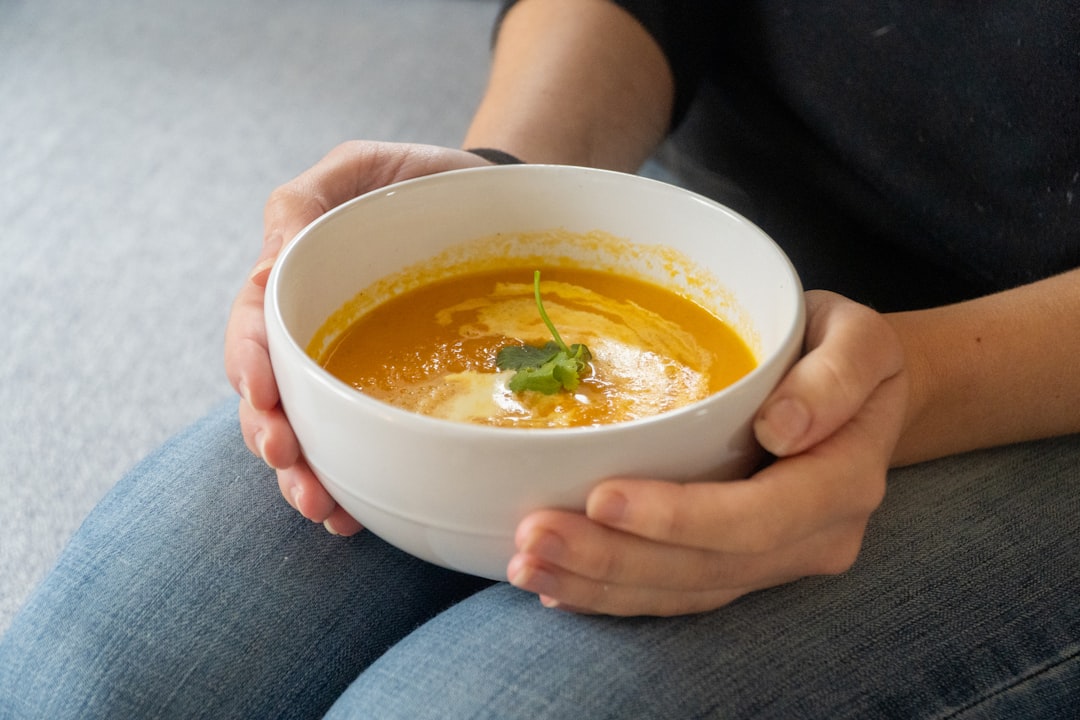
Begin here: a silky velouté that shows how a single seasonal vegetable can carry an entire dish. Roast the squash halves cut-side down at 200 °C until the flesh is deeply caramelized. Transfer to a heavy pot, add a small shallot, white wine, and good vegetable stock.
Blend until smooth, pass through a fine sieve, and finish with a small knob of cold butter. The result is a concentrated, velvety soup. Finish each bowl with a few drops of hazelnut oil and a scatter of lightly toasted hazelnuts for texture and contrast.

The technique here is the sieve. Passing the velouté twice removes every trace of fibre and delivers the refined texture that separates a restaurant bowl from a home pot.
2. Pan-roasted duck breast with quince and thyme jus
Duck breast and quince are natural partners at this time of year. Score the skin in a fine crosshatch pattern, season well, and place the breast skin-side down in a cold, dry pan. Render the fat slowly over medium heat for 10 minutes before turning.
While the breast rests, deglaze the pan with white wine and reduce by half. Add a small quantity of veal or chicken stock and 2 thin slices of raw quince. Simmer gently until the quince is just tender and the sauce coats a spoon. Finish with fresh thyme and a little cold butter.
Slice the duck at an angle and arrange over the sauce. This dish rewards precision: the resting time is as important as the cooking time.
3. Wild mushroom and leek tart with a butter pastry shell
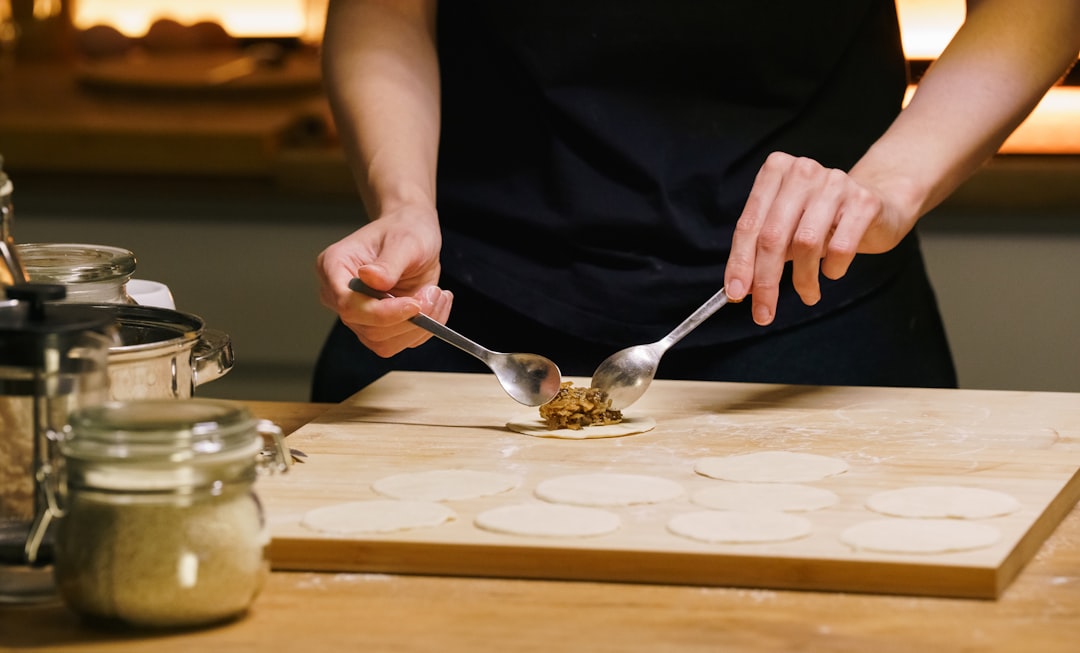
Autumn produce reaches its finest expression when layers of flavour build slowly in a single preparation. Make a short butter pastry, blind bake it until golden, and set it aside. In a wide pan, cook thinly sliced leeks in butter over low heat until they are completely soft and sweet.
Add a mixture of wild mushrooms: chanterelles, porcini, or oyster mushrooms work well. Cook over high heat to drive off all moisture before seasoning. Combine with a light cream and egg custard, pour into the pastry shell, and bake at 170 °C until just set.
The tart holds well and improves after 20 minutes of resting, when the custard firms and the flavours settle into balance.
Expert perspective on seasonal technique
Early autumn is the moment in the culinary calendar that rewards restraint above all else. Cooks who resist the temptation to add more achieve more. A roasted squash needs only good fat, salt, and correct heat to reveal its full depth. The transition from summer to harvest is not simply about ingredient change. It is a shift in technique: slower heat, longer cooking, greater respect for texture and density. Dishes built in this window carry both the brightness of summer and the weight of the coming cold, and that balance is what makes them so compelling at the table. The finest autumn cooking draws on classical fundamentals, applied with sensitivity to what the season actually offers.
Industry perspective, professional culinary arts and seasonal cooking educators





4. Slow-braised pork shoulder with apple and cider
This dish belongs firmly to harvest-season cooking. Sear a well-trimmed pork shoulder in a heavy casserole until deeply browned on all sides. Remove the meat, add diced onion and 1 sliced apple to the same pot, and cook until soft.
Return the pork, pour over dry cider and a small amount of chicken stock, and braise in the oven at 160 °C for 3 hours. The apple dissolves into the braising liquid and creates a natural sweetness that balances the richness of the pork. Skim the surface carefully before reducing the liquid to a sauce.
Serve with a simple celeriac puree. The earthiness of celeriac grounds the dish and connects it to the root-vegetable depth of the season.
5. Caramelised fig tart with mascarpone cream
Figs appear briefly at the start of autumn and require almost no intervention. Halve 8 ripe figs, press each cut side into fine caster sugar, and place sugar-side down in a hot ovenproof pan. Caramelize for 2 minutes, then transfer the pan to the oven at 190 °C for 6 minutes.

While the figs rest, whip cold mascarpone with a small quantity of honey and the zest of 1 lemon. The cream should be firm but light. Arrange the caramelized figs on a pre-baked pastry base and spoon the mascarpone alongside.
The skill here is in working quickly. Figs release liquid fast once cut, and a confident hand at the stove produces a more elegant result than a cautious one.
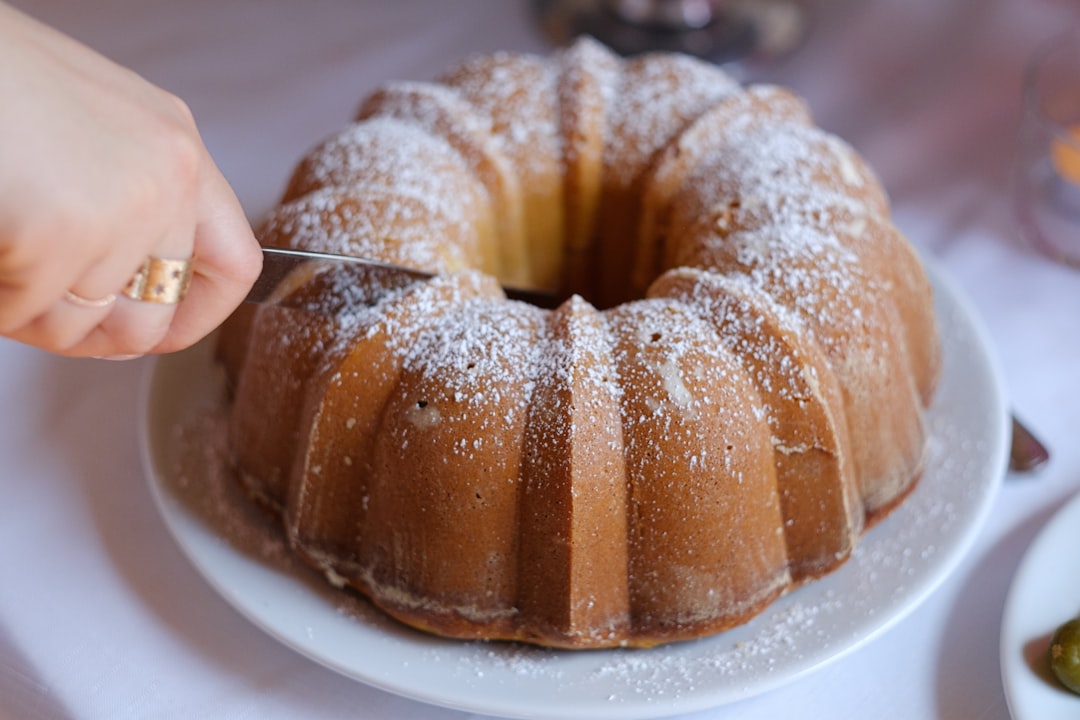
6. Spiced pear and walnut cake with brown butter glaze
Close the meal, or the week, with a cake that carries the architecture of harvest in every slice. Melt butter in a pan until it turns golden and smells of hazelnuts, then allow it to cool. Beat eggs with sugar until pale, add the brown butter, and fold in flour, ground cinnamon, ground ginger, and a small pinch of clove.
Fold in 2 peeled and diced ripe pears and a generous handful of roughly chopped walnuts. Bake at 175 °C in a lined tin for 35 to 40 minutes. For the glaze, warm a small quantity of honey with additional brown butter and brush over the warm cake.
This is a cake built on precision and patience. Each spice, each ingredient, connects back to the season and to the craft of cooking with intention.
Autumn dishes as a practice
These 6 autumn dishes do not simply mark a calendar change. They ask the cook to think differently: to value density over brightness, patience over speed, and technique over convenience. Seasonal produce at its peak does not need to be complicated. It needs to be understood.
Return to these autumn dishes as autumn deepens. The same techniques apply through October and into November, and the seasonal produce shifts with each week of cooler temperature. Begin at the market, choose what is best that day, and allow the season to set the direction of the meal. That is the discipline, and that is the pleasure.
Discover more about autumn dishes
- FAO Food Outlook: global food commodity production and seasonal supply
- Early Autumn Harvest Guide: what is in season and where it comes from
- Dinner ideas for autumn: 6 cozy seasonal recipes with technique guidance