A single pumpkin soup base, roasted and simmered once, can turn into six different finished soups within a week. Cooks often buy six separate recipes for the season instead of mastering one base and changing only the finish. Alain Passard enriches his version with just milk, butter and olive oil, skipping animal stock entirely, while Marc Veyrat tops his with a bacon cream and serves it inside small hollowed pumpkins at his restaurant. The difference between a forgettable bowl and a memorable one sits in that last step, not in the pot.
Build a pumpkin soup base like a French velouté
A pumpkin soup base follows the logic of a classical French velouté rather than a simple vegetable stew. A velouté sauce is made from a roux and a light stock, and Escoffier counted it among the five mother sauces of French cuisine in the early twentieth century. Applied to pumpkin, the same principle holds: a mild stock meets a dense purée, and a small amount of fat smooths out the texture.

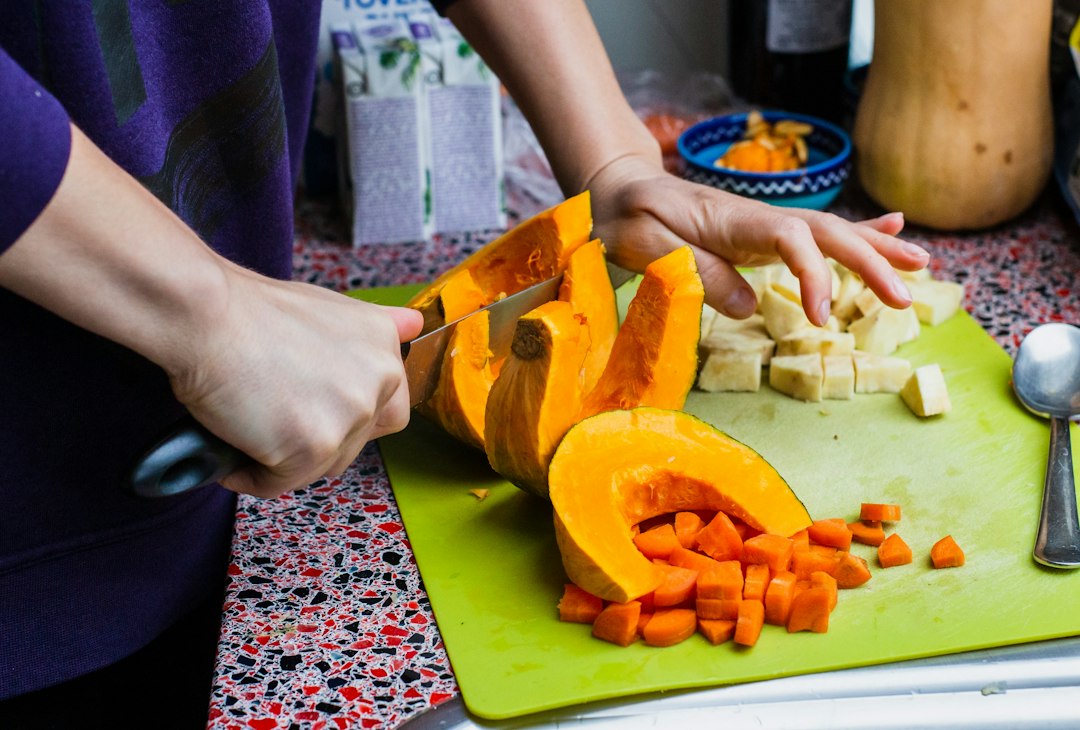
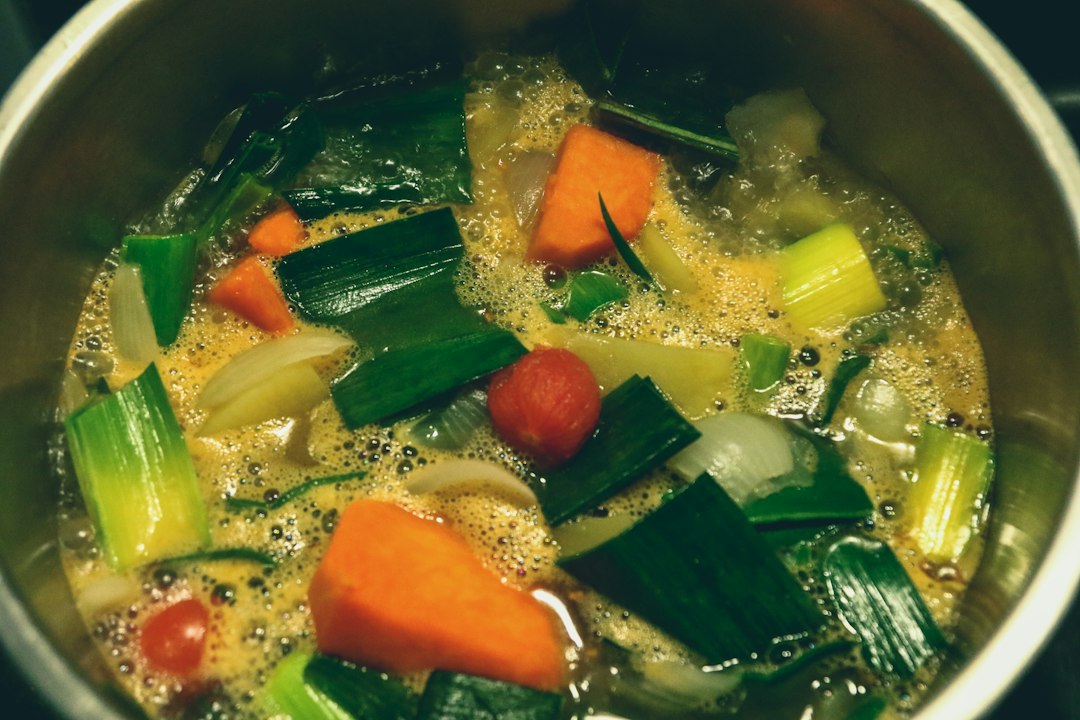
One widely tested version works from three to four pounds of pumpkin, a litre of water or stock, and four tablespoons of butter. The pumpkin boils for twenty five to thirty minutes, until it turns soft enough to mash. The cook then presses it through a strainer for a smooth purée before it meets cream or milk. That purée, salted and nothing more, is the base every other version in this article starts from.
Choose the squash that controls the flavor
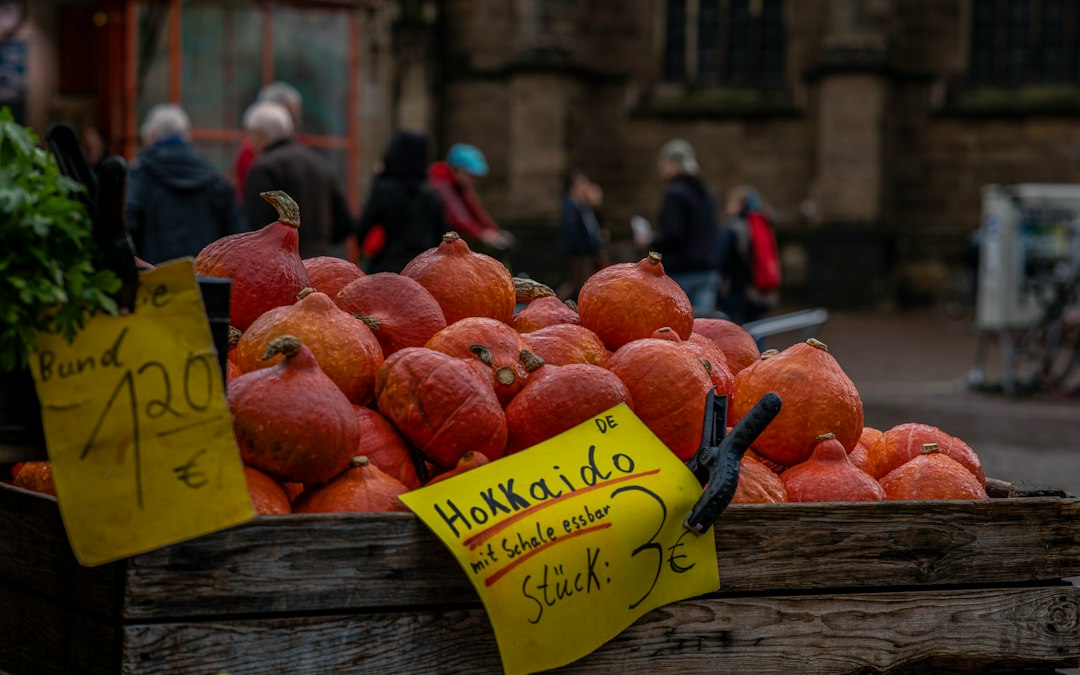
Potimarron, also called red kuri squash, changes the whole exercise. A Japanese family carried it into France only in 1957, late by the standards of French market gardens. It is small, brick red outside, with dense flesh that tastes and feels like chestnuts. Its skin turns tender once cooked, so there is no need to peel it before it goes into the pot.
Ordinary pumpkins carry more water and need longer cooking to reach the same concentration of flavor. Both belong to the same Cucurbita maxima family that also includes the Rouge Vif d'Étampes grown across central France. Swapping one for the other changes how much the base needs to reduce before it tastes like anything at all.

Six forks from one pumpkin soup base
Once the base is ready, the real decisions happen in the final ten minutes. Chefs and home cooks working from the same purée diverge in fat, acid and garnish, not in the vegetable itself. Here are six documented directions, each drawn from a published recipe or a working kitchen.
- Alain Passard's version skips stock altogether. It is built without any animal-based bouillon, relying instead on a mix of butter and olive oil and finished with a rosemary-scented milk foam.
- Marc Veyrat's version goes the opposite way. Veyrat, a well-known French chef, built the dish around a bacon-flavoured whipped cream, and serves it inside small hollowed pumpkins at his restaurant.
- Saveur's version, created by Paul Cunningham of Henne Kirkeby Kro, who favours Denmark's hokkaido pumpkin, roasts the squash in a 350°F oven for about forty minutes before it is blended, then finished with crème fraîche and orange zest.
- Once Upon a Chef's version stays closer to home cooking, built on leeks, apple and maple syrup simmered in chicken broth for twenty minutes.
- The traditional French soupe au potiron adds bulk rather than spice: pumpkin flesh and potatoes, simmered together for thirty to forty minutes, then finished with double cream and garlic croutons.
- A Surrey bistro's version, from chef Malcolm John of the Lobster & Grill restaurant in Sutton, blends in leek and potato, then finishes with toasted pine nuts and shaved parmesan.
Does a single base taste diluted?
The fair objection is that one flexible base risks tasting thin, sweet without depth, more water than flavor. Squash carries enough water that cooks preparing desserts from it must cook that moisture back out before the dish holds together. The same risk applies to soup whenever pumpkin meets plain water instead of stock or a hot pan.






Two choices manage that risk well. The Saveur method avoids it by roasting the squash before it ever meets liquid, concentrating sugars instead of washing them out. A proper stock, made from bones that were never roasted, keeps the base light without adding the raw water that a plain simmer does. Choosing potimarron over a watery carving pumpkin solves the same problem before the pot is even on the stove.
Accept this, and pumpkin soup stops being a single recipe to search for every October. One afternoon of roasting and simmering produces a base that keeps well in the refrigerator or freezes in portions. From there, a different two or three ingredients turn Monday's bowl into Passard's and Thursday's into Veyrat's. The shopping list gets shorter even as the week's soups get more interesting.
Learn more about pumpkin soup