A grain bowl is one of the most honest formats in the modern kitchen: every ingredient is visible, every decision is deliberate, and balance is not optional.
The foundation: choosing your grain
The grain is the canvas. It sets the flavor register, the density, and the pace of the whole composition. Therefore, this decision deserves the same attention a chef gives to a mother sauce.
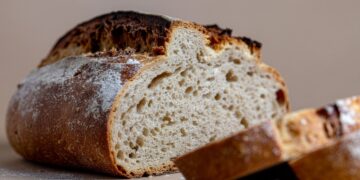
Whole grains are the correct choice here. Quinoa, farro, brown rice, and freekeh each bring a distinct character. Quinoa is light and neutral. Farro has a nutty depth that recalls the French countryside. Brown rice carries substance without demanding attention. The grain should support, not dominate.

Portion the grain to fill roughly one quarter of the bowl. This is not modesty. It is architecture. A generous grain base collapses the balance you are building. Cook a large batch at the start of the week and store it in a sealed container, ready to serve at any moment.
Building protein with intention
Protein gives the bowl its purpose. Without it, the dish is a salad. With the right protein, it becomes a complete meal with structure and satisfaction. Choose carefully, and prepare it with discipline.
Grilled chicken, baked fish, roasted chickpeas, tempeh, and lentils all perform well in this format. The protein should be seasoned before cooking, not after. A simple preparation, such as olive oil, sea salt, and a single spice, often produces the most elegant result. Avoid heavy marinades that compete with the dressing.

Plant-based protein works beautifully in a grain bowl. Legumes such as lentils and white beans add protein and fiber in a single layer. Firm tofu, pressed and roasted until golden, develops a pleasant texture that holds its form under a dressing. Variety here is both a nutritional and creative opportunity.
Vegetables: color, texture, and season
Vegetables are where the cook shows real knowledge. The selection must balance raw and cooked, soft and firm, mild and assertive. A bowl with only roasted vegetables becomes heavy. A bowl with only raw greens lacks warmth. The answer is always both.
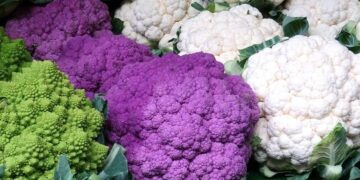
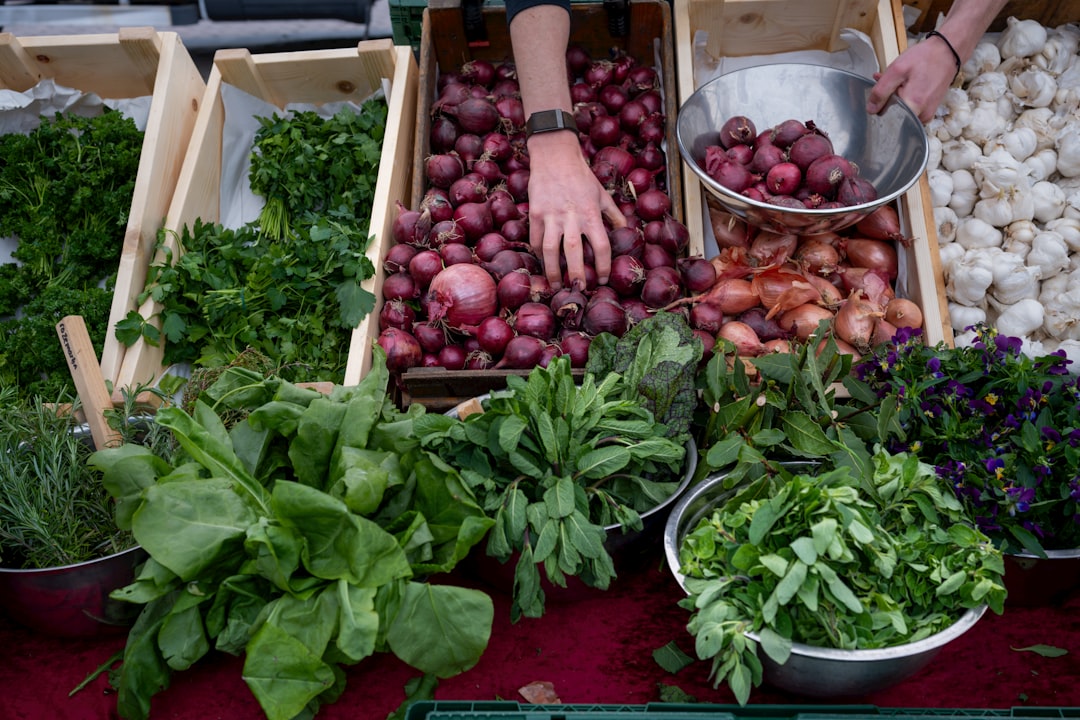
Roast root vegetables at a high temperature until the edges caramelize. Use fresh spinach or thinly sliced cabbage as a raw counterpoint. Add pickled red onion for acidity. Choose seasonal produce whenever possible. Seasonal vegetables carry superior flavor and require less manipulation to taste correct.
Aim for at least 3 different colors on the plate. Each color represents a different family of phytonutrients, and the visual effect is equally important. A well-built grain bowl should be beautiful before it is eaten.




Expert perspective on grain bowl craft
The most common error I see with composed bowls is the treatment of each component as independent. A grain bowl is a unified dish. Every element must be seasoned with the final assembly in mind. The grain needs salt. The vegetables need acid. The protein needs fat. When each layer is correctly prepared, the dressing becomes a finishing gesture, not a correction. Think of it as building a stock: every stage contributes to the depth of the whole. A bowl built with this logic will always taste more refined, more complete, and far more satisfying than one assembled from good ingredients alone.
Industry perspective, culinary arts and professional chef education professionals
The dressing: the final act of composition
The dressing is the most underestimated component in a grain bowl. Many cooks choose it last, almost as an afterthought. This is a structural error. The dressing must be chosen at the same time as the other components, because it determines the entire flavor direction of the bowl.
A tahini dressing, loosened with lemon and water, suits a Middle Eastern composition with farro, roasted cauliflower, and chickpeas. A light miso vinaigrette works with brown rice, edamame, and roasted salmon. A simple red wine vinaigrette suits a Mediterranean bowl with farro, olives, and grilled chicken. Each combination must have internal logic.
Keep the dressing light. Apply 2 tablespoons per portion. Store the dressing separately if you prepare the bowl in advance, to protect the texture of the greens and maintain the integrity of each layer. This is a matter of professional discipline, not personal preference.
Putting it all together
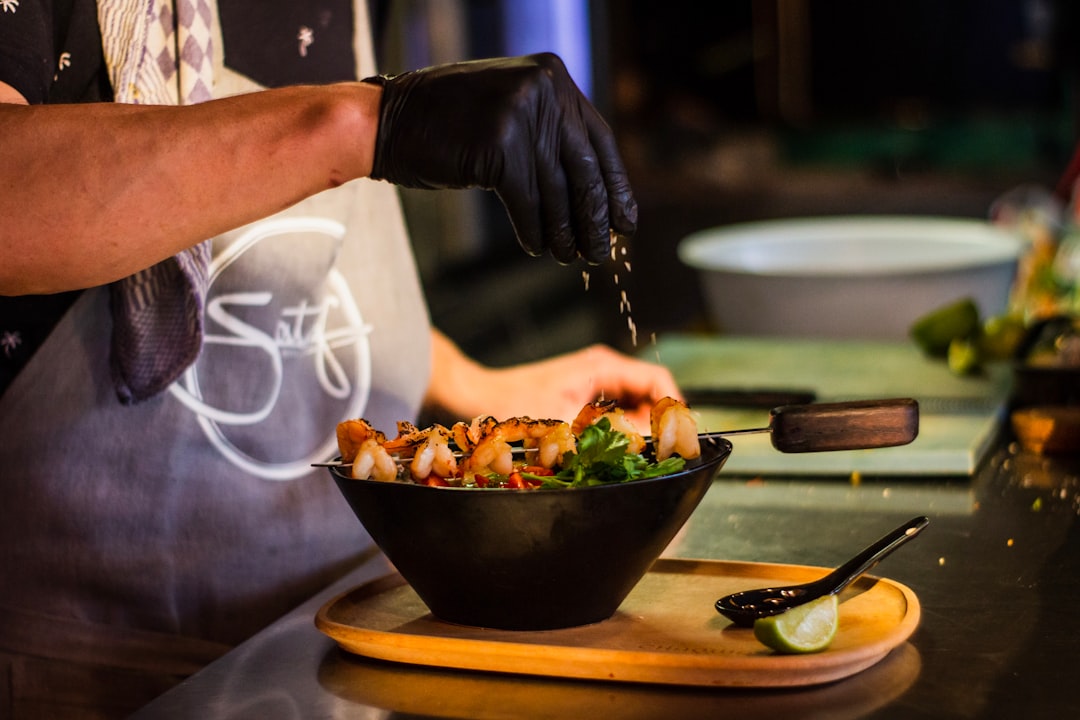
A well-built grain bowl follows a sequence: grain, protein, vegetables, fat, dressing. Each layer rests in its own space rather than mixing before serving. This visual order is part of the cooking process. Garnish with toasted seeds, fresh herbs, or a quarter of avocado for healthy fat.
The proportions are precise. Half the bowl is vegetables. One quarter is grain. One quarter holds protein and fat. These ratios support energy, satiety, and nutritional completeness in a single serving. Once the formula is understood, the variations become infinite, because the logic remains constant.
Conclusion
A grain bowl is a complete lesson in balance, technique, and respect for ingredients. Build it with the same rigor you bring to any serious dish. Select a whole grain base with care, season every component individually, and choose a dressing that unifies the composition. This guide gives you the foundation to create any grain bowl with confidence and precision. Return to these principles each time you build a new combination, and the result will always be coherent, nourishing, and refined.
Discover more about grain bowl
- Healthy Diet: WHO Fact Sheet
- Whole Grain Consumption and Health: Harvard T.H. Chan School of Public Health Review
- Culinary Trends Impacting Innovation in 2026: Food Business News
[End of deliverables]