What Makes Sourdough Bread Unique?
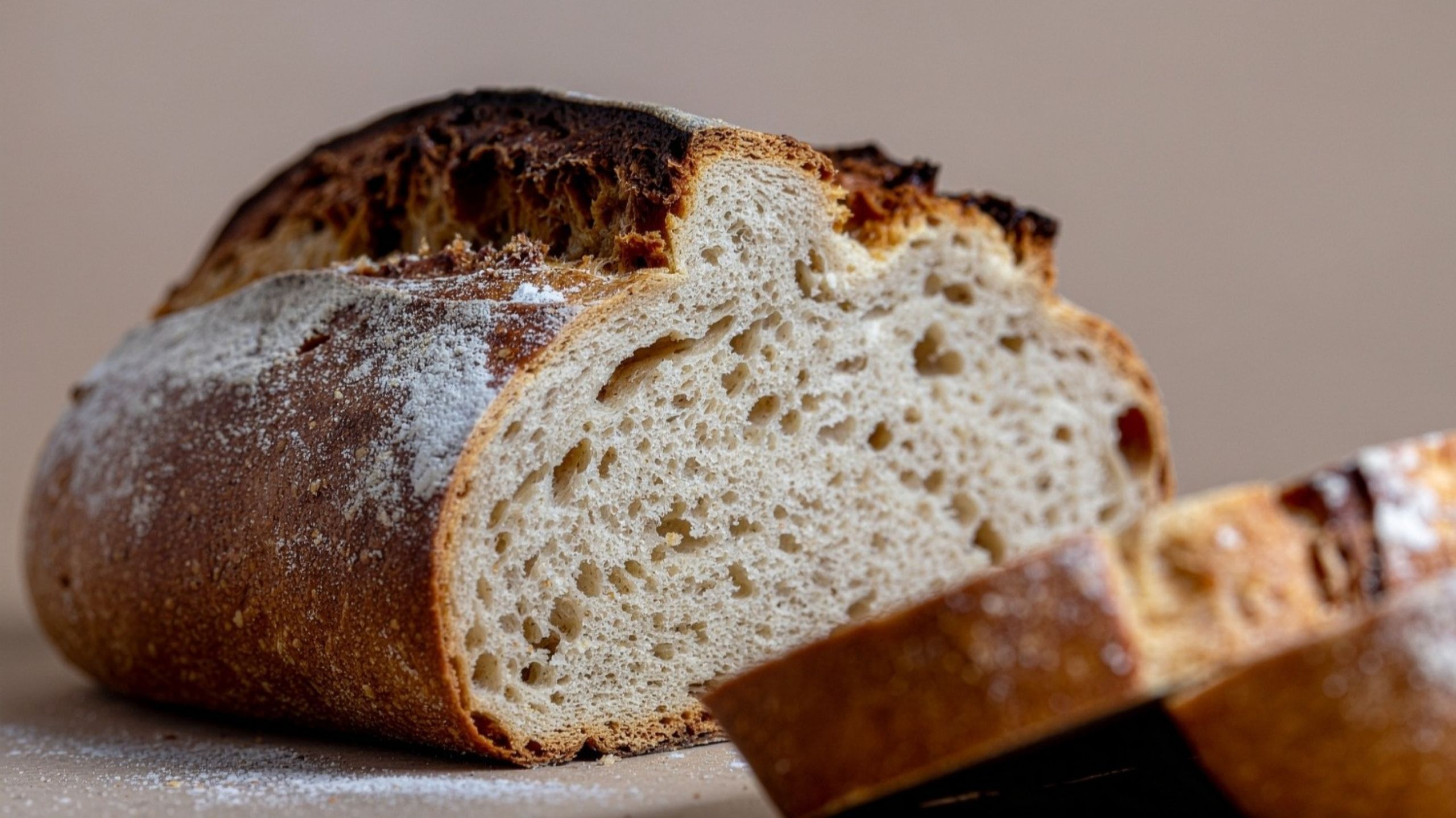
Sourdough bread relies on naturally occurring wild yeast and bacteria. Consequently, fermentation develops complex flavors over 12-48 hours typically. Artisan sourdough contains only flour, water, and salt essentially.
Additionally, lactic acid bacteria create characteristic tangy flavor profile. Therefore, longer fermentation produces more pronounced sourness gradually. Moreover, natural fermentation improves digestibility and nutrient availability significantly.

Wild yeast cultures adapt to local environment creating unique characteristics. For instance, San Francisco sourdough tastes different from French levain. Thus, each starter develops distinct flavor signature over time.
How Do You Create and Maintain Starter?
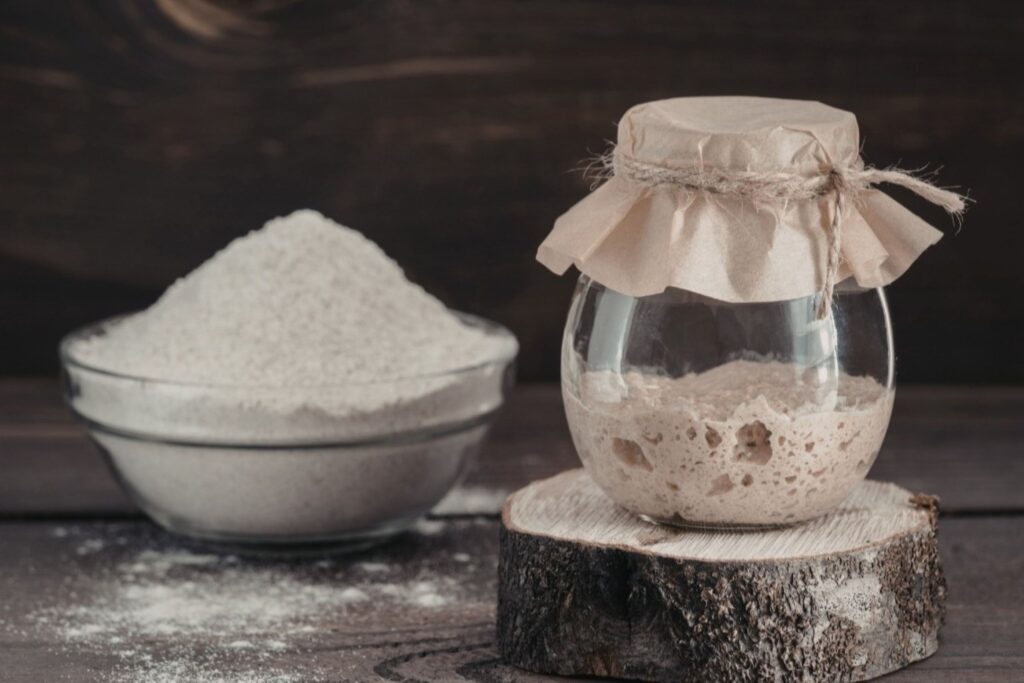
Initial starter creation requires flour and water mixed daily. Furthermore, whole wheat or rye flour accelerates fermentation initially. Day 5-7 typically shows consistent bubbling and rise.
Daily feeding routine maintains active healthy starter culture. However, discard half before adding fresh flour and water. Also, consistent feeding schedule establishes predictable fermentation rhythm.

Refrigerator storage extends feeding intervals to weekly for convenience. Meanwhile, cold environment slows fermentation preserving starter dormant. Certainly, bring to room temperature and feed before baking.
Identifying readiness through float test and visual cues matters. For example, peaked starter doubles volume showing bubbles throughout. Besides, pleasant yogurt-like aroma indicates healthy fermentation balance.
Which Techniques Produce Artisan Quality Loaves?
Autolyse method hydrates flour before adding starter and salt. Nevertheless, 30-60 minute rest develops gluten structure naturally. Specifically, resulting dough handles easier and rises better.






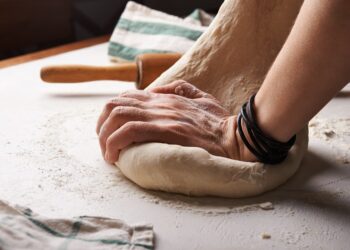
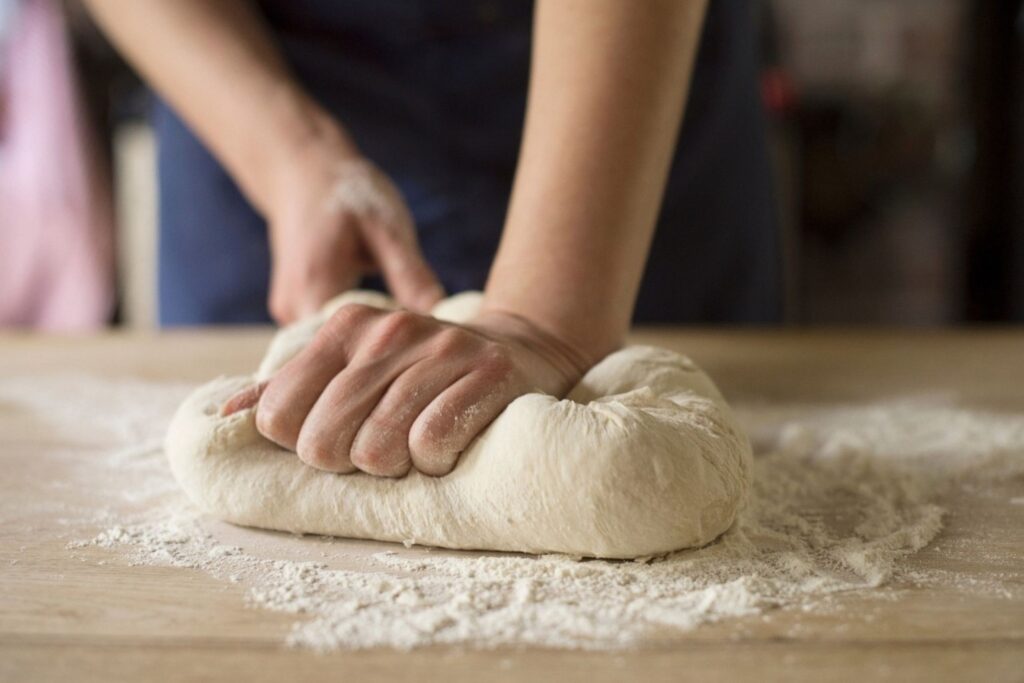
Stretch and fold technique develops gluten without kneading traditionally. On the other hand, gentle handling preserves air pockets created. Additionally, 4-6 sets over 2-3 hours builds strength.
Bulk fermentation allows dough developing flavor and structure completely. For instance, 4-6 hours at room temperature until 50% increase. Besides, temperature significantly affects fermentation speed and timing.
Shaping and proofing create final loaf structure before baking. Thus, tension on surface helps achieve dramatic oven spring. Furthermore, final proof refrigerated overnight develops flavor and convenience.


Autumn equinox and how cooks rethink heat
The autumn equinox is not simply a date on a calendar. It is the moment when serious cooks across the...
Bread traditions and what they reveal
Bread traditions are among the oldest and most honest records of human civilization. From the grain a community grows to...
What Troubleshooting Solutions Fix Common Problems?
Dense heavy loaf indicates insufficient gluten development or proofing. Meanwhile, increase stretch-and-fold sessions or fermentation time. Also, ensure starter fully active before mixing dough.
Overly sour flavor results from too-long fermentation or warm temperatures. However, reduce bulk fermentation time or refrigerate earlier. Besides, feeding starter more frequently reduces acidity accumulation.

Flat bread without rise suggests weak starter or overproofing. For example, float test confirms starter readiness before using. Also, poke test during final proof prevents overproofing.
Gummy interior texture comes from underbaking or cutting too early. Thus, internal temperature should reach 205-210°F minimum always. Furthermore, hollow sound when tapped bottom indicates doneness.
Inconsistent results stem from variable environmental conditions affecting fermentation. Therefore, maintain detailed baking journal noting temperatures and timings. Specifically, patterns emerge revealing optimal conditions for your kitchen.