

The Role of Pink Salt in Ancient Trade Networks
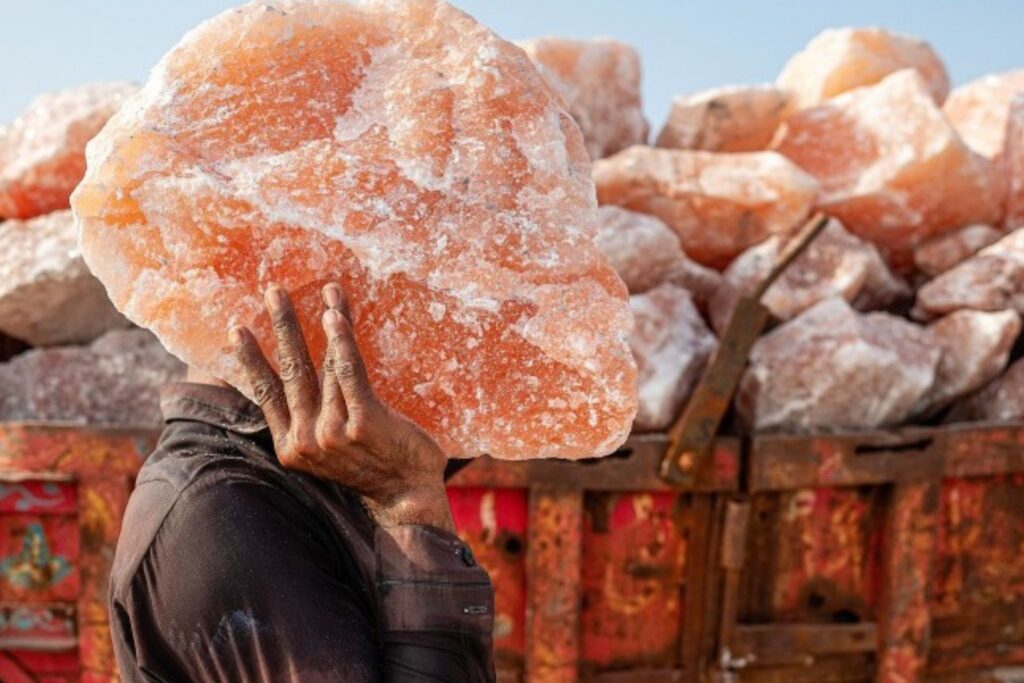
Pink salt deposits fundamentally transformed global commerce in ancient times. For instance, Himalayan miners extracted these precious crystals from Pakistan’s Khewra mines over 2,000 years ago. Consequently, merchants established extensive trade networks connecting Asia to Europe and Africa.
Additionally, caravans transported this valuable commodity across the Silk Road. The pink hue indicated superior mineral content to ancient traders. Therefore, it commanded premium prices in marketplaces from Rome to Beijing.

Meanwhile, African communities developed their own pink salt traditions. Salt merchants traveled across the Sahara Desert to exchange these minerals. Indeed, some societies valued salt equal to gold in ancient times.
The Unique Mineral Composition of Himalayan Deposits
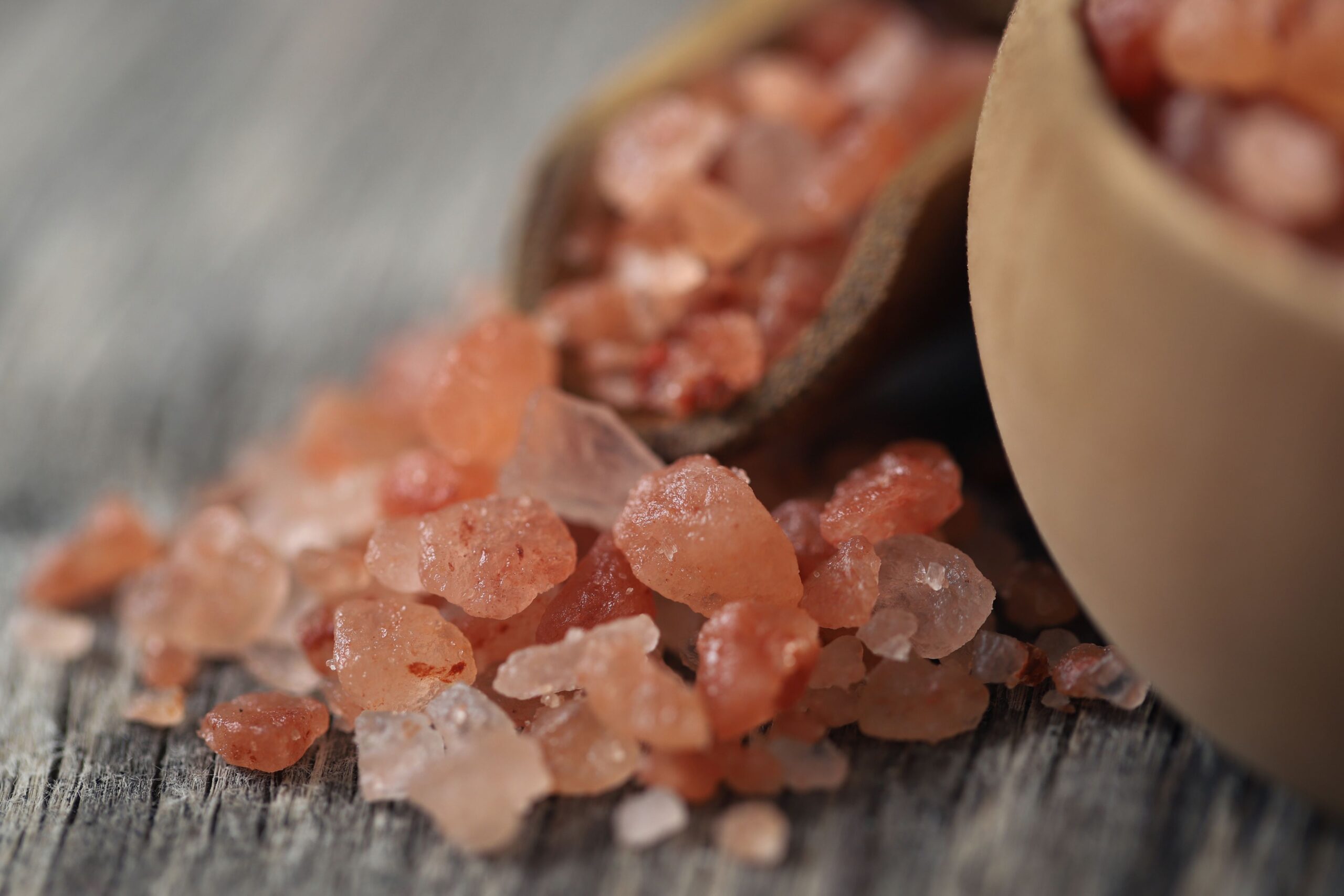
Himalayan deposits contain 84 trace minerals that create distinctive coloring. Iron oxide primarily produces the characteristic pink shade in these crystals. However, magnesium, potassium, and calcium also contribute to its composition.
These ancient sea beds formed approximately 250 million years ago. Tectonic activity then pushed these deposits into mountain ranges. As a result, the salt remained protected from modern environmental pollutants.

Moreover, traditional hand-mining methods preserve the salt’s natural structure. Workers carefully extract large blocks without using explosives or machinery. This gentle process maintains the mineral integrity that food lovers appreciate today.
Cultural Preservation Methods Across Civilizations
Persian civilizations pioneered advanced food preservation techniques using mineral-rich salts. For example, they developed methods for curing meats and fish. These traditions spread throughout the Middle East and Central Asia.
Furthermore, Tibetan communities incorporated pink salt into butter tea ceremonies. This beverage provided essential minerals for high-altitude living. The practice continues in mountain communities across Nepal and Bhutan today.





Indian Ayurvedic traditions also emphasized pink salt’s therapeutic properties. Practitioners recommended it for digestive health and mineral balance. Consequently, it became integral to traditional cooking throughout the Indian subcontinent.

Autumn equinox and how cooks rethink heat
The autumn equinox is not simply a date on a calendar. It is the moment when serious cooks across the...
Bread traditions and what they reveal
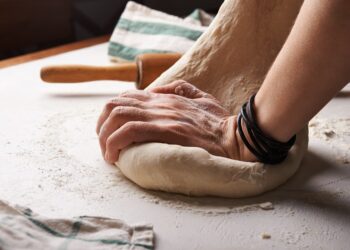
Bread traditions are among the oldest and most honest records of human civilization. From the grain a community grows to...

Gluten-free bakeries NYC: eat well
Gluten-free bakeries in New York City are no longer a compromise. From dedicated allergen-free kitchens in the West Village to...

Autumn menus: 8 ways restaurants adapt
When the first cool evenings arrive, restaurants do not simply swap a few dishes. They rethink flavour, space, light, and...
Experiencing Authentic Pink Salt Heritage Destinations
Several destinations offer immersive experiences with traditional pink salt production in 2026. The Khewra Salt Mine in Pakistan welcomes visitors to underground chambers. Tourists can observe ancient extraction methods and explore salt formations.
Similarly, Bolivian salt flats provide unique perspectives on mineral harvesting. Local communities demonstrate traditional collection and processing techniques. These experiences connect modern food lovers with ancestral knowledge.
European destinations also showcase historical salt trade importance. For instance, Salzburg, Austria celebrates its salt-mining heritage through museums. Meanwhile, Polish salt mines feature underground chapels carved entirely from salt.











The mineral content claims around pink salt are wildly overblown and it was refreshing to see you push back a bit instead of repeating the wellness marketing. Pretty much pure sodium chloride with traces of iron oxide for the color. People still pay ten times more for it though.
The bit about sendha namak being the only salt allowed during Navratri fasting was new to me even though my wife is from Gujarat. Asked her about it after reading and she laughed because apparently every Indian household has a separate jar just for fasting periods. The mineral angle gets a lot of hype online but the cultural and ritual dimension you covered is so much more interesting honestly. Bookmarking for later.