

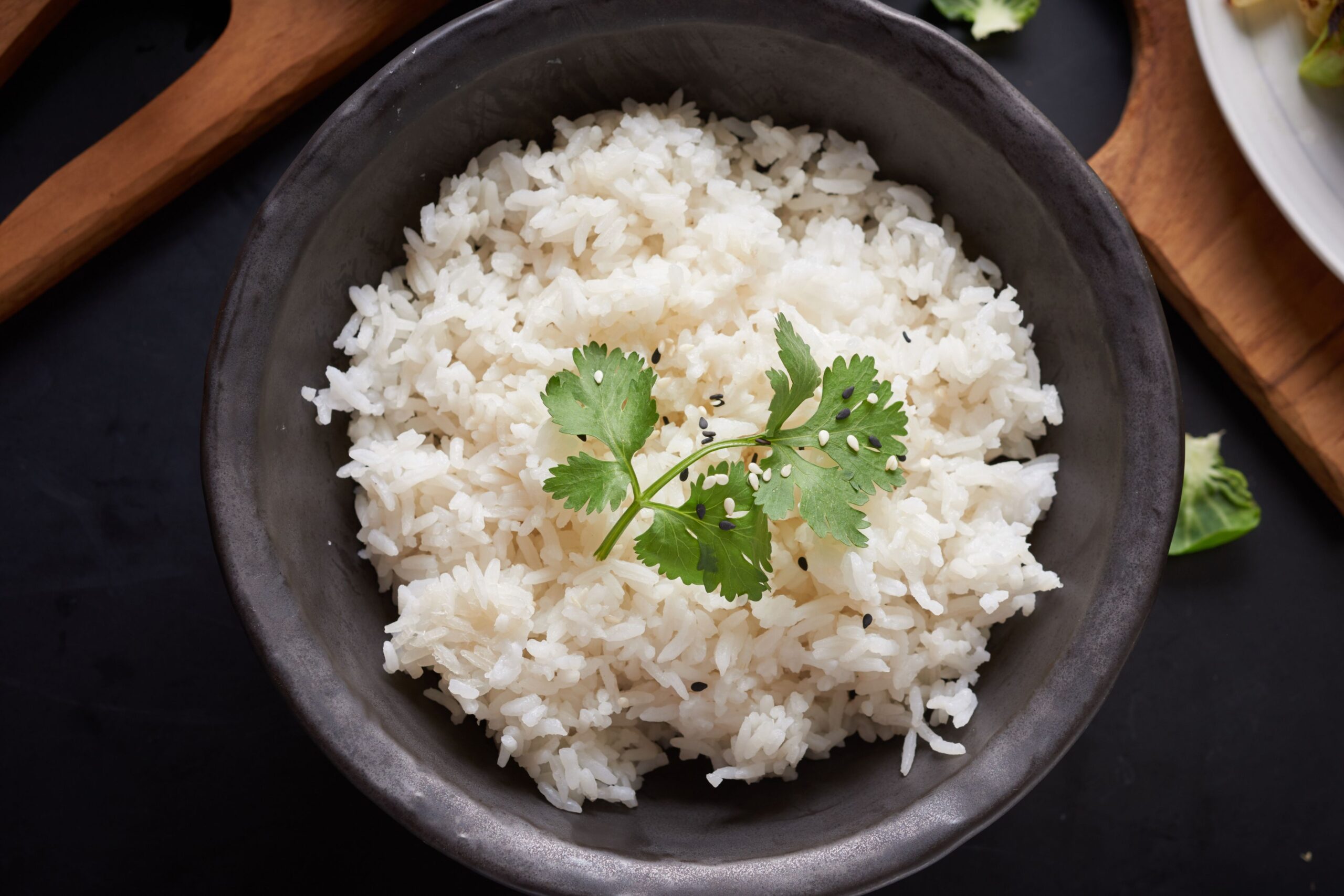
Why Does Basmati Rice Need Special Treatment?
Basmati rice differs significantly from other varieties. First, it contains less starch than short grain types. Consequently, it requires specific cooking methods.
Furthermore, the long grains expand during cooking. This unique characteristic demands careful water ratios. Additionally, soaking softens the grains beforehand.

In fact, Persian and Indian cooks have perfected these techniques. Their methods prevent mushy or sticky results.
How Long Should You Soak Basmati Rice?
Soaking is essential for perfect basmati rice. Moreover, this step ensures even cooking throughout.
Most experts recommend thirty minutes minimum. However, Persian methods suggest longer times. Specifically, two hours produces optimal results.

Meanwhile, soaking removes excess surface starch. Thus, the grains remain separate after cooking. Additionally, this process reduces cooking time significantly.

What Is the Indian Absorption Method?
The absorption method remains popular across India. First, rinse basmati rice thoroughly three times. Next, add water at a 1.5:1 ratio.
Then, bring the mixture to a boil. Afterward, reduce heat to low immediately. Cover the pot tightly for fifteen minutes.






Finally, let it rest off heat. This steaming period ensures fluffy grains. Indeed, removing the lid too early releases essential steam.
Truffle dinners in NYC this autumn
Truffle dinners transform New York City restaurants each autumn into something truly Italian in spirit: intimate, ingredient-led, and brief by...

Autumn equinox and how cooks rethink heat
The autumn equinox is not simply a date on a calendar. It is the moment when serious cooks across the...
Bread traditions and what they reveal
Bread traditions are among the oldest and most honest records of human civilization. From the grain a community grows to...

Gluten-free bakeries NYC: eat well
Gluten-free bakeries in New York City are no longer a compromise. From dedicated allergen-free kitchens in the West Village to...
What Common Mistakes Ruin Basmati Rice?
Several errors prevent perfect results. First, skipping the soaking step causes uneven cooking. Additionally, too much water creates mushiness.
Stirring during cooking breaks delicate grains. Therefore, resist checking constantly while steaming. Moreover, removing the lid releases crucial moisture.

Using high heat throughout burns the bottom. On the other hand, insufficient heat undercooks grains. Hence, medium-low temperatures work best consistently.
Furthermore, old rice requires more water. Thus, check package dates before cooking. Fresh basmati rice needs less liquid overall.











Soaking really is the part most recipes online skip past in one sentence. Give it the full 30 minutes and the grains come out twice as long.
Used to soak basmati for thirty minutes and call it done, but after reading about the two hour soak for Persian style I tried it last Sunday with a lamb stew. The grains came out almost double the length, no joke. The potato tahdig was a disaster on my first attempt though, way too thick and it burned before the steam phase finished. Going to try thinner slices next time.