

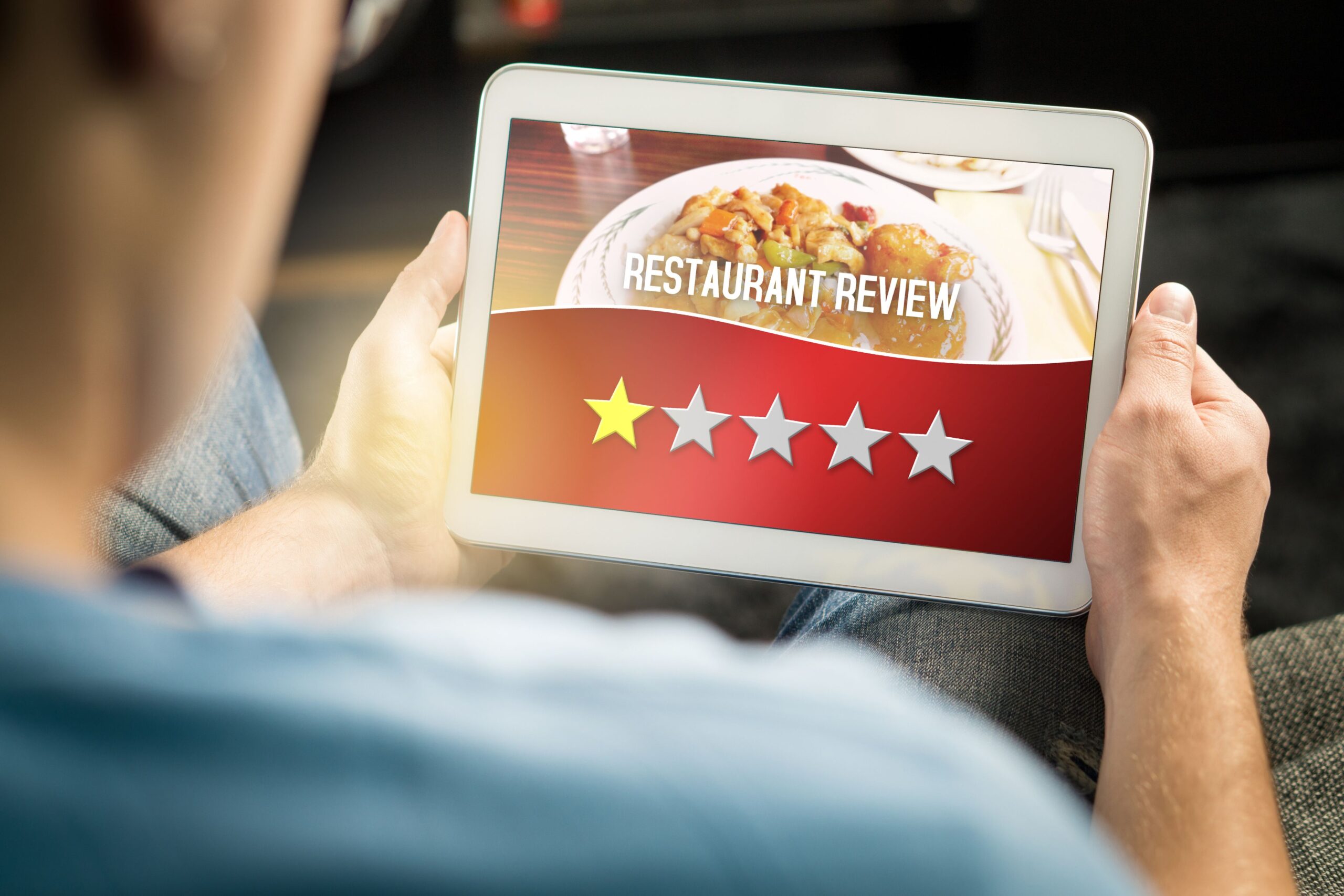
Why Do Restaurants Get Negative Reviews?
Most bad feedback stems from preventable issues. For instance, slow service frustrates customers quickly. Additionally, cold food ranks as a top complaint worldwide.
Poor communication also triggers harsh criticism. When staff ignore concerns, diners feel undervalued. Consequently, they share their frustration online.

Furthermore, inconsistent experiences damage trust. A customer who enjoyed their first visit expects the same quality. Thus, variation in food or service often leads to disappointment.
How Can You Prevent Bad Feedback?
Training staff properly reduces negative reviews significantly. Indeed, well-trained teams handle complaints before they escalate. For example, teaching servers to check on tables frequently prevents many issues.
Additionally, quality control matters immensely. Therefore, taste every dish during service hours. This simple step catches problems immediately.

Monitor your restaurant’s atmosphere constantly. Meanwhile, watch for dirty tables or low lighting. These details affect customer satisfaction more than owners realize.

What Should You Do When Problems Arise?
Address complaints immediately and professionally. Specifically, empower managers to offer solutions on the spot. A free dessert or discount often prevents a bad review.
Listen actively to customer concerns. However, avoid making excuses or arguing. Instead, acknowledge the problem and fix it quickly.






Document recurring issues carefully. Consequently, you can identify patterns and solve root causes. For instance, if multiple diners complain about wait times, adjust your kitchen workflow.


Autumn equinox and how cooks rethink heat
The autumn equinox is not simply a date on a calendar. It is the moment when serious cooks across the...

Bread traditions and what they reveal
Bread traditions are among the oldest and most honest records of human civilization. From the grain a community grows to...

Gluten-free bakeries NYC: eat well
Gluten-free bakeries in New York City are no longer a compromise. From dedicated allergen-free kitchens in the West Village to...

Autumn menus: 8 ways restaurants adapt
When the first cool evenings arrive, restaurants do not simply swap a few dishes. They rethink flavour, space, light, and...
Which Strategies Work Best Long-Term?
1. Create a feedback system before customers leave. For example, provide comment cards or tablets at tables. This allows you to fix issues immediately.
2. Moreover, encourage satisfied diners to share their experiences online. Nevertheless, never offer incentives for positive reviews. This violates most platform policies.
3. Build relationships with regular customers. On the other hand, new diners need extra attention too. Therefore, treat everyone like a valued guest.
4. Invest in technology that improves service speed. Specifically, modern POS systems and kitchen display screens reduce errors. As a result, food quality and timing improve.
5. Use social media proactively. Meanwhile, showcase your team’s commitment to excellence. This builds trust before problems occur.

6. Track your online reputation weekly. Thus, you can spot trends early. Additionally, respond to all reviews professionally and promptly.
7. Train staff to anticipate needs. For instance, refilling drinks before asking prevents minor annoyances. These small touches create memorable experiences.











Honestly the bit about responding within 24 to 48 hours is the one most owners I know get wrong. They either react in the heat of the moment or let it sit for two weeks until it doesn’t matter anymore. Found that out the hard way with my own place last year. A short, calm reply within a day does more for your image than a perfect essay written a month later.
Owned a small bistro for twelve years and the single best thing I ever did for our reviews wasn’t responding to bad ones, it was actively training the floor staff to read tables better. A guest who feels seen rarely goes home to write a hate post at midnight. Reputation software is fine but it treats the symptom not the cause. Solid list though, especially the part about flagging fake reviews which is way more common than people think.