

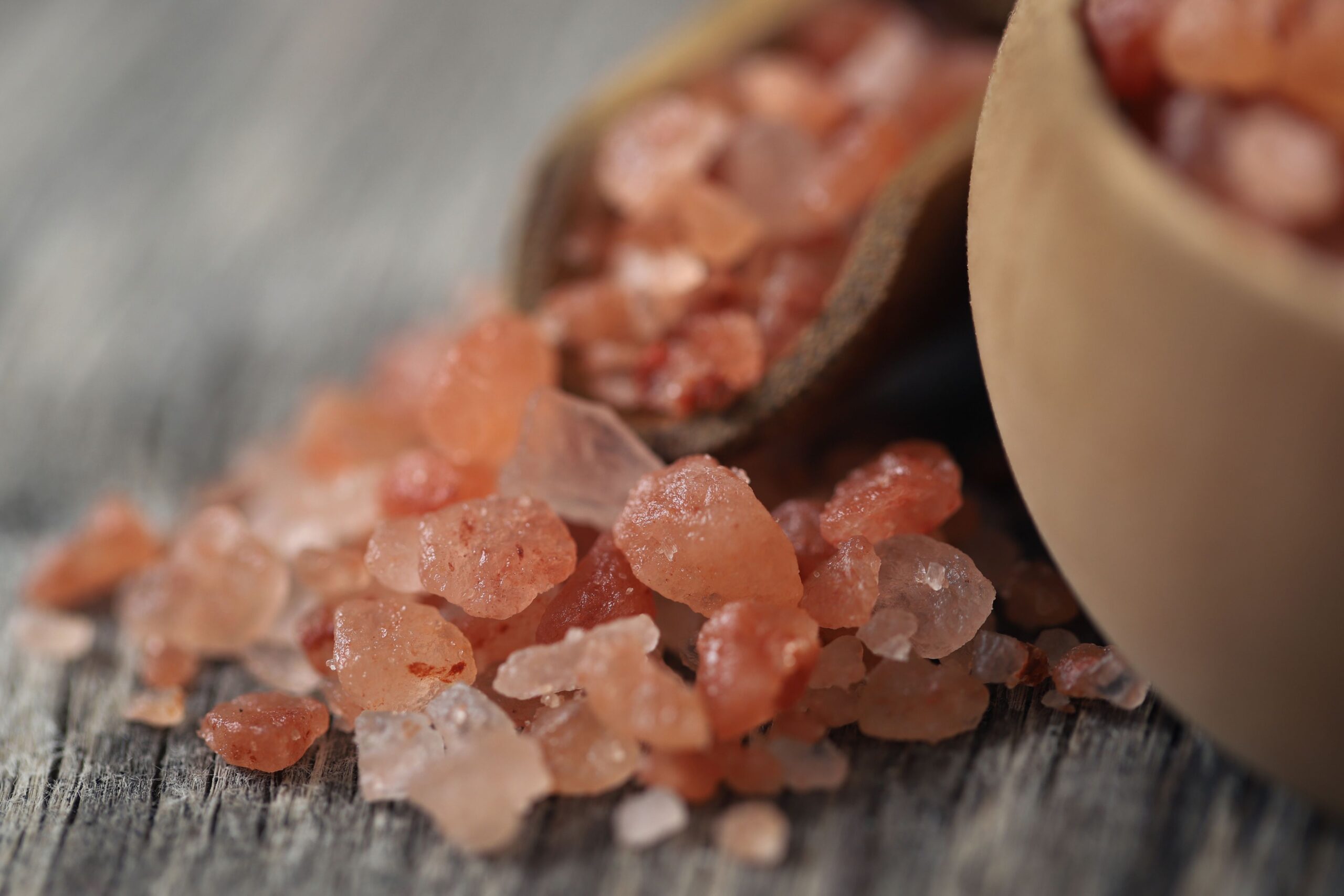
粉盐在古代贸易网络中的作用
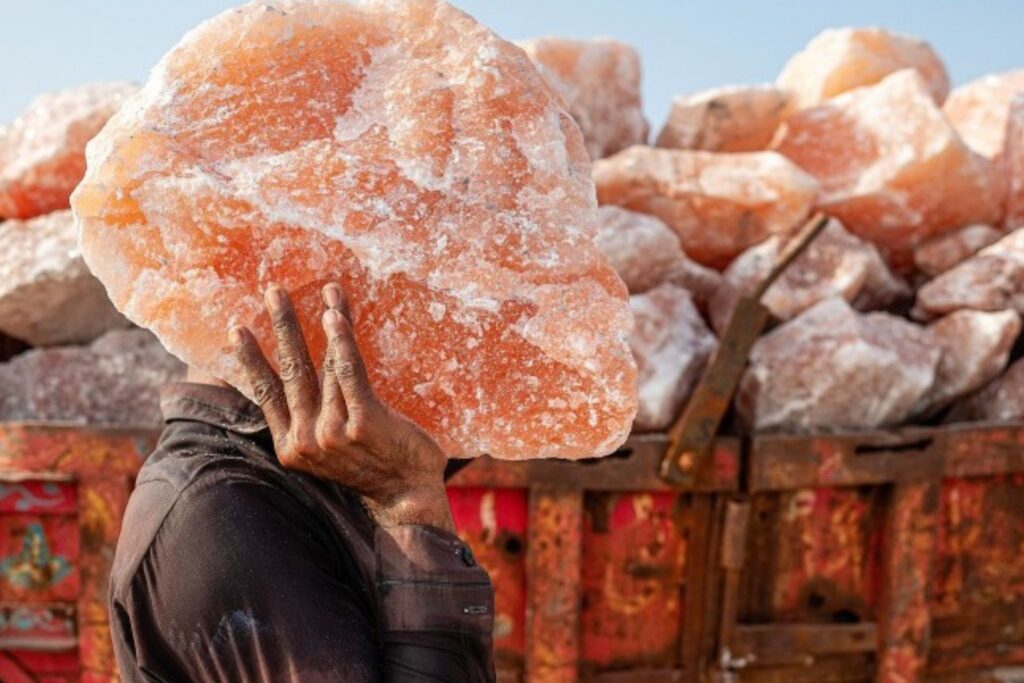
粉盐矿藏在古代从根本上改变了全球商业。例如,喜马拉雅矿工在2000多年前就从巴基斯坦的克赫拉矿区开采这些珍贵的晶体。因此,商人建立了连接亚洲、欧洲和非洲的广泛贸易网络。
此外,商队通过丝绸之路运输这种宝贵的商品。粉红色调向古代商人表明其矿物质含量更高。因此,它在从罗马到北京的市场中都卖出了高价。
与此同时,非洲社区也发展了自己的粉盐传统。盐商穿越撒哈拉沙漠交换这些矿物质。事实上,在古代,有些社会认为盐的价值与黄金等同。
喜马拉雅矿藏独特的矿物质成分
喜马拉雅矿藏含有84种微量矿物质,形成了独特的颜色。氧化铁主要产生了这些晶体特有的粉红色调。然而,镁、钾和钙也对其成分有所贡献。
这些古老的海床大约形成于2.5亿年前。随后,构造活动将这些矿藏推入山脉。因此,盐得以免受现代环境污染。

此外,传统的手工开采方法保留了盐的天然结构。工人们小心翼翼地开采大块盐,不使用炸药或机械。这种温和的工艺保持了矿物质的完整性,这也是当今美食爱好者所欣赏的。
跨文明的文化保存方法
波斯文明开创了使用富含矿物质的盐进行食物保存的先进技术。例如,他们开发了腌制肉类和鱼类的方法。这些传统传播到整个中东和中亚地区。
此外,藏族社区将粉盐融入酥油茶仪式中。这种饮品为高海拔生活提供了必需的矿物质。如今,这种习俗在尼泊尔和不丹的山区社区中仍在延续。




印度阿育吠陀传统也强调粉盐的治疗特性。从业者推荐它用于消化健康和矿物质平衡。因此,它成为整个印度次大陆传统烹饪不可或缺的一部分。


Japanese food labels: hidden gluten guide
Japanese food labels follow precise rules, but those rules do not protect every gluten-sensitive shopper. Wheat is mandatory, yet barley...

Monsoon dal recipes from 7 Indian states
India's monsoon season calls for warm, nourishing food, and nothing answers that call better than a bowl of dal. These...
Ramen shops NYC worth seeking out
New York City's ramen shops range from quiet artisan counters to bold fusion destinations, each bowl a small act of...

Rooftop restaurants for a July evening
July heat transforms European cities into something almost cinematic, and rooftop restaurants offer the most elegant escape. From Paris to...
体验正宗粉盐文化遗产目的地
2026年,有几个目的地提供沉浸式体验,让游客了解传统的粉盐生产。巴基斯坦的凯沃拉盐矿欢迎游客参观地下矿室。游客可以观察古老的开采方法并探索盐层。
同样,玻利维亚盐滩为矿物开采提供了独特的视角。当地社区展示了传统的收集和加工技术。这些体验将现代美食爱好者与祖传知识联系起来。
欧洲目的地也展示了盐贸易的历史重要性。例如,奥地利萨尔茨堡通过博物馆庆祝其盐矿遗产。同时,波兰盐矿以完全由盐雕刻而成的地下礼拜堂为特色。








The mineral content claims around pink salt are wildly overblown and it was refreshing to see you push back a bit instead of repeating the wellness marketing. Pretty much pure sodium chloride with traces of iron oxide for the color. People still pay ten times more for it though.
The bit about sendha namak being the only salt allowed during Navratri fasting was new to me even though my wife is from Gujarat. Asked her about it after reading and she laughed because apparently every Indian household has a separate jar just for fasting periods. The mineral angle gets a lot of hype online but the cultural and ritual dimension you covered is so much more interesting honestly. Bookmarking for later.