A grazing board is the most honest form of world cooking: no fire, no technique, only the truth of what a pantry holds and the hands that filled it.
Why global pantry staples belong on your grazing board
The summer table invites generosity. A grazing board rewards that generosity by asking very little of the cook and giving a great deal to every guest. The real work happens at the pantry, not at the stove.
Global pantry staples carry centuries of culture in small packages. Spanish jamón ibérico, Korean gochugaru, Mexican vanilla, and Moroccan harissa all began as local answers to local conditions. Today, these ingredients sit side by side in specialty stores and online markets, waiting to travel onto a single board.

Food traditions are a defining marker of both individual and shared cultural identities. They carry deep meaning and reflect our connection with nature, the changing seasons, and the land, while also conveying stories of migration, adaptation, and resilience. A thoughtfully built grazing board makes all of that visible in one glance.
The foundation: cured and fermented anchors
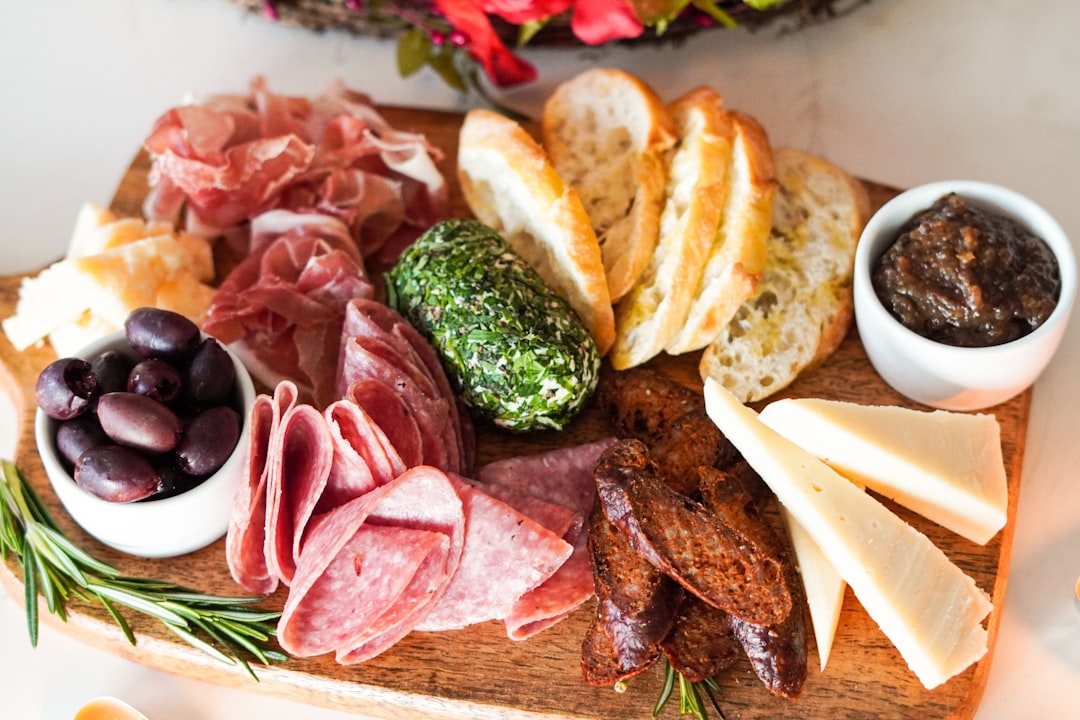
Every great grazing board needs a savory, salty anchor. Cured meats fulfill this role better than almost anything else. A well-chosen selection of meats should include a sliced salami, a prosciutto, and a bresaola for depth. These 3 options cover a wide range of fat content, texture, and intensity.
Fermented items add brightness and contrast. Kimchi, the salted and fermented vegetable preparation central to Korean food culture, is on UNESCO’s Intangible Heritage list twice, once for South Korea and once for North Korea. Cabbage and radish are the most common vegetables used, and seasonings generally include gochugaru, garlic, ginger, and salted seafood. A small bowl of kimchi on your board introduces depth and a conversation.

Pickled items serve a similar purpose. Pickles are essential on a well-built board. Cornichons, pickled okra, and sweet gherkins pair beautifully with aged cheeses. These pantry staples require zero preparation on the day of serving.
Cheese: the seasonal center of every board
Cheese connects every culture that keeps animals. For a summer grazing board, the selection must feel light and fresh. In summer, keep things light and balanced with cheeses that pair well with fresh fruits and chilled wines. A creamy brie, a firm manchego, and a soft goat cheese provide 3 distinct textures.
Peaches, berries, melons, and vine-ripe tomatoes are wonderful on a grazing board, along with fresh herbs and edible flowers. Soft fresh cheeses like goat cheese are especially welcome in summer for their light texture and flavor. This combination of soft cheese and seasonal fruit reflects the Mediterranean tradition of mezze and sharing.
Middle Eastern cuisine is known for its fresh ingredients, mezze culture, and healthy, vibrant dishes. Olive oil, lemon juice, and garlic form the cuisine’s essential trio. Chickpeas, parsley, mint, tomatoes, and tahini are vital. Spices like sumac and za’atar provide unique, tangy flavors. A small ramekin of hummus or a drizzle of za’atar oil brings this tradition directly onto your board.
Spreads, spice, and the Latin American touch
Latin America holds some of the most powerful pantry staples on the planet. Traditional Mexican cuisine is a comprehensive cultural model that includes age-old skills, culinary techniques, and ancestral community customs. It depends on collective participation across the entire food chain, from planting and harvesting to cooking and eating. That philosophy applies even to a small jar of condiment.
Chamoy is one example. This fermented, pickled sauce made from dried fruit and chili has roots in pre-colonial Mexican flavor traditions. A ramekin of mango-chile chamoy or pickled pineapple adds a bright, spicy flavor that ties perfectly into the summer season. Vanilla, avocado, cacao, and tomato are additional Latin American pantry staples that complement almost any board.
Ingredients like harissa, turmeric, and sambal are no longer foreign but are becoming pantry staples available in most markets. A small spoonful of harissa next to a creamy cheese changes the entire character of a bite. This is how one board can speak 6 languages without a single translation.
Expert perspective on building a globally inspired board
A summer grazing board built from global pantry staples is not a trend. It is a return to something ancient. Every culture that has ever preserved food for the dry season, the cold months, or the long journey has contributed something to this table. Jamón, kimchi, harissa, chamoy, tahini, and tinned fish are not separate categories. They are one continuous human conversation about flavor, fermentation, and survival. When you arrange these ingredients together, you are not mixing cuisines carelessly. You are acknowledging that food has always traveled, always crossed borders, and always carried memory. The summer board is simply the most honest place to make that acknowledgment visible.
Industry perspective, global food culture and culinary heritage professionals






How to assemble your grazing board, step by step
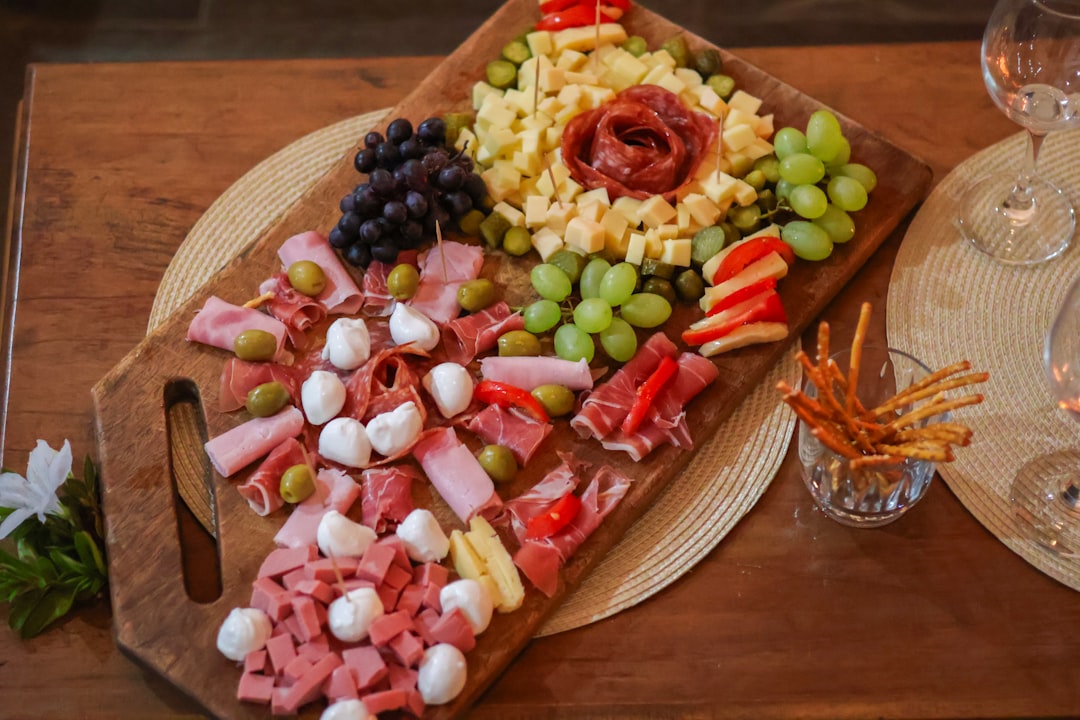
Assembly is where intention becomes visual. Start with small bowls and anchors. Layer and cluster the elements. Place larger items like cheeses and small bowls of dips or olives first, then fill in with cured meats, fresh items, and seasonal touches like stone fruit or garden-fresh vegetables.
Take the cheeses out of the refrigerator and set them on the counter for 30 minutes before serving. Once they reach room temperature, they are easier to slice and spread on crackers and bread. This simple step improves every bite.
Add brightness and aroma with fresh herbs. Herbs also work as dividers between different flavor zones on the board. Use rosemary, thyme, or fresh basil from your pantry shelf or garden pot. Fill every gap with crackers, nuts, or dried fruit to create a board that looks full and abundant.
Conclusion: your grazing board, your world
A grazing board built from global pantry staples is the most democratic food project a home cook can attempt. It asks for curiosity, not technique. It rewards exploration, not perfection. Every ingredient you choose carries the knowledge of a community, a season, and a tradition that someone worked to preserve.

Build your grazing board with intention. Reach past the familiar and select 1 ingredient from a culture you want to understand better. Taste the history in a slice of jamón, the fermentation in a spoonful of kimchi, the fire of a Latin American chamoy. Your grazing board becomes a living atlas of world food. Come back to GUSTOwebzine each season for more ideas on how to fill it.
Discover more about grazing board
- UNESCO International Food Atlas: Safeguarding Foodways as Living Heritage
- Expert Ideas for Your Summer Picnic Charcuterie Board (Forbes, 2025)
- Battle of the Food and Beverage Trends: Winners Announced (Food Navigator, December 2025)