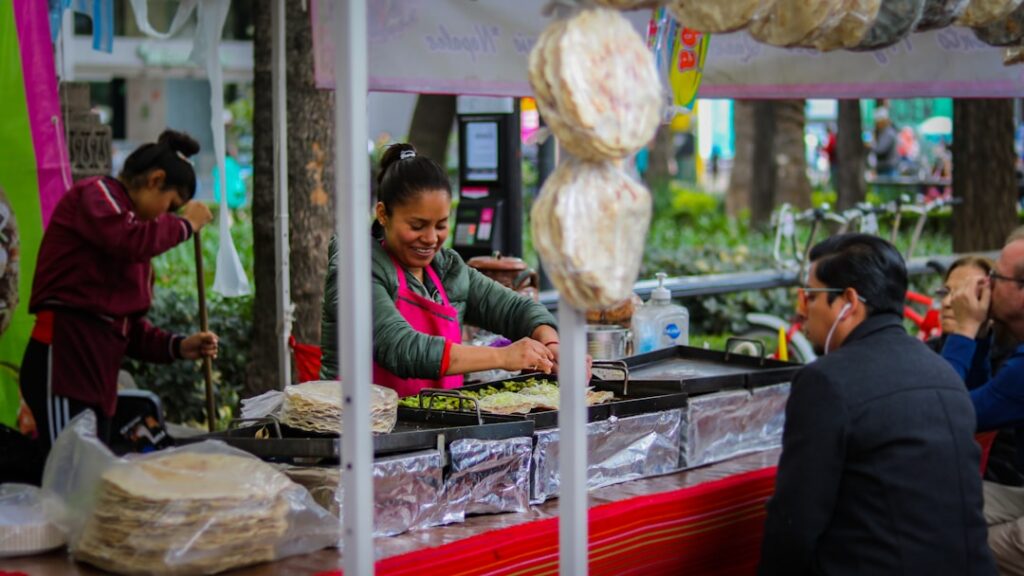
Street food in Dubai lives not in its towers or its hotel lobbies, but in the warm, lit lanes of neighbourhoods that most visitors never find, corridors where hundreds of communities have built something remarkable, one plate at a time.
Why Dubai’s food corridors feel so personal
Over 200 nationalities have brought their authentic recipes to Dubai, creating a space where Pakistani kebabs sit next to Filipino dishes and Lebanese manakeesh. That variety is not accidental. It is the result of decades of migration and community building. The street food scene here carries that history in every bite.

Strict municipality standards ensure that even the most affordable vendors meet hygiene requirements. These vendors invest in ingredients and time-tested recipes, not expensive rent. So when you stop at a small counter in a side street, you are not compromising on quality. You are simply getting closer to the source.
Dubai’s street food is not just about eating. It is about experiencing cultures, stories, and traditions from around the world in one city. That is what makes exploring these corridors feel personal, and why locals return to the same stalls for years.
Deira: the original street food district
Deira is old Dubai, the neighbourhood that existed long before the city’s most famous landmarks. It remains the undisputed leader of authentic street food. Walking through its streets in the evening, the air carries the smell of grilling meat and warm bread before you see a single stall.

Al Muraqqabat Street and Al Mateena Street run parallel to each other in Deira and hold remarkable culinary variety. These streets are lined with Iraqi kebab spots, Arabic and Iranian eateries, and Lebanese bakeries and sweet shops. You can spend an entire evening here and not cover every option.
Around Dubai Creek, in Deira and Al Fahidi, you find Iranian bakeries, spice traders, and small cafes focused on traditional cooking. You can cross Dubai Creek by traditional abra water taxi for just AED 1, a short public crossing between Deira and Bur Dubai. That short ride is one of the most memorable ways to move between 2 food neighbourhoods in the city.
Satwa and Al Dhiyafah Road: a corridor for every craving
Al Dhiyafah Street, now known as 2nd December Street, defines Satwa’s street food culture. This busy stretch is packed with eateries from Lebanon, India, Pakistan, and Iran, offering a wide range of flavours at affordable prices.
Lebanese bakeries, Filipino restaurants, and Pakistani kebab houses all operate within walking distance of each other on this road. Ravi Restaurant’s Satwa branch serves smoky chicken tikka and garlic naan for under AED 30 per person. This is the kind of place that does not need decoration. The food speaks for itself.
Al Satwa is also the city’s destination for late-night grills and shawarma counters. Pakistani and Lebanese street food here peaks after midnight. If you visit Dubai and leave without walking this corridor at night, you have missed one of its most honest expressions.
Al Karama: south Asian flavours and so much more
Al Karama is a destination for South Asian and Southeast Asian home cooking. Keralan seafood, Indonesian street food, and Ethiopian platters are all within walking distance of each other. For its size, the variety is extraordinary.
Al Karama is a favourite for street food lovers, with a wide range of cuisines at accessible prices. The neighbourhood is known for its Indian and Pakistani eateries, serving dishes like dosa, vada pav, and pani puri. Each of these comes with its own vendor story and regional tradition.
Al Karama packs hundreds of restaurants into a small area, with South Indian, Indonesian, Ethiopian, and Filipino cuisines all within walking distance. Plan at least 2 to 3 hours here. One visit is never enough.
A perspective from the food community
Dubai’s street food corridors function as living maps of the city’s identity. Every district carries its own culinary character, shaped not by restaurant designers but by the communities who settled there. Deira reflects decades of Persian and South Asian trade. Satwa carries the pulse of late-night Lebanese culture. Karama holds the everyday cooking of workers and families from across Asia. These corridors are not tourist attractions. They are the way most of Dubai’s residents actually eat, and that distinction matters. When you walk into a small eatery in Al Karama and sit beside a construction worker, a nurse, and a bank officer all eating the same biryani, you understand the city in a way that no skyline view can offer.
Industry perspective, food culture and neighbourhood dining professionals in Dubai
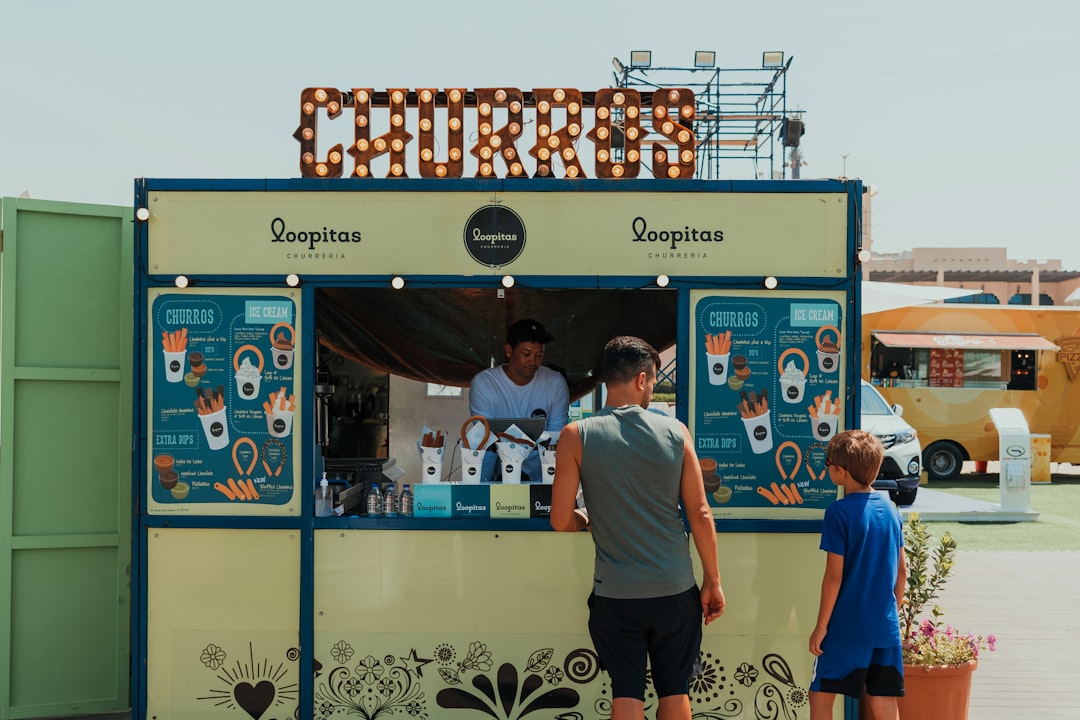
Al Quoz, Bur Dubai, and the quieter corridors
Al Quoz combines art spaces and food stalls. It is known for good shawarma and falafel, and this neighbourhood is a favourite for locals who want authentic flavours away from busier areas.
Bur Dubai, near the textile souk, has spots serving traditional Emirati and Arabic street food. The area around Meena Bazaar is particularly good for finding authentic flavours at reasonable prices. Meena Bazaar in Bur Dubai is also known for its Indian snacks like samosas, jalebis, and chole bhature.
Al Qusais and Al Nahda are newer areas that have developed strong street food scenes. These neighbourhoods have large Asian communities, so you find excellent Thai, Filipino, and Chinese food options. These are the corridors that rarely appear in any visitor guide, which is exactly why they are worth finding.
How to eat well in Dubai’s street food corridors
Evening hours between 6 PM and 11 PM are ideal for the best experience with fresh food. Outdoor food festivals and markets are most active from October to April. Timing your visit matters, especially in the summer months.

Dubai Municipality enforces strict hygiene standards. Look for the hygiene ratings displayed at restaurants. Many traditional street food vendors prefer cash, so keep small notes for easier transactions. A little preparation makes your walk through these corridors much smoother.
The best street food areas in Dubai include Al Dhiyafa Street in Satwa for shawarma and falafel from AED 5 to 15, the Deira Old Souk area for Indian, Pakistani, and Iranian street food from AED 10 to 25, and Al Karama for South Indian food from AED 10 to 20. Most full meals cost less than AED 25, which makes exploring several corridors in one evening both realistic and deeply satisfying.
These corridors are Dubai’s real story
Street food in Dubai is not a trend. It is the daily rhythm of a city built by people from everywhere, feeding each other with care and consistency. The neighbourhoods of Deira, Satwa, Karama, and Bur Dubai are living records of migration and cultural pride. Here, workers and executives order the same shawarma. Here, good food requires no dress code and no reservation.






Start with 1 corridor. Let the smells guide you. Talk to the vendors. Try something unfamiliar. Dubai’s street food scene rewards curiosity above everything else, and each of these hidden corridors holds far more than a meal. Come hungry and leave with a story.
Discover more about street food
- Top street food spots in Dubai
- The 50 best restaurants in Dubai 2026: street food to fine dining
- Where to eat in Dubai: street food, eat streets, neighbourhoods
Originally published on DUBAIwebzine.