

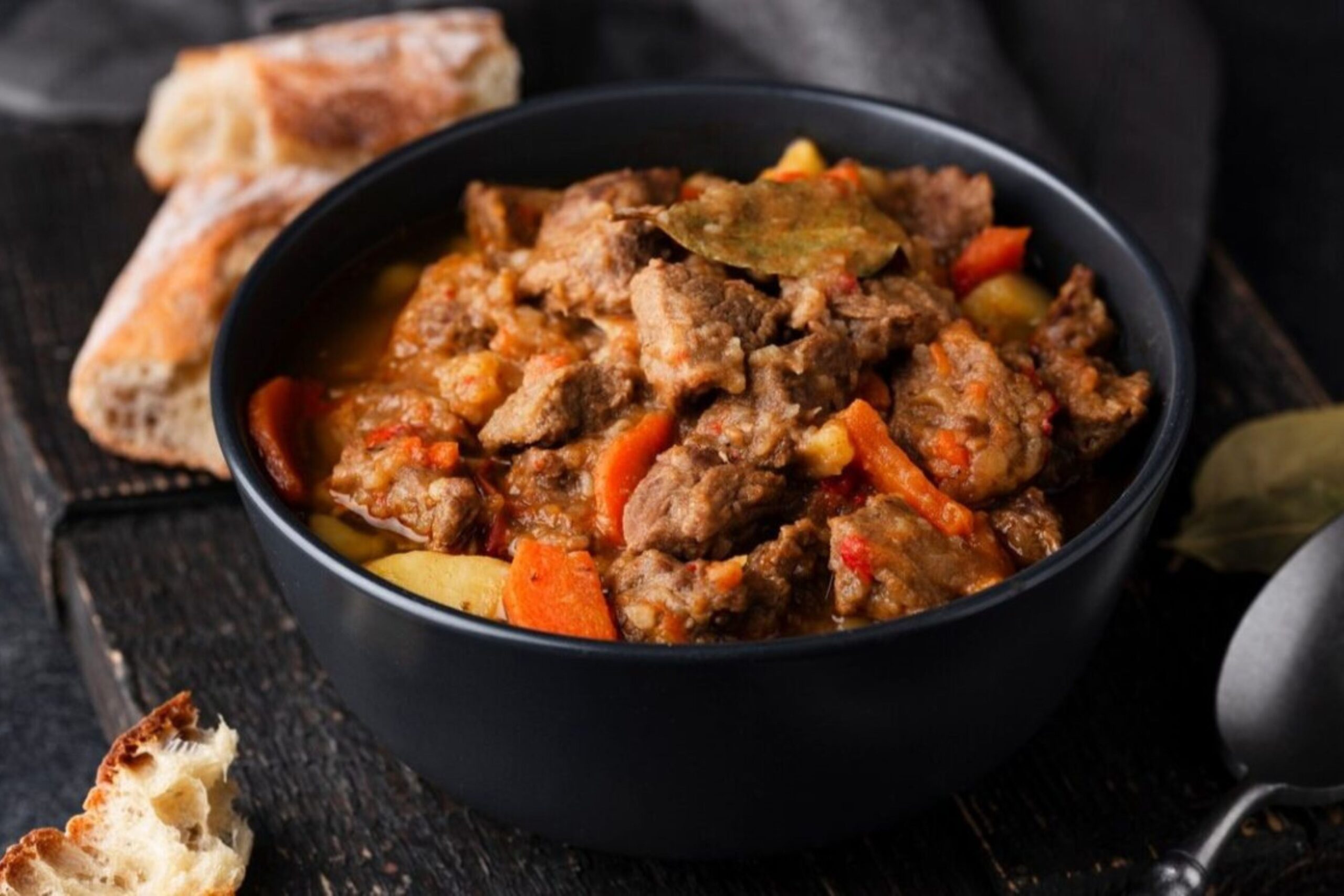
The Birth of Coq au Vin
Coq au vin emerged from rural French kitchens centuries ago. Farmers created this dish using tough roosters and local wine. The slow cooking method transformed simple ingredients into tender perfection.
Furthermore, this technique spread across regions. Each area adapted the recipe using available wines. Consequently, Burgundy’s version became the most famous standard.

Today, restaurants worldwide serve their interpretations. However, the essence remains unchanged. Indeed, the combination of chicken and wine defines authentic French classics.
Bouillabaisse: Mediterranean Heritage
Marseille fishermen invented bouillabaisse from leftover catch. They combined various fish with saffron and herbs. This practical approach created an extraordinary flavor profile.
Nevertheless, the dish evolved into fine dining. Chefs began selecting premium seafood varieties. As a result, bouillabaisse transformed from humble origins to luxury cuisine.

The traditional recipe requires specific Mediterranean fish. Additionally, the broth demands careful preparation. Therefore, authentic versions remain treasured in coastal regions.
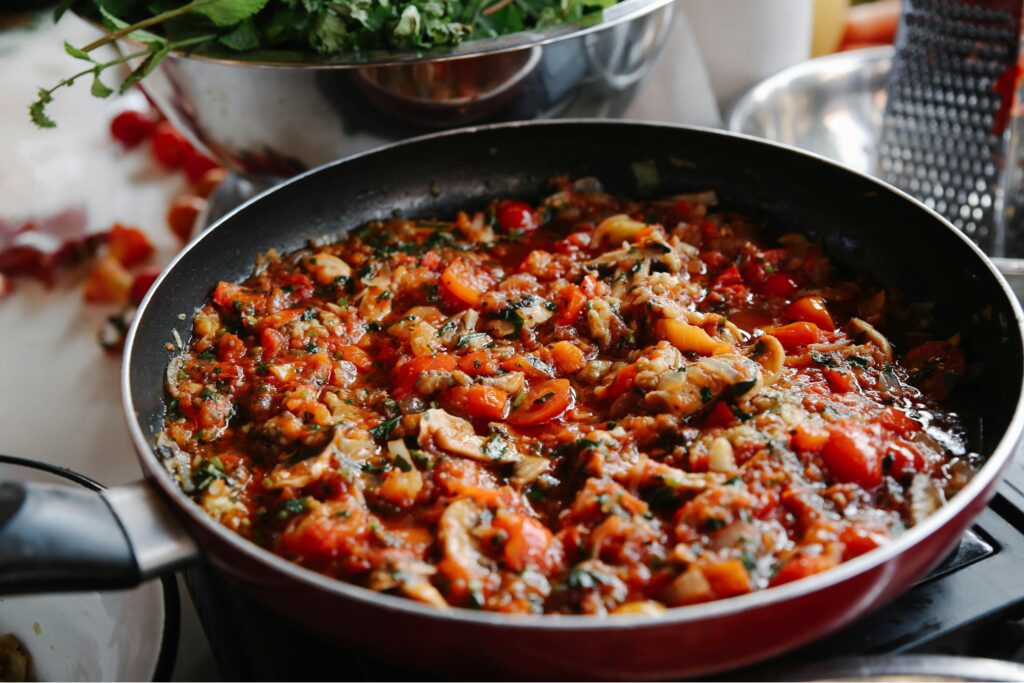
Ratatouille’s Provençal Roots
Ratatouille originated in Nice during the 18th century. Farmers combined summer vegetables in one pot. This vegetable medley celebrated seasonal abundance and simplicity.
Initially, peasants considered it everyday fare. However, modern chefs elevated its status significantly. For instance, refined presentations showcase individual vegetable layers.






The dish reflects Provençal sunshine and flavors. Moreover, it demonstrates French classics’ adaptability. Consequently, both home cooks and professionals embrace it.


Autumn equinox and how cooks rethink heat
The autumn equinox is not simply a date on a calendar. It is the moment when serious cooks across the...
Bread traditions and what they reveal
Bread traditions are among the oldest and most honest records of human civilization. From the grain a community grows to...
Conclusion: Preserving Culinary Legacy
French classics represent centuries of culinary evolution. These seven dishes demonstrate enduring appeal and heritage. Moreover, they continue inspiring chefs worldwide in 2026.

Understanding their history enriches every dining experience. Therefore, exploring these flavors connects us to tradition. Indeed, French classics remain essential to global cuisine.
Start cooking these iconic dishes at home today. Additionally, visit authentic French restaurants for inspiration. Your culinary journey through heritage awaits exploration.











Living away from my hometown for work, I really miss traditional, time-consuming meals. Reading how the French hold onto their culinary history is pretty cool. Makes me want to actually try cooking something authentic this weekend instead of the usual quick bite.
Spent two weeks driving through Burgundy last September stopping at small bistros and the variations on coq au vin between villages were honestly mind blowing. One place in Beaune used a young white wine, another near Dijon insisted on adding cognac at the end, and the grandmother running a tiny spot in Vézelay told me I was a tourist for asking what was in it. Loved every minute. Nice piece, brought back the trip vividly.