

Unique All Saints Culinary Traditions Across Europe
European countries celebrate All Saints with distinct food customs. Each region offers unique flavors and preparation methods. These differences reflect local history and available ingredients.
Poland serves traditional pączki donuts filled with rose jam. Families gather in kitchens to prepare these sweet treats. The aroma fills homes with warmth and nostalgia.

Meanwhile, Italian families prepare fave dei morti almond cookies. These “beans of the dead” honor ancestors through ancient recipes. Bakeries display them prominently during early November.
French Communities Honor All Saints Through Food
French traditions center around visiting cemeteries with chrysanthemums and special meals. Families prepare elaborate feasts after paying respects. These gatherings strengthen family bonds through shared cooking.
Brittany features kornigou, a butter-rich cake shaped like horns. Bakers craft these treats using centuries-old techniques. The golden pastries symbolize abundance and remembrance.

Furthermore, French households prepare soul cakes in some regions. Children once sang for these spiced treats door-to-door. Today, families enjoy them during intimate gatherings.

Spanish Culinary Traditions Vary Regionally for All Saints
Spain showcases remarkable regional diversity in November celebrations. Each autonomous community maintains unique culinary customs. These variations reflect Spain’s rich cultural tapestry.
Catalonia prepares panellets, small marzipan balls coated with pine nuts. Confectioners create colorful versions using different flavors. Markets overflow with these traditional sweets in Barcelona and beyond.





In contrast, Madrid families enjoy huesos de santo pastries. These “saint’s bones” feature marzipan tubes filled with sweet egg yolk. Pastry shops display artistic arrangements throughout the capital.
Galicia offers castañas asadas, roasted chestnuts sold by street vendors. The smoky aroma guides visitors through cobblestone streets. This simple tradition connects urban dwellers with agricultural roots.

Autumn equinox and how cooks rethink heat
The autumn equinox is not simply a date on a calendar. It is the moment when serious cooks across the...
Bread traditions and what they reveal
Bread traditions are among the oldest and most honest records of human civilization. From the grain a community grows to...
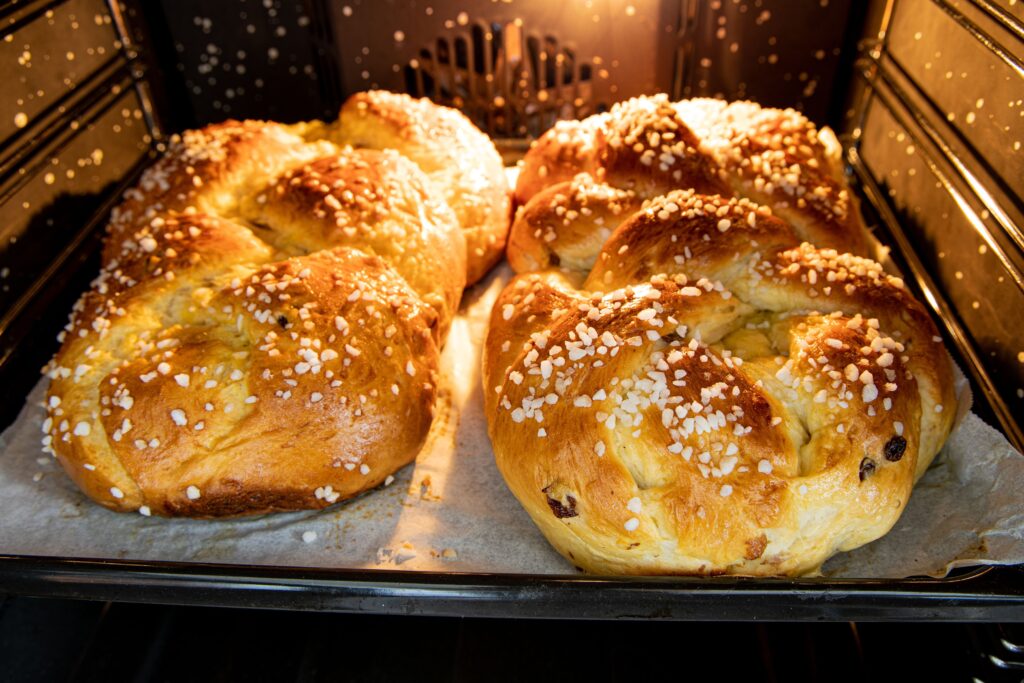
All Saints Traditions Unite Food Lovers
All Saints Day preserves European culinary heritage through meaningful traditions. These November celebrations connect food lovers with ancestral roots. Each dish carries stories passed through generations.

Therefore, exploring these traditions enriches cultural understanding significantly. Whether preparing Polish donuts or Spanish marzipan, participation honors history. Try recreating one traditional recipe this November to experience European heritage.

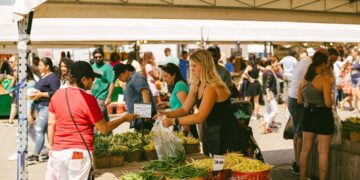







I love exploring local markets and trying different traditional foods whenever I get the chance, so this was right up my alley. It’s fascinating to see the specific pastries and dishes they make just for this time of year in Europe. Good read.
Lived in Siena for a year teaching English and never knew their pan co’ santi with walnuts and anise was tied to All Saints, I just thought it was a local autumn bread. Now I feel a bit foolish for not asking the baker more questions. The connection you drew between European pan de ánimas and Mexican pan de muerto was the highlight of the article for me, makes the whole tradition feel like one long thread instead of separate customs.