
A cooking timeline is the difference between a host who enjoys dinner and one who is still scrubbing pans when guests sit down. Most crowd dinners fail not from bad recipes but from an oven that runs out of space at the wrong moment. This guide breaks hosting for a dozen or more people into seven stages, each solving one specific bottleneck: freezer space, oven capacity, or the two-hour window food safety agencies set for holding hot dishes. Follow the stages in order and the last hour becomes reheating and plating, not improvising.
The seven stages below are not a general checklist. Each one marks a point where a crowd dinner actually breaks: the day the turkey must come out of the freezer, the day the oven calendar gets written, the two hours before guests arrive when temperature, not timing, becomes the risk. Skip a stage and its problem lands on you during the stage that follows.
Three weeks out: lock the menu and guest count
Write the guest list and the menu before buying anything. Finalize the menu and guest count, considering allergies, dietary restrictions and your guests' preferences before anything else gets planned. This is also the week to count ovens, racks, and serving dishes, since professional planning guides advise that you make certain you have all the equipment you need two to three weeks ahead of the day. Every stage that follows assumes these two decisions are already settled.
Two weeks out: fill the freezer before the fridge
Two weeks out, the freezer does more work than the fridge. Turkey gravy can be made and frozen as early as three months ahead, and rolls can be shaped and frozen unbaked up to a month before serving. Mashed potatoes can be frozen now too, and cranberry sauce and honey cinnamon butter belong on this week's list. None of this needs the oven on the day itself, which is the entire point.
One week out: write the backward oven schedule
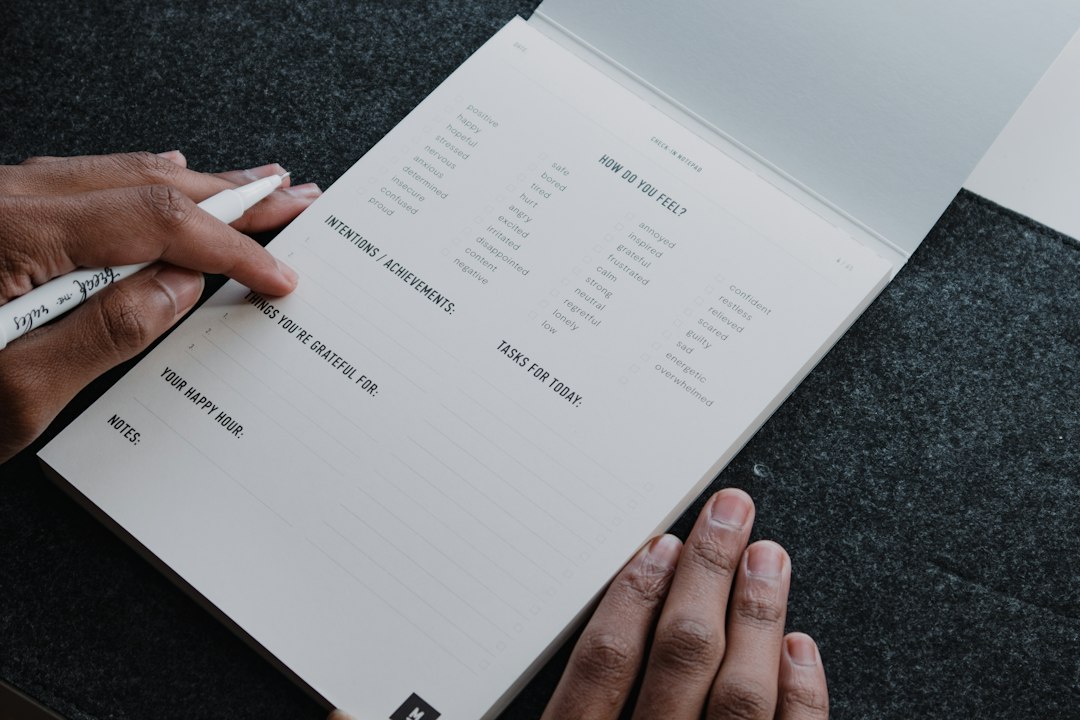
One week out, write the actual oven schedule. Write out the oven schedule, listing each dish, its temperature, how long it needs, and whether it stays covered, then tape it to the cabinet above the oven or the fridge. If there is only one oven in the house, build your oven schedule backward from dinnertime, and let the turkey's resting time free up the oven for sides. A written schedule turns a single oven into enough oven.
Three days out: start the thaw and the casseroles
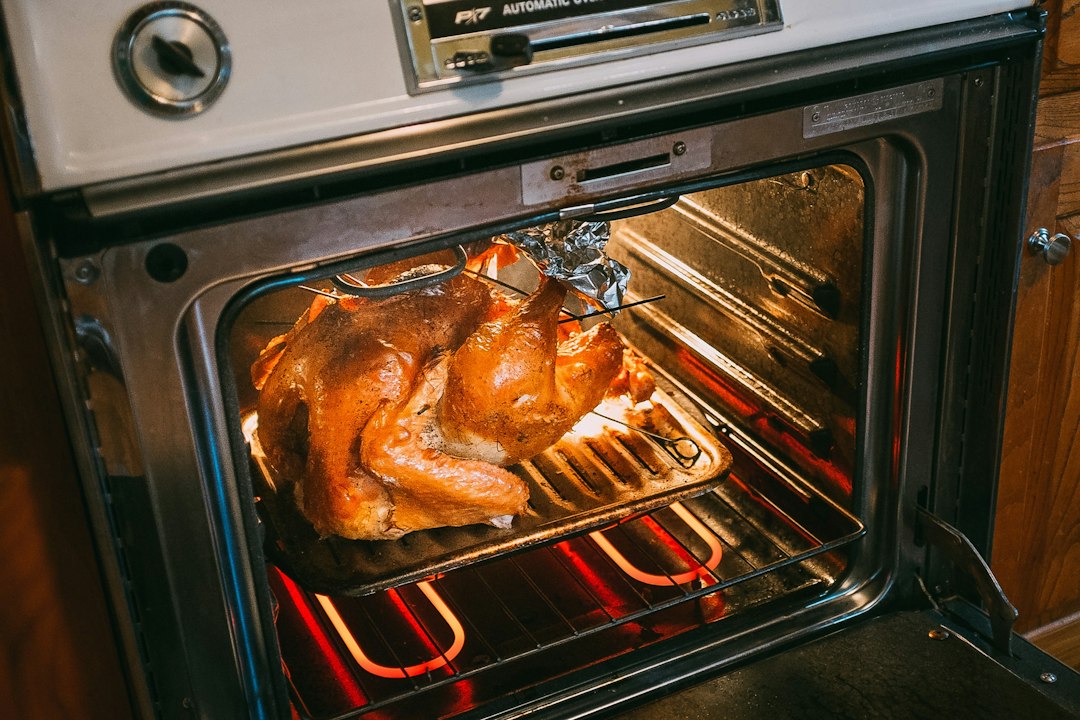
Three days out, move a frozen turkey from the freezer to the fridge. Start thawing a frozen turkey in the fridge about one day for every four to five pounds, and check this math earlier if the bird is large, since a 20 to 24 pound bird can need up to six days of thawing in the fridge. Most casseroles, cranberry sauce and mashed potatoes can be made one to three days ahead and refrigerated. This is the last comfortable day for heavy cooking before the gathering itself.
The day before: pies, dry brine and the fridge map
The day before, bake the pies, dry brine the turkey uncovered in the fridge, and prepare stuffing components separately. Stuffing can be baked completely and refrigerated to reheat the next day, or kept unassembled with wet and dry ingredients separate until cooking day. One rule holds regardless of method: don't stuff the turkey ahead of time. Map the fridge tonight too, so tomorrow's dishes have an assigned shelf instead of a scramble.
Morning of: stagger starts by vessel, not by dish
On the morning itself, the turkey goes into the oven first, following the schedule written a week earlier. Just before the turkey is done, begin cooking fresh vegetables so they reach the table hot instead of reheated twice. A slow cooker or two for a sauce or a side frees real oven space for dishes that actually need it. Staggering by equipment, not by which dish feels most important, is what keeps the morning calm.
The final two hours: hold, reheat and open the doors
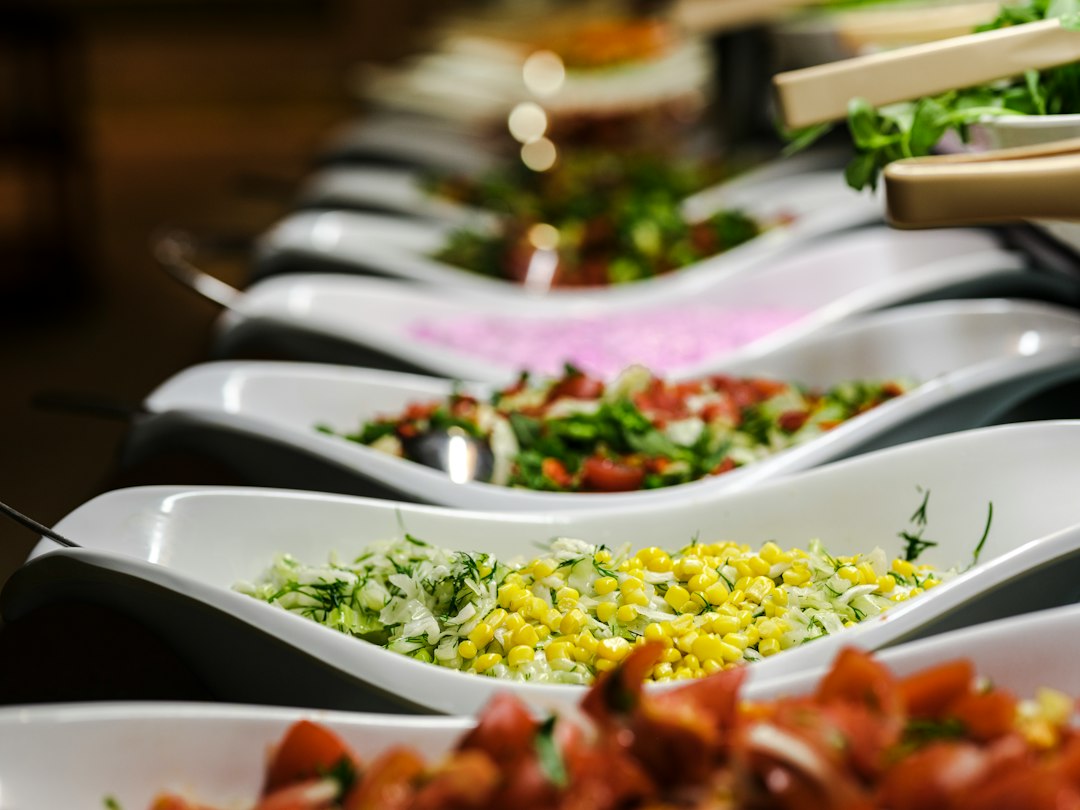
In the final two hours, temperature matters more than timing. Keep hot food at or above 140°F in chafing dishes, warming trays, or slow cookers once it leaves the oven, and never leave it out of refrigeration for more than two hours. Anything reheated from the fridge should reach an internal temperature of 165°F or until hot and steaming. Set a timer for the two-hour mark and the safety math takes care of itself.
How to choose the right timeline for your crowd
The seven stages apply to any size of gathering, but how hard you lean on each one depends on your guest count and serving style. A sit-down dinner for ten needs the oven schedule more than the freezer stage, since fewer dishes compete for space. A buffet for fifty needs the opposite emphasis: plan roughly one to one and a quarter pounds of total food per adult guest, split across six to eight ounces of cooked protein at a buffet with the rest in sides, bread, and dessert.
Past thirty guests, add a helper in the kitchen, since catering guides recommend one server per 25 guests for a buffet. If the group leans toward potluck, push more of the written schedule onto arrival times instead of oven slots, and ask contributors for dishes that travel well and don't need to warm in the oven. Whichever version you build, write it down two weeks ahead so nothing on the day has to be improvised.