Aged vinegar represents one of the most honest expressions of food culture on the planet, and it asks for very little space on your shelf.
Why patience produces the best flavors
For centuries, artisans have practiced the delicate craft of aging vinegar, transforming its raw acidity into a complex range of flavors. The process is simple in concept: time, oxygen, and wood do most of the work. The result, however, is something far removed from the sharp, one-note liquid most people keep near the stove.
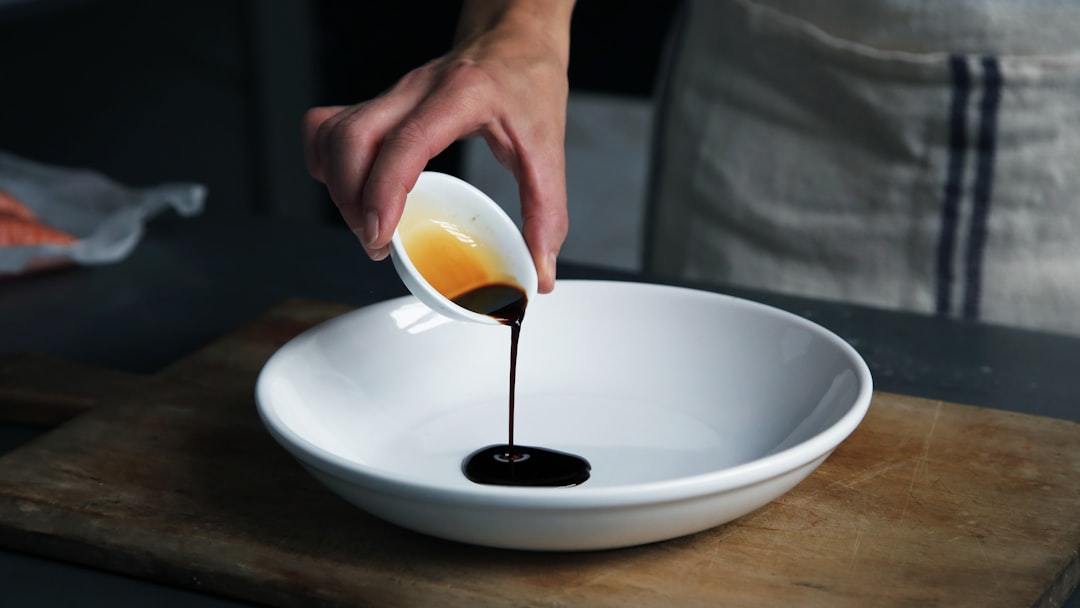
Time is the secret ingredient in vinegar aging. In balsamic vinegar, the years soften the sharpness and replace it with a complex sweetness. Sherry vinegar, another beloved variety, matures into a deep, nutty character with hints of caramel and vanilla. These are not subtle upgrades. They are entirely different products from their unaged cousins.

Fermented vinegars have been used for centuries, not just as a cooking ingredient but also as a natural remedy for digestion and overall well-being. As interest in functional foods grows, more people are discovering the benefits of traditionally crafted vinegars, which retain their natural enzymes, organic acids, and bioactive compounds. This combination of flavor and function is exactly what makes aged vinegar so valuable in any kitchen.
Aged vinegar traditions from 3 great regions
True Aceto Balsamico Tradizionale di Modena DOP is made from cooked grape must, aged for a minimum of 12 years, in a series of progressively smaller barrels made from different woods: oak, chestnut, cherry, mulberry, and ash. Each wood contributes something different to the final flavor. This is not a condiment. This is a living record of a place and its people.
Sherry vinegar from the denominación de origen in Jerez, Spain, occupies a different register entirely. It is aged in the same solera system used for sherry itself, a fractional blending method in which younger vinegar is continuously added to barrels containing progressively older product. The finest examples are aged for 25 years or more. The result connects directly to the wine culture of Andalusia.

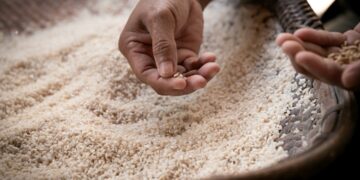
In Japan, kurozu ages over the course of several years, moving from a pale blonde to a deep burnt caramel color. Like Italian balsamic, kurozu comes in a range of ages. Some versions reach 7 years, and they carry a complexity that makes them ideal for finishing dishes rather than cooking. Japan and Italy have never spoken the same language, but their vinegar makers have arrived at the same conclusion: slowness is an ingredient.
The market confirms what cooks already know
The world is catching up. The global specialty vinegar market was valued at USD 2.2 billion in 2023 and is estimated to reach USD 2.6 billion in 2026. This growth is driven by increasing consumer demand for gourmet and natural food products, the rising popularity of health and wellness trends, and expanding culinary applications in both home cooking and professional kitchens.
The demand for balsamic vinegar specifically has surged by over 35% in the past 5 years, fueled by its use in salads, marinades, and health drinks. This is not a trend invented by food media. It reflects a genuine return to fermentation, tradition, and ingredients that carry real complexity. Home cooks and restaurant chefs are reaching for the same bottles.
Consumers are showing strong interest in infused, aged, organic, and craft varieties such as balsamic, apple cider, and fruit-based vinegars. The specialty shelf is no longer the quiet corner of the store. It is where the most interesting cooking begins.






Expert perspective on aged vinegar
Aged vinegar occupies a unique position in the global condiment market because it sits at the intersection of cultural identity and culinary function. A bottle of traditional balsamic from Modena or a well-aged sherry vinegar from Jerez is not simply a souring agent. It carries protected designation of origin status, regional craft knowledge, and decades of fermentation science. As premiumization continues to reshape the food industry, specialty vinegar producers who invest in long aging cycles and transparent sourcing are seeing sustained demand growth. Consumers are not only purchasing flavor. They are purchasing provenance, story, and the kind of complexity that mass production cannot replicate. This creates a durable competitive advantage for heritage producers and a genuine reason for home cooks to invest in quality over volume.
Industry perspective, specialty food and fermentation professionals
Aged vinegar and the Latin American kitchen
Latin American cooking has always understood the power of acidity. From the lime-heavy marinades of Peru to the fermented ingredients of Oaxacan mole, cooks across the region use acid not to overpower but to lift. Aged sherry vinegar is extremely versatile for one simple reason: its acid level. It has a lower acid level than red wine vinegar or white wine vinegar, making it ideal for many salads and complex sauces.
Chefs in Mexico City, Buenos Aires, and Bogotá are now incorporating aged balsamic and sherry vinegar into traditional recipes. They use a small amount to finish a bean stew, deglaze a pan of roasted chiles, or dress a ceviche that needs depth without more citrus. The result is not fusion for its own sake. It is an honest conversation between traditions.
Vinegar can be used in shrubs, non-alcoholic fruit-and-vinegar beverages, as a tangy natural preservative in fermented foods, or woven into everyday cooking such as salad dressings, marinades, soups, and braises. These applications fit naturally into Latin American cooking styles. The only thing missing, in many kitchens, has been the right bottle.
Aged vinegar belongs in every serious pantry
Aged vinegar rewards the cook who pays attention. A small amount changes the entire register of a dish. It adds fermentation depth, sweetness, and a finish that no synthetic additive can produce. These vinegars are not just about flavor. They bring centuries-old traditions into modern kitchens while supporting a healthier approach to cooking.
Start with 1 bottle of traditional balsamic from Modena and 1 bottle of aged sherry vinegar from Jerez. Add a kurozu if you can find it. Use them as finishing agents, not cooking liquids. You will spend less than you expect and gain more than you imagine. Aged vinegar is not a luxury for special occasions. It is a daily tool that makes every meal more alive. Explore a producer from a region that matters to you, and let the tradition speak for itself.
Discover more about aged vinegar
- Specialty Vinegar Market Report 2024, 2030 (Grand View Research)
- Vinegar Market Size and Global Demand Outlook to 2036 (Future Market Insights)
- The Boutique Black Rice Vinegar That’s Aged Like Balsamic (Saveur)