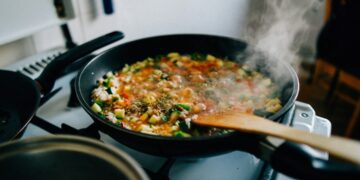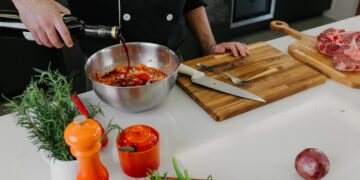
Adapt recipe ideas from across the world sit in your hands right now, waiting for your local pantry to bring them to life.
Understand the recipe before you change anything
Every recipe carries a story. Before you adapt recipe instructions or swap a single ingredient, read the whole recipe at least once. Note every unfamiliar item and write a short list. This preparation saves time and prevents mid-cooking surprises.
Next, research each unfamiliar ingredient. Ask what role it plays. Studying the intended role of the ingredient, whether structural, aromatic, or symbolic, offers insight into which substitutions maintain a dish’s integrity. An ingredient can add acid, fat, heat, or body to a dish. Know its function first, then search for a local equivalent.

Some ingredients have no close substitute. Some dishes rely on certain ingredients that have little to no true substitutes without altering the spirit of the recipe. In those cases, accept that your version will differ slightly. That is not a failure. It is cooking with honesty.
Map the flavor profile of the dish
Every cuisine builds on a core set of taste elements. A solid substitute strategy begins by closely replicating the original dish’s flavor profile and texture. This means evaluating the main taste elements, such as sweet, salty, sour, bitter, and umami, of the ingredient to be replaced. Write these elements next to each ingredient on your list.
Once you see the flavor map, local substitutes become easier to find. Home cooks may swap hard-to-find items for more accessible alternatives, such as using paprika in place of Aleppo pepper in Middle Eastern recipes. The same logic applies across every cuisine. A smoky local chili can replace a distant smoky one. A sharp local vinegar can stand in for an unfamiliar sour liquid.

Swapping similar cuts of meat, using alternative herbs, or replacing traditional produce can make recipes flexible without sacrificing the essence of the cuisine. Understanding flavor profiles and traditional techniques enables cooks to make informed choices, leading to successful substitutions that respect the original dish.
Build smart substitutions from your pantry
Your pantry is more powerful than you think. Spices, herbs, and seasonings are what bring dishes to life, but sometimes the ingredients you need are not always available, especially if you are working with recipes from another part of the world. Start with what you own before buying anything new.
Several practical swaps work across many cuisines. Coconut milk may replace heavy cream in a curry to suit vegans or lactose-intolerant individuals. Tamarind, a common souring agent in South Asian and Southeast Asian cooking, can be replaced by combining 5 parts ketchup and 1 part vinegar in a pinch. Galangal, used widely in Thai cooking, can be replaced with fresh ginger. These swaps are not perfect matches, but they preserve the spirit of the dish.
Textures also play a vital role. A cook might use pureed silken tofu as a stand-in for dairy cream to mimic its smoothness in soups and sauces. Furthermore, grasping the cooking properties of an alternative ingredient ensures that it behaves similarly under heat or when mixed with other components.
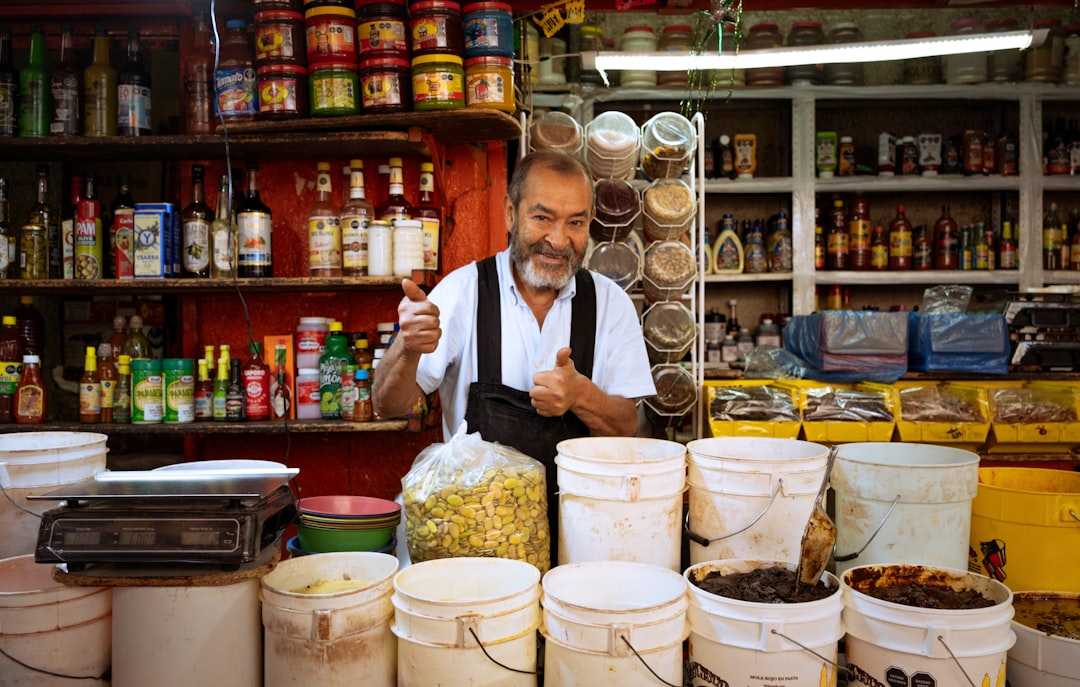
Expert perspective on cross-cultural cooking
When you adapt recipe from another culture, the most important thing is to understand what that ingredient means to the people who created the dish. Is it the main flavor? Is it a textural element? Is it tied to a memory or a season? Many home cooks focus only on taste, but texture, color, and even the symbolic weight of an ingredient all matter. If you replace palm sugar with maple syrup, you change not just the flavor but the story you are telling. Good adaptation is honest adaptation. It says: I respect the original, and I am cooking it where I live, with what I have. That honesty produces better food and a more genuine connection to the culture you are exploring.
Industry perspective, culinary arts and cross-cultural food education professionals
Respect the culture, not just the flavor
Culinary traditions are deeply tied to a region’s history, culture, and resources. Authenticity in cooking is valued both for taste and for preserving cultural heritage. Each cuisine often features a unique combination of ingredients that reflects local climate, agriculture, and trade influences. When you adapt recipe techniques from another culture, carry that awareness with you.
Substituting ingredients can affect more than flavor. It may impact texture, color, or even cultural symbolism. For example, the choice of rice in Japanese or Italian cuisine is not only about taste but tradition. Understanding these meanings can help guide respectful substitution choices.






Research the origin story of the dish. A quick search often reveals why a specific ingredient is central. That knowledge helps you decide whether a substitution serves the dish or undermines it.

Conclusion: your local pantry is a global kitchen
To adapt recipe ideas from other cultures, you need curiosity, preparation, and respect in equal measure. Start by reading the full recipe, map the flavor profile of each key ingredient, and then search your local pantry for the closest match. Accept that some results will differ from the original, and celebrate that difference as part of the cooking process.
Every cook who adapts recipe techniques across cultures adds a small thread to the world’s culinary conversation. Your kitchen, wherever it is, belongs in that conversation. Cook with confidence, cook with respect, and keep exploring.
Discover more about adapt recipe
- FAO Sustainable Gastronomy Day: cooking with local ingredients and cultural diversity
- A Survey on Food Ingredient Substitutions: research overview from the University of South Carolina
- Creating a substitute strategy for every cuisine: practical tips for global home cooking