Understanding fermentation basics opens doors to authentic Asian flavors at home. Moreover, traditional methods create healthy, probiotic-rich foods that transform simple ingredients. Therefore, learning these techniques connects you to centuries of culinary wisdom while boosting your kitchen confidence.
What Makes Fermentation Basics Essential for Asian Cooking?
Fermentation basics form the backbone of Asian cuisine. Indeed, cultures across Japan, Korea, Indonesia, and China have perfected these methods over millennia. The process transforms soybeans, grains, and vegetables into complex flavors.

Additionally, fermentation increases nutritional value through beneficial bacteria. These probiotics support gut health while enhancing taste. Furthermore, fermented foods last longer without refrigeration, making them practical pantry staples.
For instance, miso production begins with koji cultivation. This fermented rice starter contains Aspergillus oryzae mold. Consequently, koji breaks down proteins and starches into savory compounds.

How Does Miso Production Work in Japanese Kitchens?
Miso starts with steamed soybeans and koji rice. First, crush the cooked beans into a paste. Then, mix them with koji and salt at specific ratios.
The fermentation period varies by type. White miso ferments for weeks, creating mild sweetness. Meanwhile, red miso ages for months, developing robust depth.
Temperature control matters significantly during fermentation. Keep your mixture between 60-75°F for best results. As a result, beneficial bacteria thrive while harmful organisms stay dormant.
Why Is Tempeh Different from Other Soy Products?
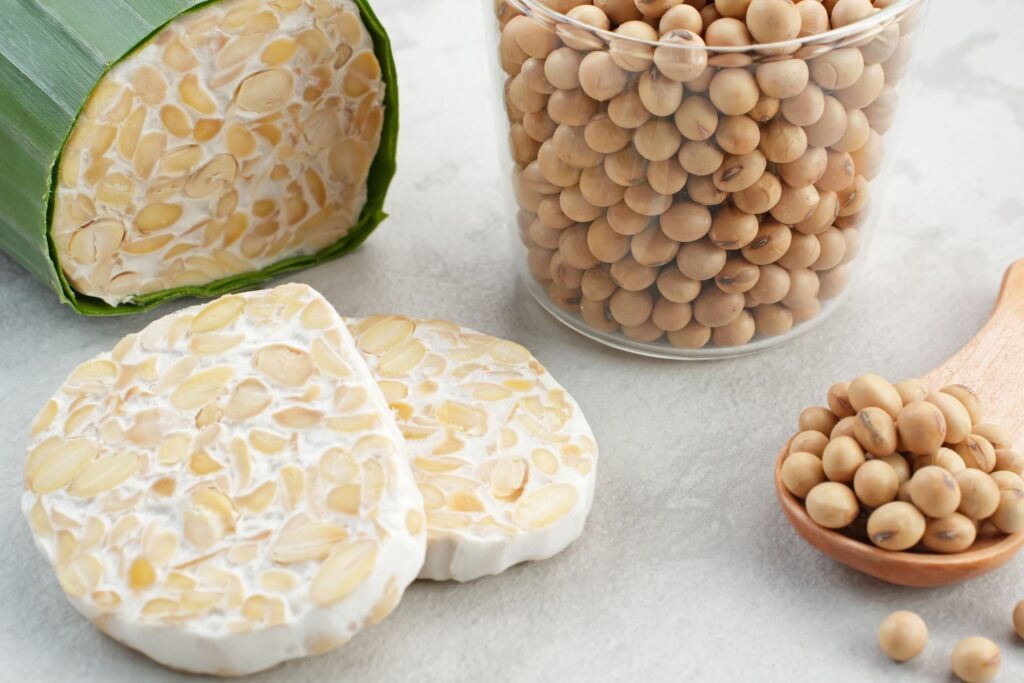
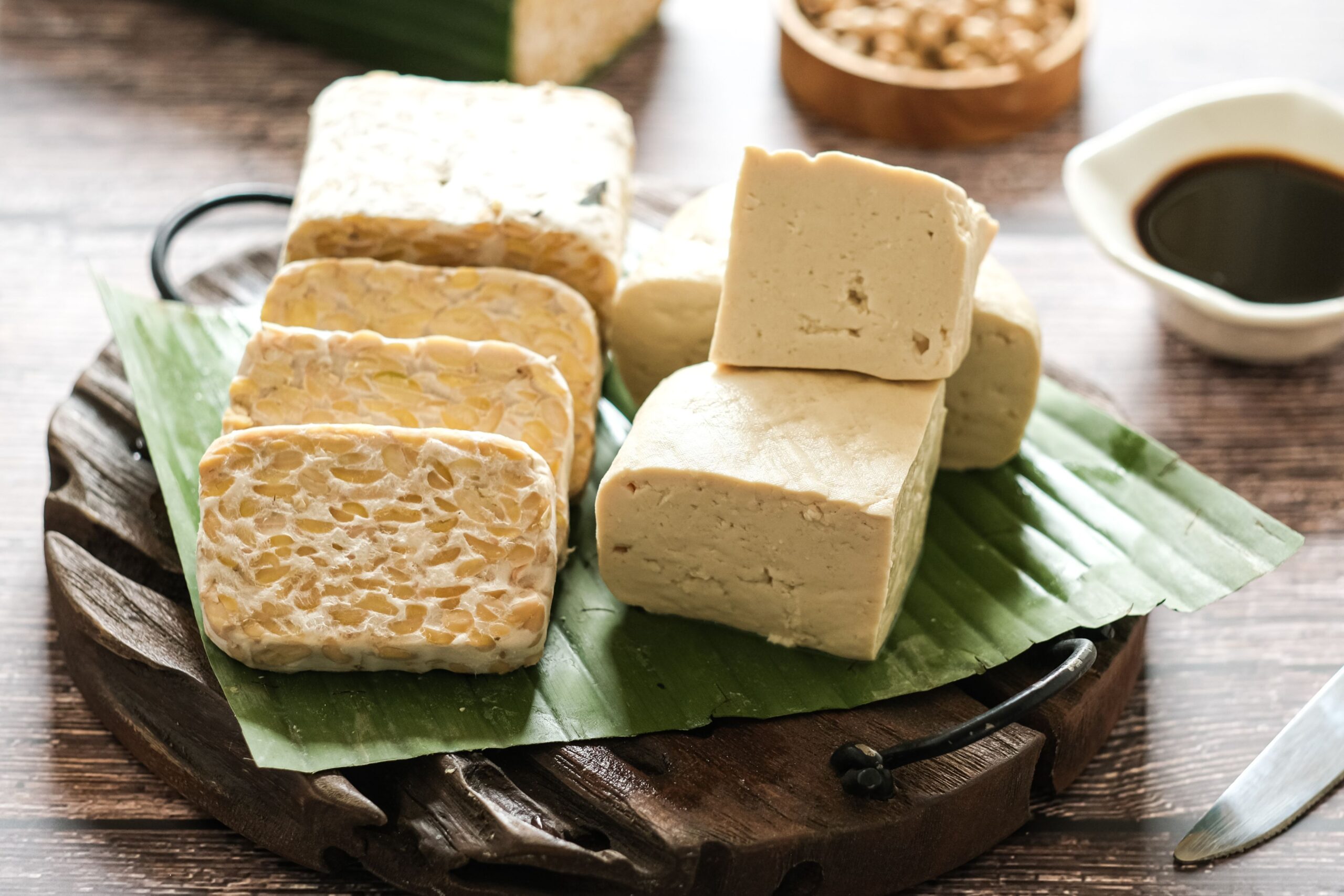
Tempeh uses whole soybeans bound by white mold. Specifically, Rhizopus oligosporus creates this Indonesian staple. The process differs completely from miso fermentation basics.
Start by soaking and partially cooking soybeans. Next, inoculate them with tempeh starter culture. Pack the beans into perforated containers for air circulation.
Within 24-48 hours, white mycelium forms. This creates a firm, sliceable cake with nutty flavor. Moreover, tempeh contains more protein and fiber than tofu.
Real Success from Home Fermentation
Maria Chen, Food Blogger, Singapore
“I struggled with store-bought miso prices initially. The flavors never matched authentic recipes I remembered. Therefore, I started making fermentation basics at home with koji.”
“My homemade miso saved 60% on costs. The taste improved dramatically in my cooking. Furthermore, I now make tempeh weekly for meal prep.”
Beer Workshop Success in 7 Simple Steps
Planning a Beer Workshop combines two popular passions into one memorable event. Additionally, pairing craft brews with live music creates...

Friday the 13th: Foods Every Foodie Must Try
Friday the 13th is a gift for foodies who love food with a story. This date connects myth, culture, and...

Culinary Facts: 50 Expert Chef Insights
The world of cooking holds countless secrets shared by professional chefs daily. These culinary facts reveal techniques that transform ordinary...

International Restaurant & Bar Expo 2026: Kazakhstan HoReCa Hub
International Restaurant & Bar Expo transforms Astana into Central Asia's premier hospitality destination. From June 16-18, 2026, industry leaders gather...
Where Can You Source Quality Koji Starter?
Koji availability has expanded significantly by 2026. Online retailers ship fresh and dried cultures worldwide. However, quality varies between suppliers considerably.
Look for organic, non-GMO options from reputable sources. Japanese brands like Marukome offer reliable starter cultures. Additionally, local Asian markets often stock fresh koji refrigerated.
Store dried koji in airtight containers away from moisture. Fresh koji lasts two weeks refrigerated properly. Consequently, buying in bulk makes economic sense for regular fermentation.
Which Fermentation Basics Should Beginners Master First?
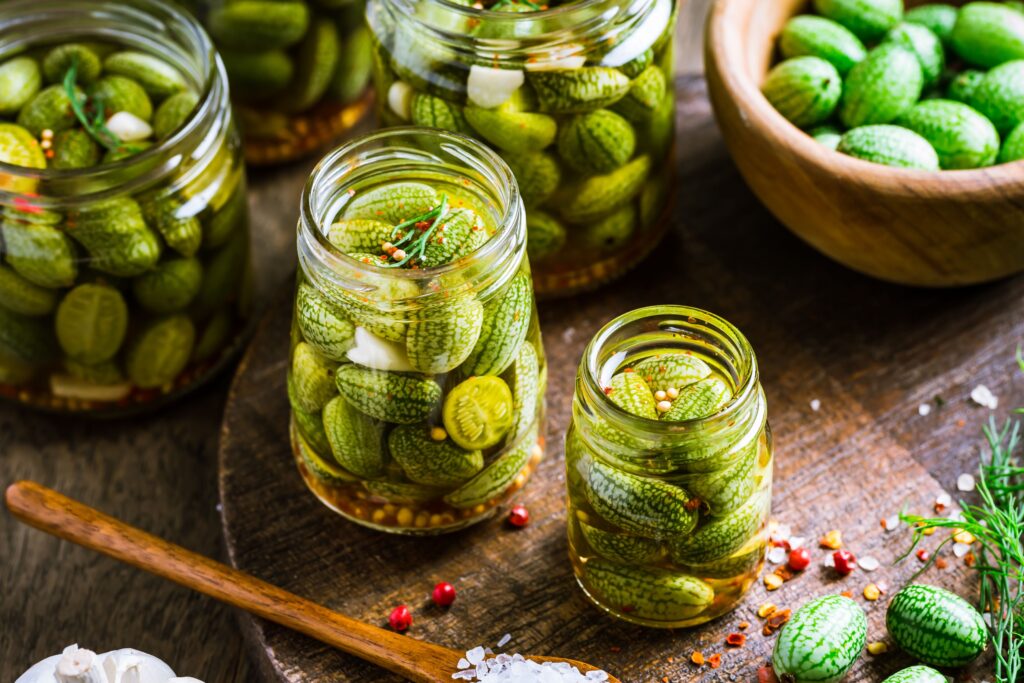
Start with simple sauerkraut or pickles before miso. These require less equipment and shorter timelines. Nevertheless, they teach fundamental fermentation basics effectively.
Move to koji cultivation after mastering vegetables. Growing your own koji reduces costs substantially. For example, one batch ferments multiple pounds of beans.
Tempeh represents an intermediate skill level for homecooks. The process moves quickly but demands attention. Although mistakes happen, results are usually edible regardless.
Conclusion: Your Fermentation Journey Starts Now
Mastering fermentation basics transforms your cooking with authentic Asian flavors. These ancient techniques create probiotics-rich foods that nourish body and soul. Furthermore, homemade miso and tempeh cost less than commercial versions.
Start experimenting with koji and simple recipes today. Your kitchen becomes a laboratory of delicious possibilities. Therefore, embrace these fermentation basics and discover culinary traditions that span continents.
Ready to begin your fermentation adventure? Gather koji starter, soybeans, and patience. The results will exceed your expectations remarkably.