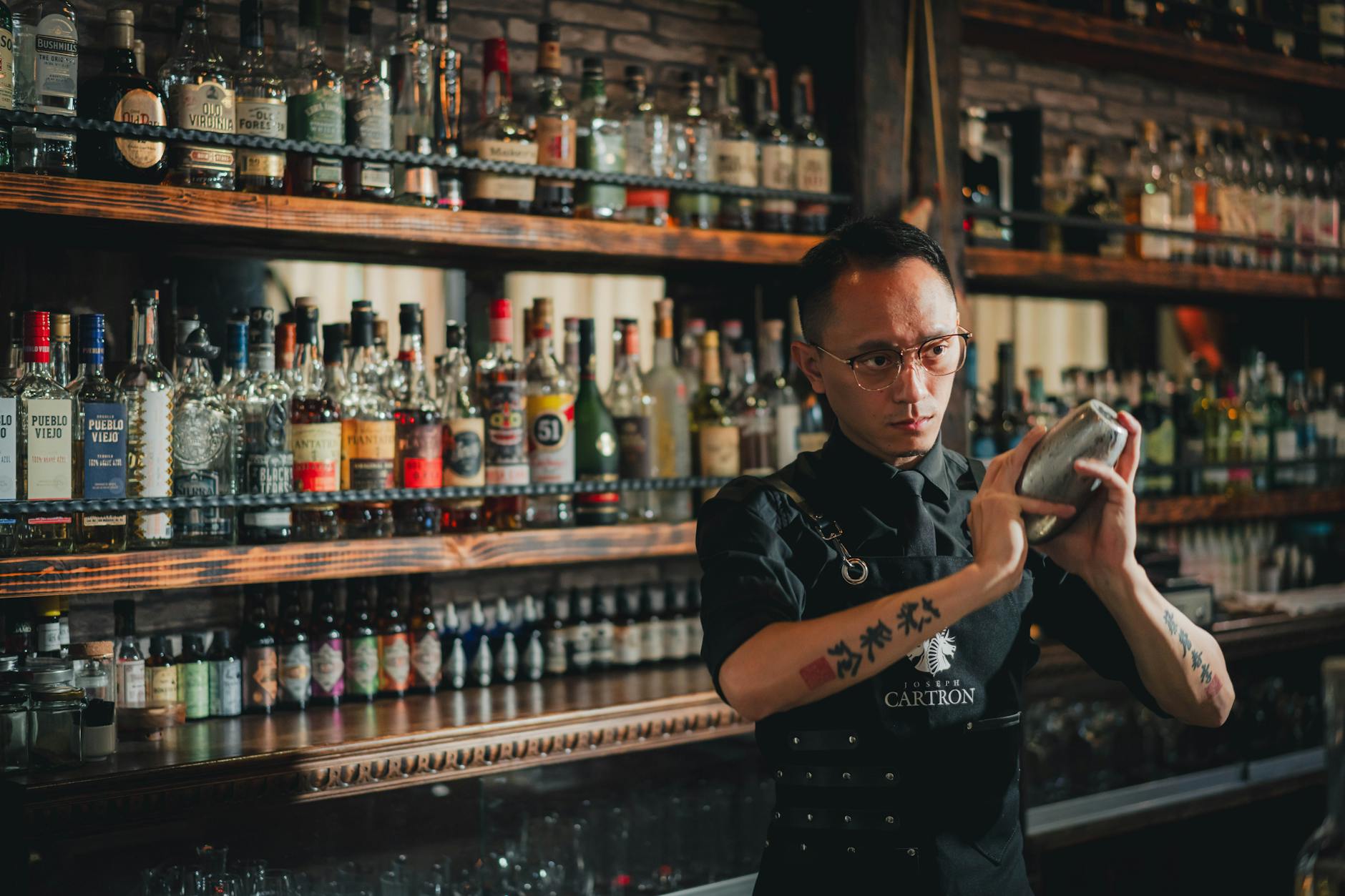
Mixology training is something most restaurants plan to do and few actually build into the fabric of how a kitchen runs, yet the bars and restaurants that treat it as a living discipline, not a one-day event, are the ones guests keep returning to.
Why a cocktail program needs real structure
A restaurant’s cocktail program carries more weight than many operators expect. 7 in 10 consumers who drink beer, wine, or cocktails say the availability of alcohol beverages makes them more likely to choose one restaurant over another. That number should shift how beverage directors think about investment in their teams.
The problem is that most programs start with a menu and skip the foundations. Bartenders learn recipes in isolation. They do not learn why a drink works, so they cannot fix it when something is wrong. Mixology training built on technique and flavor logic gives staff the tools to adapt, not just repeat.

A well-designed course covers how to cost drinks based on the needs of each establishment, alongside the craft skills that make drinks worth buying. Both sides of that equation matter. A cocktail program that loses money quietly poisons the rest of the operation.
Mixology training begins with technique and flavor
Technique is the foundation of any serious cocktail program. Students learn to prepare classic and contemporary cocktails, mastering essential methods such as free pouring, jiggering, and layering. These are not shortcuts. They are the physical language of consistency, and consistency is what turns a first visit into a regular habit.
Flavor understanding matters just as much. A strong program covers all the different types of ingredients and products used behind the bar, their flavor profiles, and how to work with them in cocktails. When a bartender understands flavor structure, they can balance a drink by instinct rather than by measurement alone. That skill is what separates a competent bartender from a confident one.

Then there is the seasonal dimension. Mixology classes that go beyond the basics teach staff how to craft cocktails that reflect the flavors, moods, and ingredients of each season. For a restaurant rooted in local produce, this is not a luxury. It is the whole point.
How certification raises the standard for the whole team
Certification is often misunderstood. It is not about giving a bartender a document. It is about creating a shared standard inside a team. Certification is widely recognized in the hospitality industry as a mark of excellence, covering mixology fundamentals including alcohol types, properties, basic ingredients, techniques, and responsible alcohol service principles.
Responsible service is part of that standard. Mandatory alcohol awareness training is legally required in many states and is commonly known by acronyms such as RBS, TABC, or MAST, each focused on responsible beverage service and safety. A restaurant that trains for both craft and compliance builds a team guests can trust.
The WSET (Wine and Spirit Education Trust) offers spirits certifications from beginner to expert level and is ideal for bartenders or hospitality professionals looking to deepen their knowledge across wine and spirits. Programs like this give ambitious staff a clear direction for growth and give managers a way to recognize genuine skill development.
Expert perspective on mixology training in hospitality
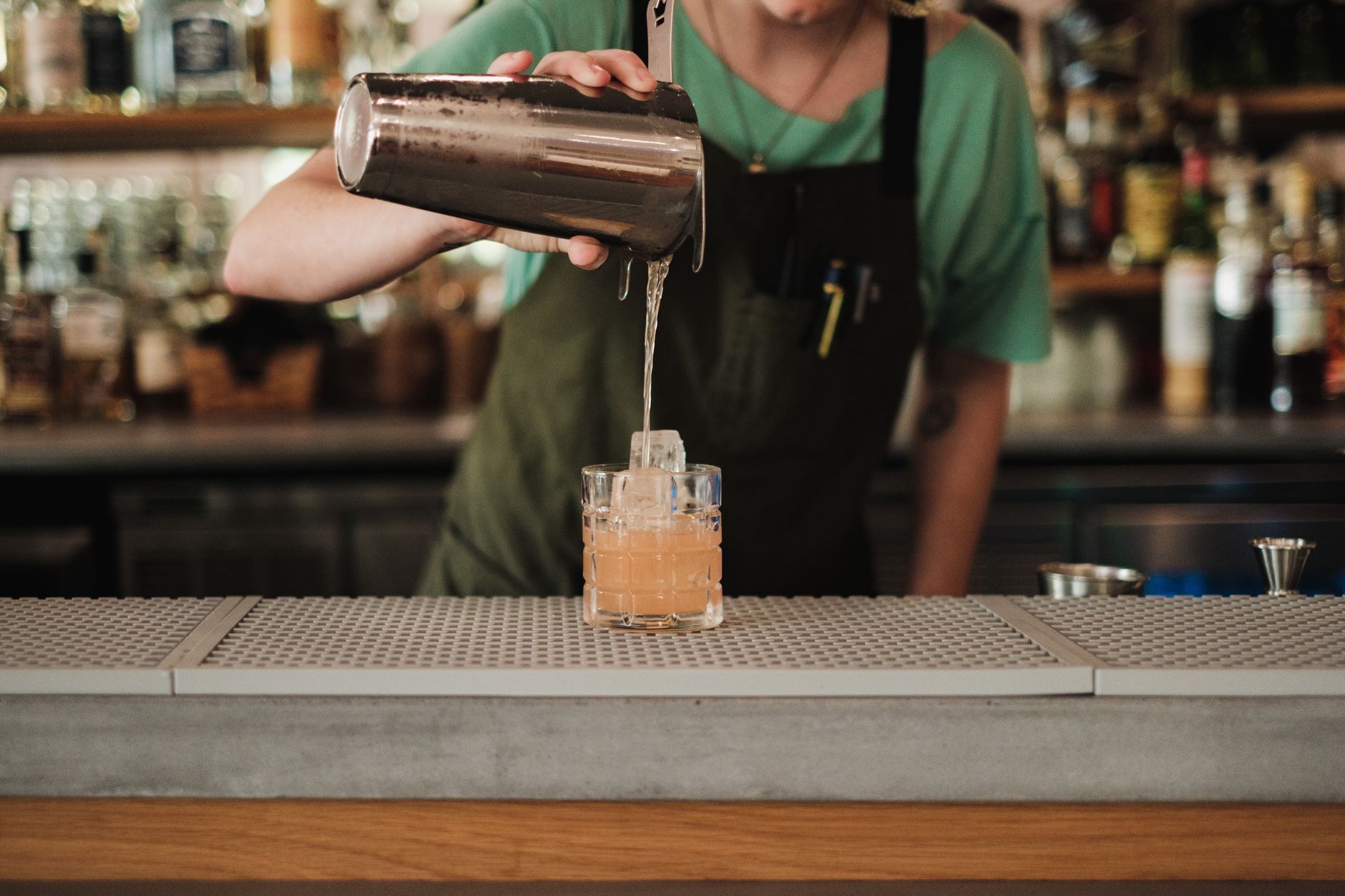
A strong mixology training program inside a restaurant does not begin at the bar. It begins with the philosophy of the kitchen. When a chef and a beverage director share a language around seasonality, sourcing, and balance, the cocktail menu becomes an extension of the food, not an afterthought. The best programs we observe train bartenders to taste ingredients the way a cook tastes a sauce: with curiosity, not formula. Technique matters, of course, shaking, stirring, dilution, temperature. But technique without flavor intuition produces predictable drinks. The most memorable cocktail programs we see are built on a foundation of genuine mixology training, renewed with each seasonal shift, and led by someone who communicates the reason behind every decision, not just the recipe.
Industry perspective, beverage education and hospitality training professionals
Responding to what guests actually want
Guest behavior is shifting, and a good cocktail program must respond. Mindful drinking has led to the emergence of 2 new beverage categories: low-alcohol offerings and mocktail alternatives. Mixology training that includes these categories prepares staff to serve all guests well, not only those who order spirits.






With 82% of bar and restaurant respondents offering at least a few non-alcoholic cocktails on their menus, these beverages have become a staple rather than a novelty. Staff who understand flavor and technique can build non-alcoholic drinks with the same care they give a classic cocktail. That care shows.
Operators are balancing cost management with creative marketing and menu innovation, using trends that drive both customer satisfaction and revenue growth. Mixology training sits at that intersection. It is a practical investment in both quality and profitability.
Building the program step by step
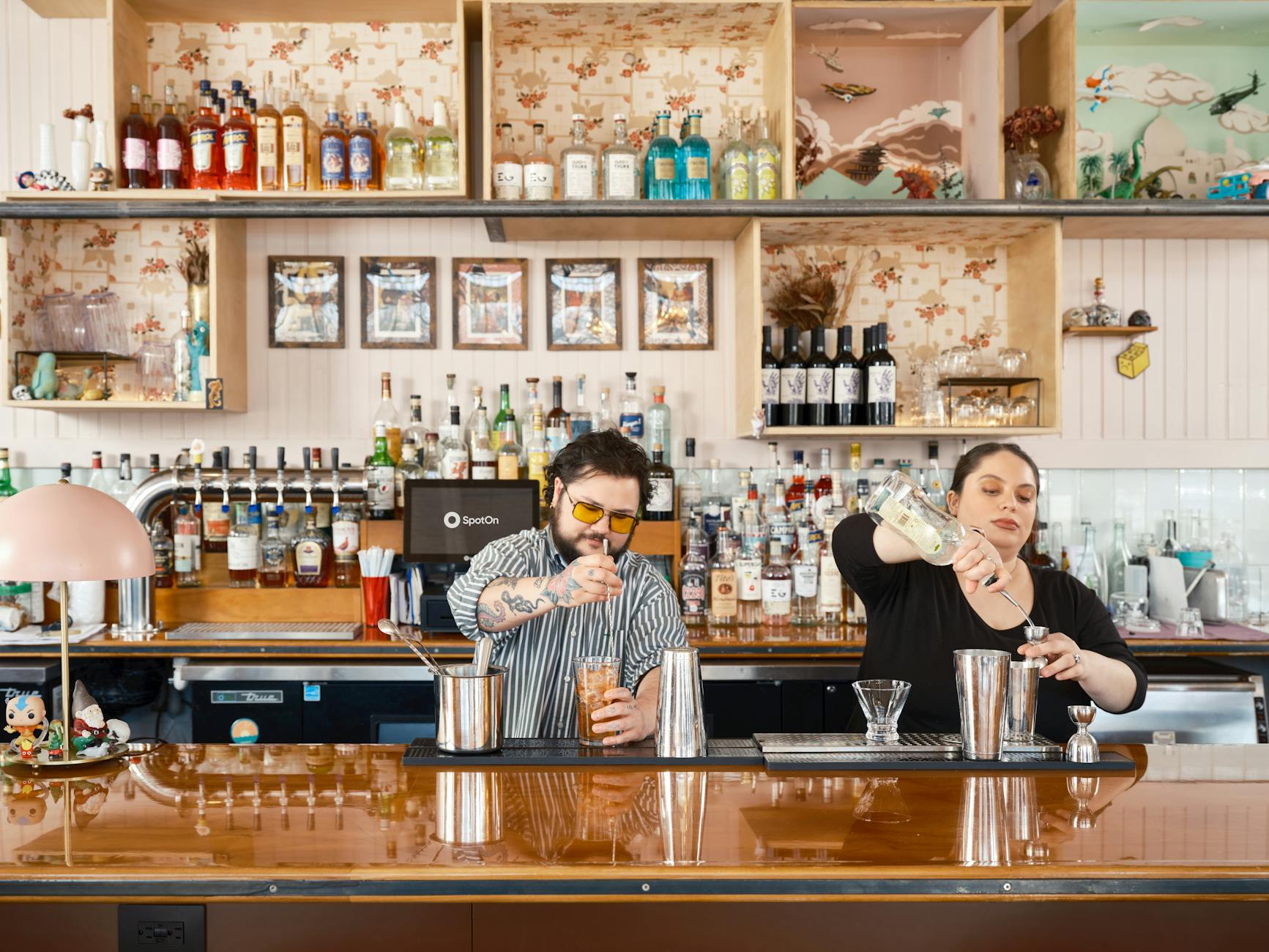
A restaurant does not need to redesign everything at once. Start with technique and flavor, then layer in certification, then introduce seasonal rotation. One structured approach is a multi-week course that moves students from techniques and classic cocktails through to bar management skills and recipe development. That sequence works because each stage builds on the one before.
Sponsoring staff bar education is an affordable way to engage and inspire a team about the cocktail program. Even a modest investment in mixology training signals to staff that their craft is valued. That signal reduces turnover and builds pride in the work.
Batching and standardization also belong in any training plan. Batched cocktails are among the most profitable options for high-volume service, reducing labor while ensuring consistency and allowing staff to serve quality drinks quickly during peak hours. Training staff to understand why a batch works, not just how to pour one, keeps quality high under pressure.
Mixology training as a long-term investment
Mixology training is not a cost. It is the mechanism through which a restaurant earns the right to charge for quality. A cocktail program built on trained staff, clear technique, real flavor knowledge, and honest seasonal rotation tells guests something true about the restaurant.

Alcohol beverages are no longer the sidekick on restaurant menus. Done correctly, they can match or even exceed food as a restaurant’s point of difference for consumers. That potential only becomes real when the team behind the bar has received genuine mixology training. Invest in that training now, build it into every season, and the cocktail program will carry its own weight for years ahead.
Discover more about mixology training
- WSET Wine and Spirit Education Trust: Spirits Qualifications
- National Restaurant Association: Beverages as a Revenue Driver
- Bar and Restaurant Magazine: 2025 State of the Industry Survey