How do you price a dish so it still makes money once the invoices arrive? Many kitchens set prices by habit, copying last year's board or matching the bistro across the street. Priced this way, a menu rarely survives a bad harvest, a rent review or a sudden supplier increase. The real question is not what a plate should cost the guest, but what it must earn once ingredients, labour and rent are paid. Two numbers answer that: food cost percentage and contribution margin.
Start from food cost, not guesswork
Every price begins with the cost of the plate itself. Food cost percentage equals food cost divided by selling price, multiplied by 100, while contribution margin equals selling price minus food cost. The two numbers sound similar but answer different questions, one in percentage, the other in hard currency.

A simple burger makes the method concrete. One supplier breakdown costs a sesame bun, a spoon of sauce, two slices of cheese and two slices of tomato, and adding the values for each ingredient gives a food cost per serving of £3.65. Against a menu price of £14.40, subtracting that £3.65 leaves a contribution margin of £10.75. That single burger now tells the kitchen exactly how much cash it banks per sale, not just how lean the dish looks on paper.
Targets differ by the room you run. Quick service restaurants typically aim for a 20-25% food cost, casual dining for 25-30%, and fine dining for 30-35%, reflecting how much each segment can charge for the same proportion of ingredient spend. Across the wider trade, operator data from the National Restaurant Association puts the industry median food cost at 32.4% of sales for full-service restaurants. A fine dining room can run a higher percentage than a quick service counter and still protect its margin, because the price itself is higher.

Let contribution margin set the real price
Percentage alone can flatter the wrong dish. Compare a ribeye priced at $40 with a $16 cost, against a pasta alfredo priced at $22 with a $5.50 cost. The ribeye carries a 40% food cost against the pasta's 25%, yet the ribeye still delivers a $24 contribution margin compared with the pasta's $16.50. The pasta looks leaner by percentage, but the steak puts more actual money in the till.

Professional kitchens solve this by setting contribution margin goals per course rather than per menu. Many restaurants establish target contribution margins for different categories: appetizers might aim for 75%, entrees for 65%, and desserts for 80%. Working backwards from that target turns pricing into arithmetic rather than instinct. A new seafood pasta with $7 in variable costs, priced to hit a 70% contribution margin, needs a selling price of $7 divided by 0.30, which comes to $23.33. The chef sets the dish, the sheet sets the price.
Why a low food cost percentage can mean less profit
The most common error in a kitchen office is chasing the lowest percentage on the sheet, assuming it signals the most profitable dish. A classic textbook comparison shows why that assumption fails. A chicken dish costing $4.50 and selling for $16.50 carries a 27% food cost and a $12.00 contribution margin, while a steak costing $9.00 and selling for $24.00 carries a 38% food cost but a larger $15.00 contribution margin. The steak looks worse on the percentage column and better on the bank statement.
Chasing the percentage down can also cost more than it saves. One operator switched hand cut chips for frozen ones on a burger plate specifically to improve the dish's contribution margin by $0.75. The food cost improved in the short term, but online reviews soon mentioned "generic, soggy fries," and repeat visits dropped by 10%. A healthier number on the costing sheet is worth little if it quietly empties the dining room.






The price on the page changes what guests order
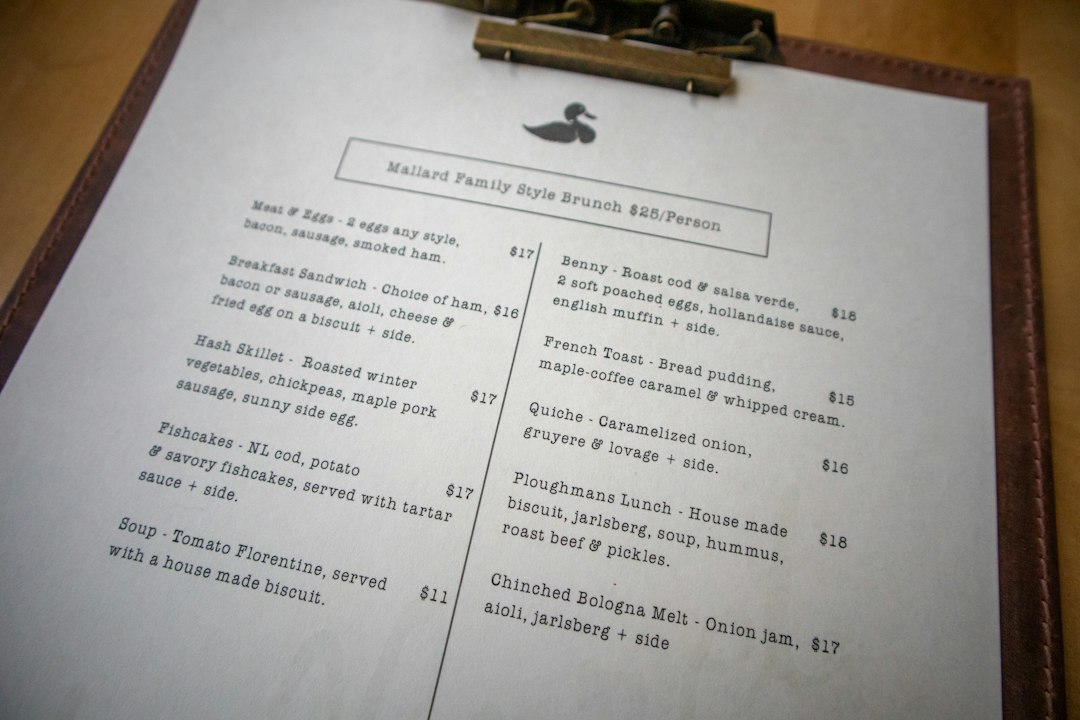
Pricing a dish correctly is only half the work, because how that price appears on paper changes what guests choose. Researchers at the Culinary Institute of America and Cornell's School of Hotel Administration tested this directly. They ran the study in 2007 at the CIA's on-campus St. Andrew's Café, giving lunch guests one of three menu formats at random.
Diners who received menus without a dollar sign spent an average of $5.55, about 8 percent, more than those who saw conventional pricing. The researchers' explanation concerns psychology rather than arithmetic: "references to dollars, in words or symbol, reminds people of the 'pain of paying.'" Strip the currency symbol away, and the number on the page reads more like a quantity than a cost.
The effect is not universal, and context decides whether it helps or confuses a guest. It works best on descriptive, well-designed menus where dishes have substantial copy and the price sits at the end of a description line. A minimalist, right-aligned price column with no supporting text risks the opposite effect, leaving a bare number that reads as unclear rather than inviting.
What this means in practice
Start by costing every ingredient a dish actually uses, down to the oil in the pan and the garnish on the rim, since adding every ingredient including sauces, garnish and portion waste, then dividing by the number of servings, gives the true food cost per plate. Calculate both numbers for every dish on the board: the percentage to check it sits within your segment's range, and the contribution margin in actual currency to see what it banks. Set separate margin targets for starters, mains and desserts rather than one blanket figure, since a dessert and a steak do not carry the same cost structure.
Review the whole exercise every quarter rather than once a year, because ingredient costs shift and prices need checking against the current market rather than last season's sheet. Resist the temptation to defend a margin by quietly downgrading an ingredient, since guests notice a soggy chip or a thinner cut faster than they notice a price rise. In most European dining rooms the price on the page already includes VAT, so the figure a guest reads is the figure they pay, which makes clean, considered pricing even more important at the point of print.
Learn more about menu pricing
- Diners spend more when menus don't use dollar signs
- Restaurant Menu Pricing Strategy: How to Price Restaurant Menu Items
- The Principles of Menu Engineering