
Gluten-free Paris works better than most visitors expect, because EU allergen rules create a solid baseline for celiac diners before they even sit down at the table.
Why Paris suits celiac travelers
Paris ranks among Europe’s most gluten-free-friendly cities. The city holds the number 8 position globally for gluten-free dining, with 54 dedicated venues including 25 restaurants and 31 bakeries. That number continues to grow.

Behind the traditional boulangeries, a vibrant community of restaurants now crafts exceptional gluten-free cuisine, and the French capital has transformed into a place where dietary restrictions do not compromise culinary quality. This shift matters practically.
Gluten-free awareness in France has grown fast, driven by better medical diagnoses, wellness trends, and changing habits among locals and tourists. Sales of gluten-free products are up nearly 40%, and it shows in everyday life.
The EU regulatory foundation you can rely on
Before you book a table, understand the legal structure that protects you. Commission Implementing Regulation (EU) No 828/2014 sets harmonised requirements for information on the absence or reduced presence of gluten in food, and specifies the conditions under which foods may be labeled “gluten-free” or “very low gluten.”

The EU defines “gluten-free” through this regulation, with strict thresholds: products labeled “gluten-free” must contain less than 20 parts per million of gluten. This standard applies to packaged items and restaurant food alike.
Allergen information is mandatory for non-prepacked food, including in restaurants and cafes, and the same labeling requirements apply for online, distance-selling, and in-store purchases. When a Paris bistro marks a dish “sans gluten,” that term carries legal weight across all EU member states.
How to read a Paris menu if you are celiac
The phrase “sans gluten” is your first filter. When dining out, use the phrase “sans gluten” and clarify if you have a strict “allergie” rather than a preference. Most high-end restaurants are now accustomed to these requests, and a polite heads-up when booking is always appreciated.
Many traditional French dishes, such as slow-cooked stews and seafood platters, are naturally gluten-free. Always check the sauces, as some older recipes may still use flour as a thickening agent. Ask directly. Staff at dedicated venues will know the answer.
Cross-contamination is the main risk in mixed kitchens. The best venues treat celiac-safe cooking as a creative challenge rather than a limitation, and their cross-contamination protocols are thorough, making them a genuine safe option for celiacs.

Expert perspective on gluten-free dining in Paris
Parisian chefs have moved past the idea that gluten-free means compromise. The better bistros now treat allergen protocols as part of their professional standard, not an exception for difficult customers. You see dedicated fryers, separate prep surfaces, and staff who understand the difference between a preference and a medical need. The EU labeling framework gives diners a legal baseline, but the real progress is cultural. Chefs across the city now see gluten-free cooking as a test of skill. That shift produces better food for everyone at the table.
Industry perspective, food safety and allergen compliance professionals in the Paris hospitality sector
8 gluten-free Paris bistros worth your reservation
1. No Glu (1st arrondissement). What began as a quest to create genuinely good gluten-free bread has grown into a full culinary experience. The team approaches celiac-safe cooking as a creative challenge, innovating with different flours and techniques.
2. Café Pimpin (Montmartre, 18th arrondissement). The owner has a personal connection to gluten-free cooking, having adapted family recipes following her own diagnosis with celiac disease. The menu celebrates French comfort classics reimagined without gluten.
3. La Florimond (7th arrondissement, near Eiffel Tower). This bistro serves traditional French cuisine and is well-rated by the celiac community for its dietary understanding. The menu is clearly marked for gluten-free options, and the restaurant offers gluten-free bread and a dedicated fryer.
4. Little Nonna (17th arrondissement). Little Nonna is entirely celiac-friendly and offers all the traditional Italian classics, from gluten-free pizzas and pasta to desserts like tiramisu and ice cream.
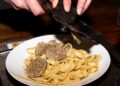





5. Thaïsil (Bonne-Nouvelle, 2nd arrondissement). Cozy and colorful, Thaïsil has an inviting atmosphere with welcoming staff and a lantern-filled dining area. From traditional Thai soups to spicy curries, everything on the menu is free from gluten.
6. Chambelland (Oberkampf, 11th arrondissement). Chambelland Oberkampf in Le Marais is both a boulangerie and a patisserie. This chic bakery is one of several Chambelland branches in Paris and carries grocery items as well.
7. Mimi (6th arrondissement). The chef at Mimi is herself celiac, and her ingredients come from Italy. Mimi also functions as a grocery store where you can stock up on quality pasta and olive oil.

8. A dedicated creperie, Latin Quarter (5th arrondissement). A small, charming creperie in the Latin Quarter offers a cozy atmosphere with flower-decorated tables. The knowledgeable staff ensure a welcoming experience and it is a strong choice for gluten-free dining in Paris.
Book in advance for all 8. Dedicated venues fill quickly, especially on weekends.

Conclusion: gluten-free Paris is a practical choice
Gluten-free Paris is not a niche concern. It is a well-structured dining market backed by EU regulation and a growing professional culture among chefs. Europe’s labeling laws are among the most celiac-friendly in the world, especially for clearly marking allergens and regulating the term “gluten-free.” Paris applies that framework seriously.
The 8 bistros in this guide give you a concrete, verified starting point. Use the EU labeling rules as your baseline. Use “sans gluten” and “allergie” as your tools at the table. Gluten-free Paris delivers both safety and quality. Plan your visit, confirm your reservations, and eat with confidence.
Discover more about gluten-free Paris
- Gluten-free food regulation, European Commission
- FindMeGlutenFree: Paris restaurant ratings and reviews
- Eating Europe: A local’s guide to gluten-free Paris