CONTACT
  • Login
Upgrade
GUSTOwebzine
Advertisement
  • Home
    • Our Authors
    • Subscribe for Free
    • Media Kit
    • Contact
    • Terms and Conditions
    • Cookie Policy
  • Discoveries
    • Chefs
  • Culinary Culture
  • Food & Drinks
  • Cooking Tips
    • Recipes
  • GUSTO Global
  • Insights
  • GUSTO Guide
    • Hotels Worldwide
    • Nightlife Worlwide
    • Restaurants Worldwide
    • Services Worldwide
  • Home
    • Our Authors
    • Subscribe for Free
    • Media Kit
    • Contact
    • Terms and Conditions
    • Cookie Policy
  • Discoveries
    • Chefs
  • Culinary Culture
  • Food & Drinks
  • Cooking Tips
    • Recipes
  • GUSTO Global
  • Insights
  • GUSTO Guide
    • Hotels Worldwide
    • Nightlife Worlwide
    • Restaurants Worldwide
    • Services Worldwide
No Result
View All Result
GUSTOwebzine
No Result
View All Result
Home Culinary Culture

Mediterranean cooking peaks in late August

When the garden reaches full abundance, Mediterranean cooks do not plan the meal and then shop. They look at what is ready, and let that decide everything.

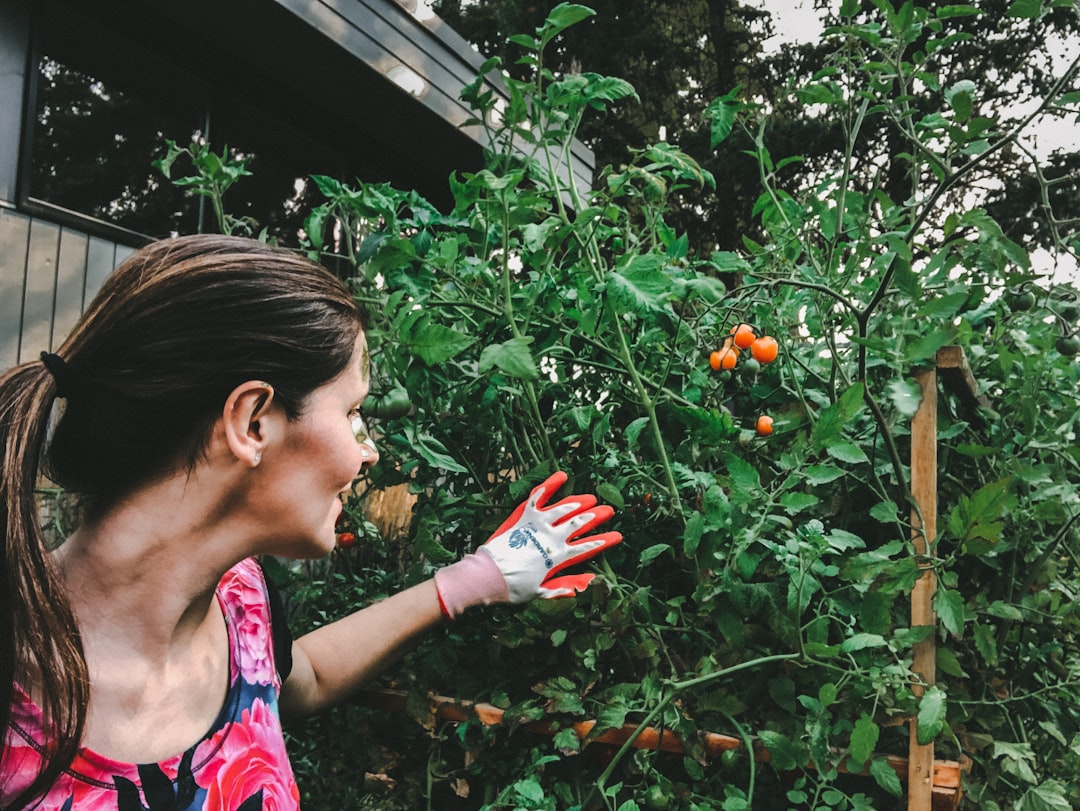
A woman harvesting ripe tomatoes in a sunlit Mediterranean cooking garden in late August

Mediterranean cooking reaches its highest point not in a restaurant kitchen but at the precise moment in late August when a garden holds more than any single meal can contain, and a cook must decide, with clarity and restraint, what to do with all of it.

The logic behind a garden-led meal

August is peak Mediterranean vegetable season, with tomatoes, peppers, and eggplants at their absolute best. For a cook trained in classical technique, this is not a minor detail. It is the entire premise of the meal. The garden does not offer suggestions. It issues instructions, and the cook’s role is to execute them with precision.

This approach requires a specific kind of discipline. The menu does not exist before the harvest. August is the month to make the most of late-summer produce. A cook who understands this works backwards: from the ingredient to the plate, not the other way around.

GUSTO guide worldwide restaurants, hotels, nightlife, professional services GUSTO guide worldwide restaurants, hotels, nightlife, professional services GUSTO guide worldwide restaurants, hotels, nightlife, professional services

Restraint matters as much as skill here. The temptation to add, to complicate, to layer too many elements onto a single dish is real. The most elegant solution is almost always the simplest one, and late August produce rarely needs help.

What the harvest actually contains

Vegetables available in August include tomatoes, corn, zucchini, cucumbers, green beans, peppers, eggplant, potatoes, salad greens, and fresh herbs. This is not abundance in a vague sense. It is a very specific convergence of ingredients that happen to belong together on the plate.

Stone fruit is still at its peak while figs, grapes, and blackberries begin to appear in abundance. This overlap of late-summer fruit and peak-season vegetables creates an unusual range of options. A cook can move between savory and sweet within a single meal without reaching for anything out of season.

Late summer is the absolute best season for dishes like ratatouille. This is when tomatoes are at their peak sweetness, zucchini is tender and abundant, and eggplants are perfectly firm and shiny. These qualities are not cosmetic. They determine how a vegetable responds to heat, how much liquid it releases, and what it contributes to the overall composition of a dish.

How technique serves the season

Once considered a peasant dish, ratatouille was created to use an abundance of vegetables grown in local gardens. Over time, it became a celebrated symbol of Provençal cuisine. This history matters. The most revered preparations in Mediterranean cooking began as practical responses to what the garden produced, not as artistic statements made in isolation from the land.

Ratatouille comes from the Provence region of France, an area famous for its vibrant, vegetable-forward cuisine. It embodies the principles of Mediterranean cooking, emphasizing fresh, seasonal produce, olive oil, and aromatic herbs. These principles are not decorative. They represent a complete culinary philosophy in which technique exists to serve the ingredient, never to overwhelm it.

Preparations like roasted baby eggplant with tomato and zucchini celebrate the natural sweetness of late-summer vegetables. Roasting brings out their inherent goodness, creating a dish that is both simple to prepare and deeply satisfying. The cook’s job is to apply the right method, at the right temperature, with the right amount of restraint.
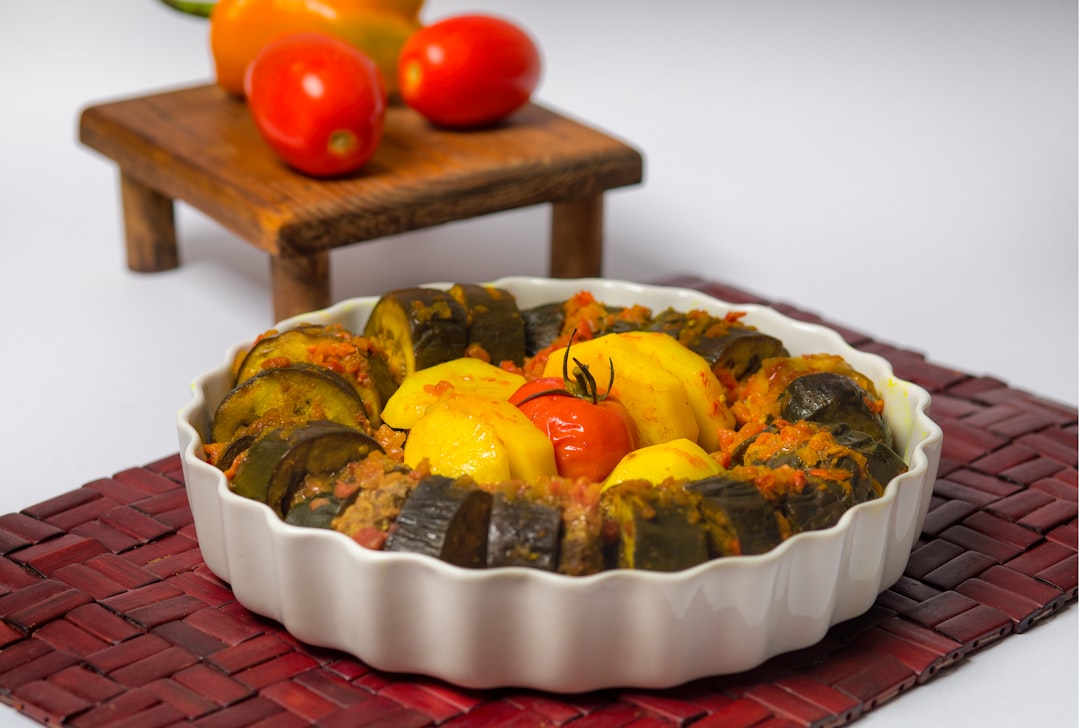
A chef using classical technique to prepare eggplant for a Mediterranean cooking dish

Expert perspective on seasonal meal structure

The garden-led meal is not an improvised meal. It is a highly structured one, but the structure comes from the season rather than from the recipe. In late August, when tomatoes, peppers, zucchini, and eggplant are all at their peak simultaneously, a cook has everything needed to build a complete meal from a single harvest. The discipline required is the discipline of omission: knowing which ingredients to leave out, which preparation will express each vegetable most honestly, and when to stop. Olive oil, salt, and heat are almost always sufficient. The season does the rest. This is not minimalism for its own sake. It is precision applied to abundance, and it is the foundation of the finest meals that Mediterranean cooks produce all year.

Industry perspective, culinary culture and seasonal gastronomy professionals across the Mediterranean region

Spain, Italy, and France: 3 countries, one seasonal logic

In Spain, August is tomato season. Many families make large batches of gazpacho and salmorejo while tomatoes are inexpensive and at their sweetest. It is also common to see home cooks roasting peppers or making jars of homemade tomato sauce to preserve the flavor of summer.


-

A group of guests reaching across a communal table covered in shared dishes, celebrating the communal table tradition.

Communal table traditions across cultures

31/08/2026

Tomato sauce recipes from global kitchens

27/08/2026
A chef carefully plates a dish for festival visitors, capturing the craft at the heart of British food culture in Edinburgh

British food culture at Edinburgh festival

26/08/2026
A professional chef finely chopping fresh parsley to prepare a classic green sauce at a wooden kitchen counter

Green sauce from 6 global traditions

22/08/2026
A woman carefully dressing chilled grain salads in a bright kitchen, showcasing global culinary technique

7 chilled grain salads that hold up in summer heat

14/08/2026
laughing woman cocoa farmer in the forest

Ethical cocoa sourcing and the future

11/08/2026

In the Spanish tradition, Pisto Manchego combines tomatoes, peppers, zucchini, onion, and olive oil into a rich vegetable stew that makes the most of August’s large vegetable harvest. In Italy, the same ingredients become caponata or a layered tian. In Provence, they become ratatouille. The vegetables are nearly identical. The technique and seasoning shift by region, but the underlying logic does not.

A Catalan preparation called Escalivada features smoky roasted eggplants, peppers, onions, and tomatoes, finished with extra virgin olive oil. It is delicious served warm or cold with crusty bread. This flexibility, the ability to serve a dish at different temperatures and across different moments of a meal, is a direct result of cooking with seasonal produce at its peak.

A woman carefully selecting seasonal vegetables at a market to support Mediterranean cooking at home

Mediterranean cooking as a discipline worth practicing now

Mediterranean cooking in late August is not simply a celebration of what the garden provides. It is an annual test of a cook’s ability to work with precision inside a narrow window. When you eat fruit and vegetables during their season, you get them at their ripest and best-tasting point. That ripeness is not a bonus. It is the entire argument for cooking this way.

The cook who learns to read the season, to understand what eggplant needs at this exact moment, what a tomato will give to a sauce today but not in 3 weeks, develops a form of knowledge that no recipe can fully replace. Mediterranean cooking, practiced seriously, is the study of that knowledge.

Now is the moment to build a meal around what the garden holds. Let the harvest lead. Apply technique with care. Allow the season to do what it does best, and follow it precisely.

Discover more about Mediterranean cooking

  • Mediterranean Diet and Seasonal Produce – Food and Agriculture Organization of the United Nations
  • The Spanish Radish: August Seasonal Fruit and Vegetables in Spain
  • The Mediterranean Dish: Easy Ratatouille Recipe and Seasonal Vegetable Cooking

author avatar
Claire Beaumont
Claire Beaumont grew up in Lyon's bouchon culture, where Sunday lunches lasted three hours and every dish told a story. She trained at Institut Paul Bocuse before turning to food writing, covering classical French technique, regional produce, and Europe's evolving restaurant scene. Her work is elegant, precise, and always deeply rooted in the craft behind the plate.
See Full Bio
Previous Post

Late summer desserts worth seeking in NYC

Next Post

Dim sum London: best restaurants guide

Related Posts

A group of guests reaching across a communal table covered in shared dishes, celebrating the communal table tradition.
Culinary Culture

Communal table traditions across cultures

31/08/2026
Culinary Culture

Tomato sauce recipes from global kitchens

27/08/2026
A chef carefully plates a dish for festival visitors, capturing the craft at the heart of British food culture in Edinburgh
Culinary Culture

British food culture at Edinburgh festival

26/08/2026
A professional chef finely chopping fresh parsley to prepare a classic green sauce at a wooden kitchen counter
Culinary Culture

Green sauce from 6 global traditions

22/08/2026
A woman carefully dressing chilled grain salads in a bright kitchen, showcasing global culinary technique
Culinary Culture

7 chilled grain salads that hold up in summer heat

14/08/2026
Next Post
People using chopsticks to pick dumplings from a wooden steam basket at a dim sum meal.

Dim sum London: best restaurants guide

Leave a Reply Cancel reply

Your email address will not be published. Required fields are marked *

Truelang AI Translations Truelang AI Translations Truelang AI Translations
No Result
View All Result

Our Focus

GUSTOwebzine is your international window on food culture: culinary lifestyle, trends, recipes and gastronomic stories for a global audience with a passion for exceptional taste.

Our Readers

GUSTOwebzine addresses readers who engage with food culture at a high level: as culinary professionals, passionate home cooks, food entrepreneurs, and tastemakers in their communities.

Our Approach

Recipes, trends, and dining culture are integrated as context and indicators of creativity, identity, and the social forces shaping how the world eats, not standalone content.

Recent Post

  • Gluten-free izakaya: Tokyo guide
  • Singapore dining resets before September rush

© 2026 GUSTOwebzine by NOOR & NOOR — part of WEBZINE.world.

Welcome Back!

Login to your account below

Forgotten Password?

Retrieve your password

Please enter your username or email address to reset your password.

Log In
Manage Consent
To provide the best experiences, we use technologies like cookies to store and/or access device information. Consenting to these technologies will allow us to process data such as browsing behavior or unique IDs on this site. Not consenting or withdrawing consent, may adversely affect certain features and functions.
Functional Always active
The technical storage or access is strictly necessary for the legitimate purpose of enabling the use of a specific service explicitly requested by the subscriber or user, or for the sole purpose of carrying out the transmission of a communication over an electronic communications network.
Preferences
The technical storage or access is necessary for the legitimate purpose of storing preferences that are not requested by the subscriber or user.
Statistics
The technical storage or access that is used exclusively for statistical purposes. The technical storage or access that is used exclusively for anonymous statistical purposes. Without a subpoena, voluntary compliance on the part of your Internet Service Provider, or additional records from a third party, information stored or retrieved for this purpose alone cannot usually be used to identify you.
Marketing
The technical storage or access is required to create user profiles to send advertising, or to track the user on a website or across several websites for similar marketing purposes.
  • Manage options
  • Manage services
  • Manage {vendor_count} vendors
  • Read more about these purposes
View preferences
  • {title}
  • {title}
  • {title}
No Result
View All Result
  • Home
    • Our Authors
    • Subscribe for Free
    • Media Kit
    • Contact
    • Terms and Conditions
    • Cookie Policy
  • Discoveries
    • Chefs
  • Culinary Culture
  • Food & Drinks
  • Cooking Tips
    • Recipes
  • GUSTO Global
  • Insights
  • GUSTO Guide
    • Hotels Worldwide
    • Nightlife Worlwide
    • Restaurants Worldwide
    • Services Worldwide

© 2026 GUSTOwebzine by NOOR & NOOR — part of WEBZINE.world.

Not enough quota to unlock this post
Unlock left : 0
Are you sure want to cancel subscription?
Verified by MonsterInsights
enEnglishdeDeutschesEspañolfrFrançaisitItalianoja日本語nlNederlandszh中文
No results