CONTACT
  • Login
Upgrade
GUSTOwebzine
Advertisement
  • Home
    • Our Authors
    • Subscribe for Free
    • Media Kit
    • Contact
    • Terms and Conditions
    • Cookie Policy
  • Discoveries
    • Chefs
  • Culinary Culture
  • Food & Drinks
  • Cooking Tips
    • Recipes
  • GUSTO Global
  • Insights
  • GUSTO Guide
    • Hotels Worldwide
    • Nightlife Worlwide
    • Restaurants Worldwide
    • Services Worldwide
  • Home
    • Our Authors
    • Subscribe for Free
    • Media Kit
    • Contact
    • Terms and Conditions
    • Cookie Policy
  • Discoveries
    • Chefs
  • Culinary Culture
  • Food & Drinks
  • Cooking Tips
    • Recipes
  • GUSTO Global
  • Insights
  • GUSTO Guide
    • Hotels Worldwide
    • Nightlife Worlwide
    • Restaurants Worldwide
    • Services Worldwide
No Result
View All Result
GUSTOwebzine
No Result
View All Result
Home Home Cooking Tips

Grill vegetables for smoky, charred flavor

** Master the science and discipline of fire, heat, and timing to transform every vegetable you place on the grill.

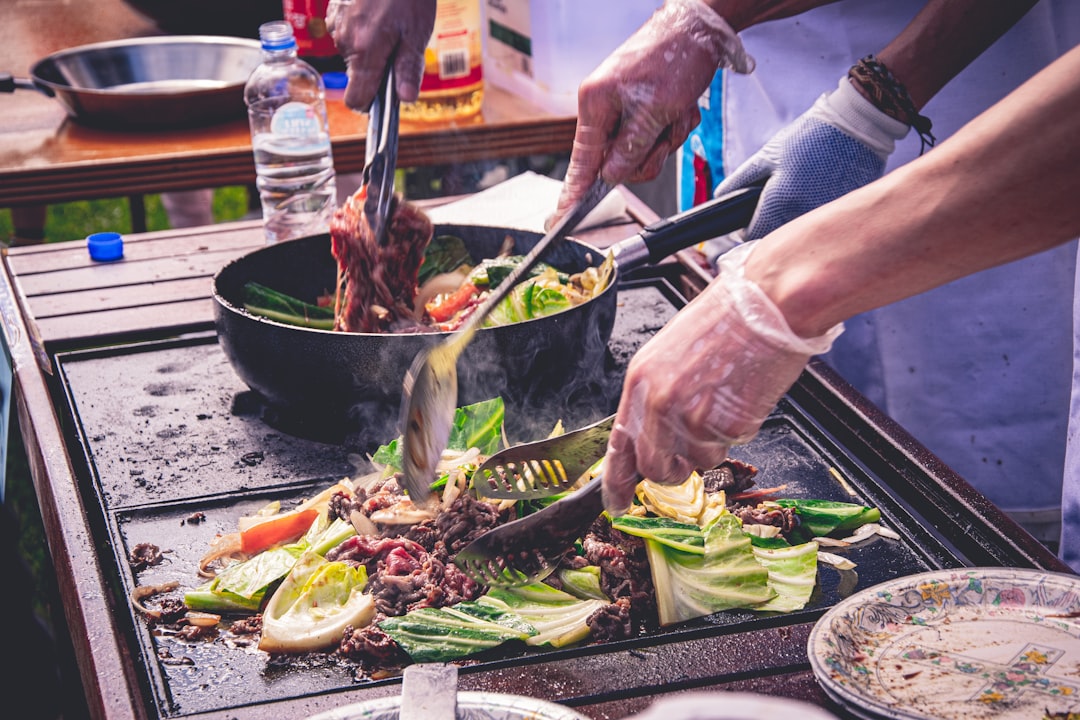
A chef carefully monitoring grill vegetables over high heat to achieve a smoky, charred finish

To grill vegetables with real depth, you must first understand that fire is not a shortcut but a conversation between heat, water, and sugar.

Choose the right vegetables and cut them with intention

Not all vegetables respond equally to high heat. Dense, low-moisture varieties hold their structure better and develop richer flavors under fire. Eggplant, zucchini, bell pepper, asparagus, corn, and mushrooms are ideal candidates. Choose fresh vegetables, because fresh vegetables have a higher water content. This ensures they do not dry out during the grilling process.

Prepare vegetables by cutting them in a way that maximizes their surface area. This increases the real estate for charred flavor to develop and prevents them from slipping through the grate. For example, cut zucchini, eggplant, and plum tomatoes lengthwise in half or in half-inch-thick slices. Larger, denser vegetables such as whole carrots or cauliflower need a different approach. If you grill over direct heat, the vegetable needs some preparation to ensure a tender result. Parboil a whole head of cauliflower until just tender, then grill it. This technique also works for whole carrots, turnips, beets, and Brussels sprouts.

GUSTO guide worldwide restaurants, hotels, nightlife, professional services GUSTO guide worldwide restaurants, hotels, nightlife, professional services GUSTO guide worldwide restaurants, hotels, nightlife, professional services

Always place smaller pieces on skewers or in a grilling basket. For smaller vegetables, use skewers or a grilling basket. Both tools handle delicate vegetables that can easily fall through the grates, such as mushrooms and cherry tomatoes.

Use oil and heat as precise instruments

Oiling prevents sticking and promotes even browning, but too much oil creates flare-ups and sooty residue. Use a high-smoke-point oil such as grapeseed, avocado, or refined olive oil. Brush lightly on both sides, about half a teaspoon per cup of vegetables. Avoid extra virgin olive oil until after grilling, as its low smoke point produces acrid fumes.

It is important to have the highest heat possible. The higher the heat, the stronger those flavors. Build the fire well. Whichever grill you use, create 1 zone that is nearly too hot to approach, around 600 degrees Fahrenheit: a large pile of white-hot coals on one side, or 1 region of the grill turned to maximum heat.

Professional kitchens rely on dual-temperature zones: 1 side for searing, the other for gentle finishing. Start each vegetable in the hottest zone to build char, then move it to the cooler zone to cook through without burning. Do not load the grill with many vegetables at once. Overcrowding traps steam and leaves you with soft, wet vegetables instead of a nice char. Give your vegetables room. Spread them out in a single layer, leaving space between pieces.

Understand the science of smoke and char

As soon as the vegetables contact the hot grill grates, they release aromatic compounds that drip down into the heat. Those compounds burn and release smoke that infuses into the vegetables. This process improves the flavor profile for a deeper, more satisfying taste. The high heat causes the outer layer to crisp while the interior remains soft, tender, and juicy.

Another important flavor element is the Maillard reaction, named after French scientist Louis Camille Maillard. Nearly anything brown or dark brown on any cooked food is a result of this reaction. It produces complex flavors, aromas, and background tastes, especially umami. This reaction and smoke work together. They are not 1 flavor but a layered structure built from fire, time, and restraint.

Unlike boiling or frying, grilling uses dry heat to caramelize the natural sugars in vegetables, creating smoky, sweet, and savory notes without adding excess fat or calories. Understanding this chemistry is not academic. It is the foundation of every correct decision you make at the grill.
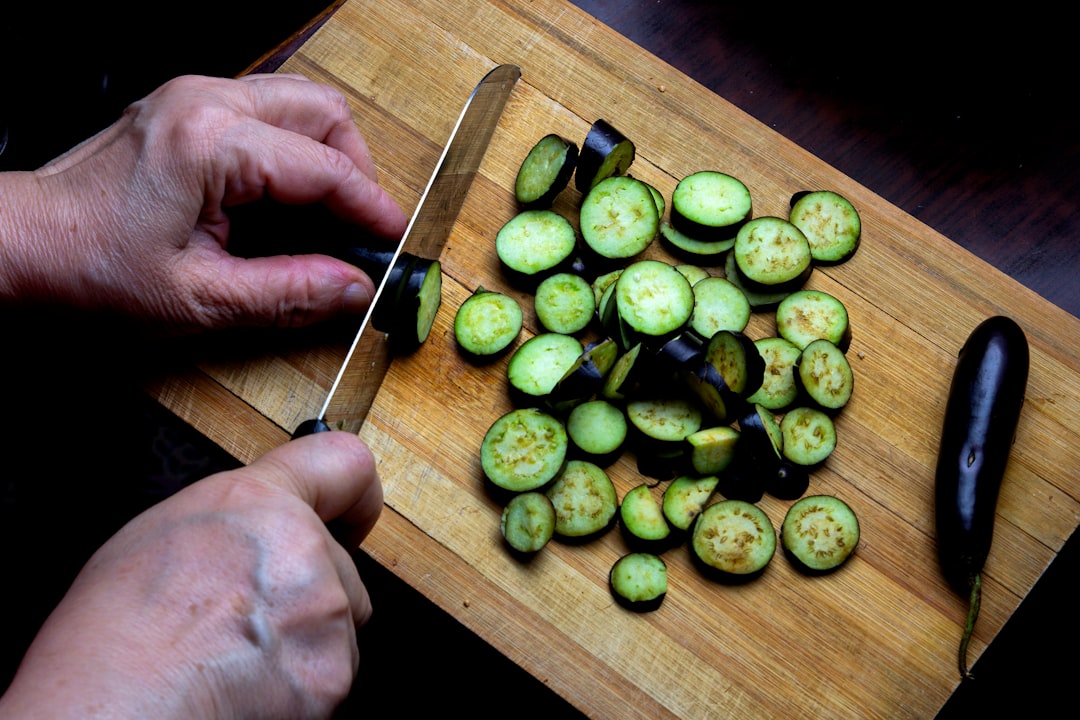
A home cook preparing sliced vegetables before placing them on the grill for smoky, charred flavor

Expert perspective on heat and flavor

The art of grilling vegetables lies in the relationship between heat, time, and the nature of the vegetable itself. Each vegetable carries a different ratio of water, sugar, and fiber, and the grill responds to each one differently. A cook who understands this will never approach the grill with a single, fixed method. Dense vegetables such as eggplant and corn need sustained heat to release their interior moisture and allow their sugars to caramelize fully. Delicate vegetables such as asparagus or tomatoes need only a brief, intense contact with flame before they transform. The goal in both cases is identical: a smoky, charred exterior that seals and concentrates the natural flavor within.

Industry perspective, culinary professionals and food science educators

Rest your vegetables and finish with precision

Like meat, grilled vegetables benefit from resting. Transfer them to a platter, tent loosely with foil, and let them stand for 5 to 8 minutes. This allows residual heat to equalize, juices to redistribute, and fibers to relax, which results in more uniform tenderness.

Arrange rested vegetables in a shallow bowl and toss gently with a small amount of vinegar and good olive oil while they are still warm. They absorb dressings far better than when cold. This is the moment to add extra virgin olive oil, fresh herbs, or citrus. Applying these fragile flavors after the heat preserves their character fully.


-

A professional chef making a pan sauce by deglazing a hot skillet with wine in a restaurant kitchen

Pan sauce: master any cuisine in 5 steps

21/09/2026
A person tasting seasoning from a wooden spoon while cooking an unfamiliar global dish in a restaurant kitchen.

Taste seasoning in any unfamiliar cuisine

13/09/2026
A woman carefully arranging a selection of global condiments on a well-organized kitchen pantry shelf

Global condiments for faster weeknight meals

07/09/2026
A chef whisking together marinade basics including oil, citrus, and fresh herbs in a large ceramic bowl

Marinade basics for any protein

28/08/2026
A chef monitors a tray of tomatoes and mushrooms, using key techniques to build deep flavour in a meatless dish.

Deep flavour: cooking without meat or stock

23/08/2026
A professional chef adjusting salt acid and seasoning in a large pot in a busy restaurant kitchen

Complete guide to balancing salt, acid, fat, and heat

13/08/2026

Do not spend time marinating raw vegetables before grilling. Without a strong amount of salt, the flavor will not penetrate the vegetable much. Add flavor while the vegetable cooks or directly after cooking. By waiting, the flavor will be more present.
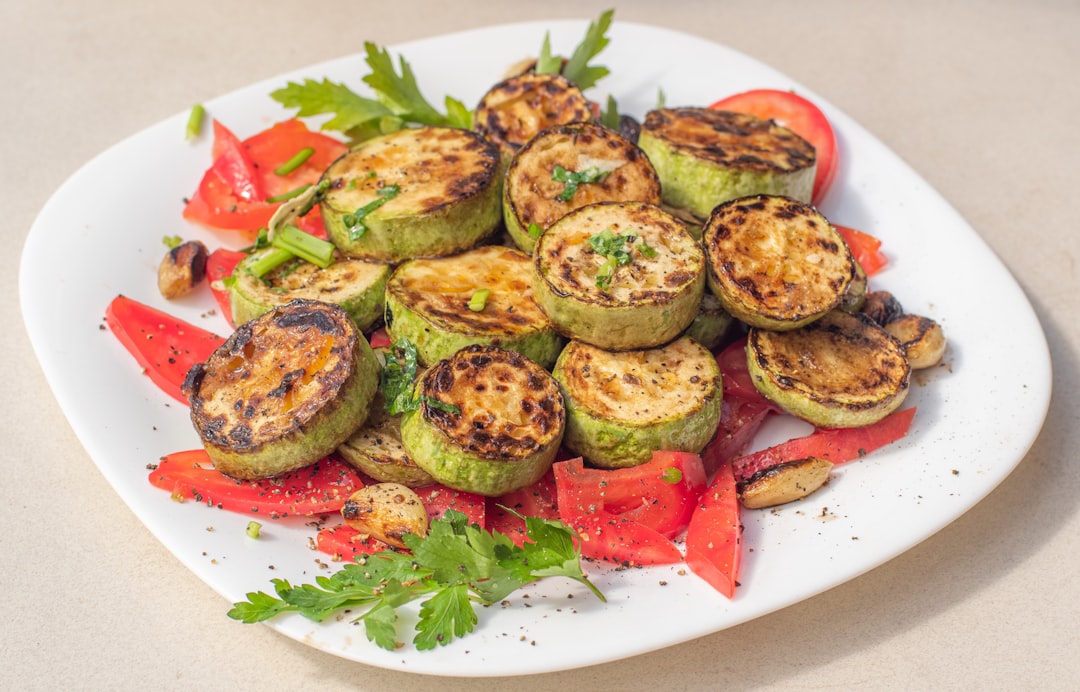
A cook arranging rested grill vegetables on a plate, their charred surfaces glistening with olive oil

Grill vegetables on gas with real smoke

Many cooks believe smoke is only possible with charcoal. This is not true. Smoke is not exclusive to charcoal. Gas grills can produce excellent smoky results using smoker boxes or foil pouches filled with soaked wood chips placed directly over burners.

Close the grill lid and cook the vegetables without moving them, flipping once after 3 to 5 minutes. Closing the lid creates the same environment as an oven, allowing the vegetables to bake as they char. Check progress every few minutes and cook until the vegetables reach your preferred amount of char.

For timing, follow this reference: grill vegetables with the lid closed until tender and lightly charred all over, about 8 to 10 minutes for bell peppers, onion, and mushroom, and 5 to 7 minutes for yellow squash, zucchini, eggplant, and asparagus.

Conclusion

To grill vegetables with real smoky, charred results, you must treat fire as a precise tool, not a casual one. Every choice matters: the cut, the oil, the heat zone, the timing, and the rest. When you grill vegetables with this discipline, you do not simply cook them. You reveal what they always were. Return to these principles every time you light the grill. The flavors you produce will carry that respect directly to the plate. Approach the grill with patience, and let each vegetable teach you something new.


Discover more about grill vegetables

  • Fruit and Vegetables: Your Dietary Essentials (FAO)
  • Effects of Household Cooking on Mineral Composition and Retention in Vegetables (NIH/PubMed, 2025)
  • How to Char Vegetables to Smoky Sweetness: 5 Tools to Consider (Viet World Kitchen, 2024)
Previous Post

Single-origin coffee vs your daily blend

Next Post

Citrus Season Recipes: Fresh Morocco Oranges

Related Posts

A professional chef making a pan sauce by deglazing a hot skillet with wine in a restaurant kitchen
Home Cooking Tips

Pan sauce: master any cuisine in 5 steps

21/09/2026
A person tasting seasoning from a wooden spoon while cooking an unfamiliar global dish in a restaurant kitchen.
Home Cooking Tips

Taste seasoning in any unfamiliar cuisine

13/09/2026
A woman carefully arranging a selection of global condiments on a well-organized kitchen pantry shelf
Home Cooking Tips

Global condiments for faster weeknight meals

07/09/2026
A chef whisking together marinade basics including oil, citrus, and fresh herbs in a large ceramic bowl
Home Cooking Tips

Marinade basics for any protein

28/08/2026
A chef monitors a tray of tomatoes and mushrooms, using key techniques to build deep flavour in a meatless dish.
Home Cooking Tips

Deep flavour: cooking without meat or stock

23/08/2026
Next Post
Plate with sliced oranges and a whole orange, a red chili pepper, and spices on a blue rustic surface. Decorative, colorful culinary scene.

Citrus Season Recipes: Fresh Morocco Oranges

Leave a Reply Cancel reply

Your email address will not be published. Required fields are marked *

Truelang AI Translations Truelang AI Translations Truelang AI Translations
No Result
View All Result

Our Focus

GUSTOwebzine is your international window on food culture: culinary lifestyle, trends, recipes and gastronomic stories for a global audience with a passion for exceptional taste.

Our Readers

GUSTOwebzine addresses readers who engage with food culture at a high level: as culinary professionals, passionate home cooks, food entrepreneurs, and tastemakers in their communities.

Our Approach

Recipes, trends, and dining culture are integrated as context and indicators of creativity, identity, and the social forces shaping how the world eats, not standalone content.

Recent Post

  • Cider doughnuts worth the drive from NYC
  • Energy relief for restaurants: what qualifies

© 2026 GUSTOwebzine by NOOR & NOOR — part of WEBZINE.world.

Welcome Back!

Login to your account below

Forgotten Password?

Retrieve your password

Please enter your username or email address to reset your password.

Log In
Manage Consent
To provide the best experiences, we use technologies like cookies to store and/or access device information. Consenting to these technologies will allow us to process data such as browsing behavior or unique IDs on this site. Not consenting or withdrawing consent, may adversely affect certain features and functions.
Functional Always active
The technical storage or access is strictly necessary for the legitimate purpose of enabling the use of a specific service explicitly requested by the subscriber or user, or for the sole purpose of carrying out the transmission of a communication over an electronic communications network.
Preferences
The technical storage or access is necessary for the legitimate purpose of storing preferences that are not requested by the subscriber or user.
Statistics
The technical storage or access that is used exclusively for statistical purposes. The technical storage or access that is used exclusively for anonymous statistical purposes. Without a subpoena, voluntary compliance on the part of your Internet Service Provider, or additional records from a third party, information stored or retrieved for this purpose alone cannot usually be used to identify you.
Marketing
The technical storage or access is required to create user profiles to send advertising, or to track the user on a website or across several websites for similar marketing purposes.
  • Manage options
  • Manage services
  • Manage {vendor_count} vendors
  • Read more about these purposes
View preferences
  • {title}
  • {title}
  • {title}
No Result
View All Result
  • Home
    • Our Authors
    • Subscribe for Free
    • Media Kit
    • Contact
    • Terms and Conditions
    • Cookie Policy
  • Discoveries
    • Chefs
  • Culinary Culture
  • Food & Drinks
  • Cooking Tips
    • Recipes
  • GUSTO Global
  • Insights
  • GUSTO Guide
    • Hotels Worldwide
    • Nightlife Worlwide
    • Restaurants Worldwide
    • Services Worldwide

© 2026 GUSTOwebzine by NOOR & NOOR — part of WEBZINE.world.

Not enough quota to unlock this post
Unlock left : 0
Are you sure want to cancel subscription?
Verified by MonsterInsights
enEnglishdeDeutschesEspañolfrFrançaisnlNederlands