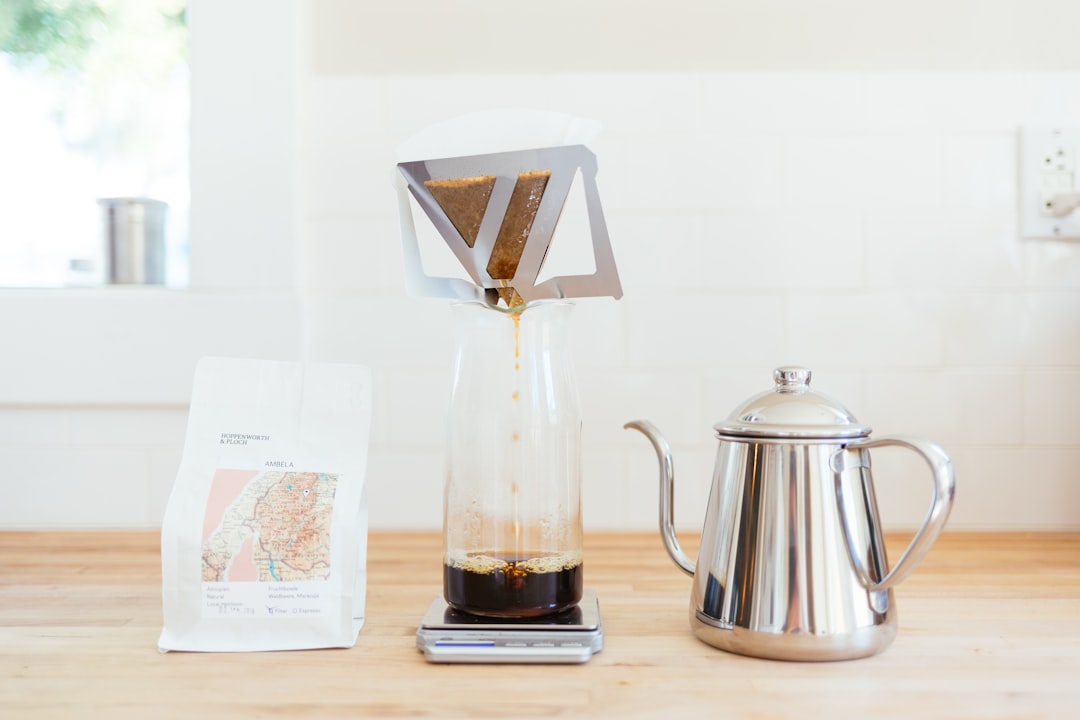
Single-origin coffee carries something a blend never can: the unfiltered voice of a single place, a single harvest, and the people who shaped it from seed to cup.
What single-origin coffee actually means
Single-origin coffee comes from one location, whether a specific farm, a region within a country, or even a single estate. That precision matters. The intent of single-origin coffee is to highlight the nuance that nature creates through terroir: the place, the weather, and the soil. This is not a marketing phrase. It is the same principle that wine lovers use to explain why 2 bottles from neighboring vineyards can taste completely different.
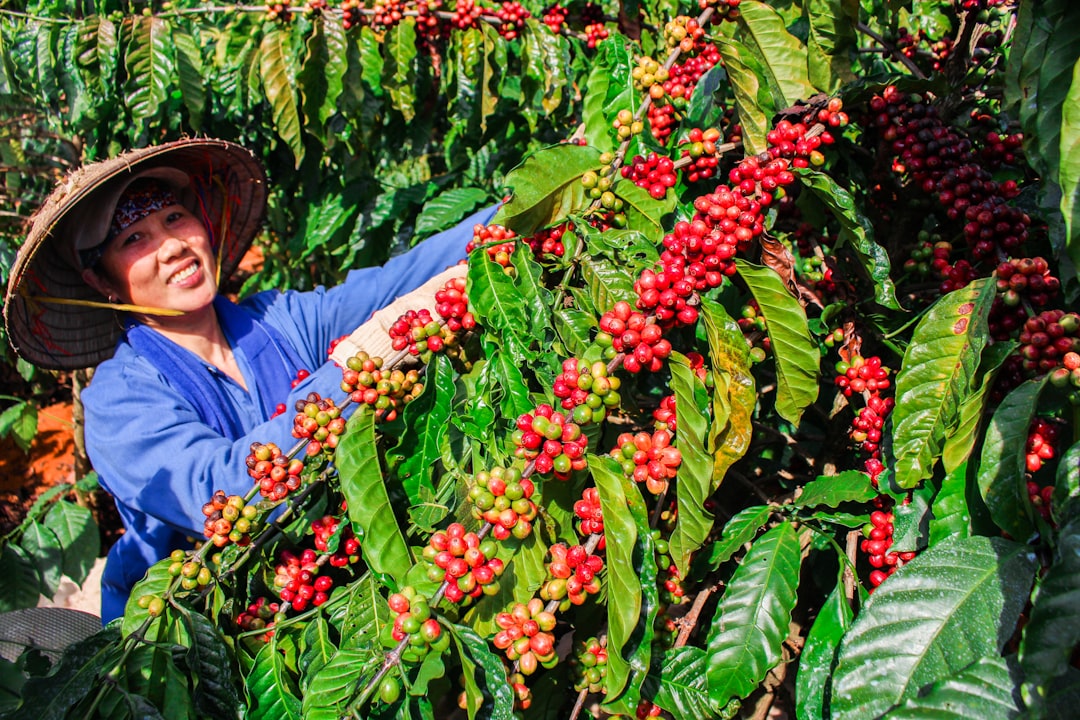
The term “terroir,” typically used in the wine industry, encompasses all of the factors that contribute to the flavors in coffee. For coffee, those factors include altitude, rainfall, soil composition, and the variety of the plant itself. The flavor within the bean tells a story of the life the plant lived: the rainfall, soil fertilization, elevation, sunlight, and temperature, and that story reflects how well the farmer cared for it.

A blend works very differently. Coffee blends are combinations of different single-origin coffees mixed to create a unique flavor profile, and blending highlights the best parts of each coffee, with the result being a balanced, consistent experience that a roaster can repeat all year long. Both approaches require skill. They simply serve different purposes.
How terroir shapes the flavor in your cup
Each cup of single-origin coffee expresses the unique terroir of its region. When you taste blueberry notes in Ethiopian coffee or deep, earthy tones in Sumatran beans, that is the flavor of the environment itself. Latin America produces some of the clearest examples of this. Coffees from high-altitude farms in Colombia, Peru, or Guatemala often carry bright citrus acidity and a clean, sweet body. A coffee from the volcanic soils of Guatemala tastes nothing like one grown in the misty mountain regions of Colombia, even when both are processed in identical ways.
The unique flavor of single-origin coffee stems from the region’s climate, soil, and the producer’s processing methods, often resulting in bolder, more robust, and exotic notes compared to the harmonious balance of blends. Processing choices add another dimension. Natural processing dries the coffee cherries intact, and sun exposure develops fruity notes. It requires less water, making it more suited to dry regions, and the flavors turn bold and wine-like. Washed processing, by contrast, removes the fruit before drying, producing cleaner, brighter cups.

Single-origin coffee aroma, acidity, and flavors are often more pronounced than those of blends. For anyone who wants to understand what coffee truly tastes like at its source, that intensity is exactly the point.
Why blends exist and what they do well
Blends are not a compromise. They are a craft decision. Blends are created for flavor consistency for those who want their coffee to taste the same with every cup, and a roaster may choose to create a dark roast with a flavor profile of baking spices and chocolate by finding several single-origin coffees that, when mixed together, create that profile.
One of the main benefits of coffee blends is their consistent flavor, because blends combine beans from various sources and can maintain the same flavor profile year-round by choosing fresh component coffees with the desired characteristics. This is why most espresso bars use a house blend. Blends are often the default espresso coffee in coffee shops because they pair well with milk and sugar. The roaster controls every variable, which means your morning cup tastes identical in January and in August.






While single-origin coffees are adventurous, their flavor tends to be inconsistent in the long term as climate changes lead to changes in flavor. To counter this, roasters create blends because they are consistent in flavor and less affected by seasonal changes. That seasonal variation in single-origin coffee is not a flaw. It is a feature for those who value it.
Expert perspective on single-origin coffee
The conversation around single-origin coffee is, at its core, a conversation about transparency. Consumers today are not simply buying a beverage. They are investing in a supply chain, a landscape, and a farming community. When a bag tells you the altitude, the variety, and the processing method, it is giving you the tools to form a genuine connection with the producer. That connection builds loyalty that no generic blend can replicate. The specialty segment understands this clearly, which is why traceability has moved from a differentiator to a basic expectation in premium retail. Roasters who ignore this shift risk losing the most engaged and highest-spending segment of the market.
Industry perspective, specialty coffee and sustainability professionals
Single-origin coffee, traceability, and the new consumer
Today’s coffee drinkers want more than flavor. They want origin stories. Single-origin coffees have become more popular because more consumers care about traceability and transparency, and compared to a blend, single origins are much easier to trace back to one particular region, farm, producer, or plot of land.
Over 40% of new single-origin product launches in 2025 included certification or origin-traceability claims, up from 25% in 2020, reflecting consumer willingness to pay a 15 to 25% premium for verified direct-trade beans. This is a significant shift in how people assign value to coffee. Young consumers, especially millennials and Gen Z, prefer artisanal brews, specialty beans, and experiences that emphasize flavor authenticity and ethical sourcing.
The global single-origin coffee market is predicted to increase from USD 15.57 billion in 2026 to approximately USD 23.19 billion by 2034. That growth reflects a deep cultural change, not just a trend. People connect flavor to place, and place to responsibility.

Conclusion: choose your cup with intention
Single-origin coffee is not superior to a blend. It is simply different in what it offers. A great blend rewards consistency and craft. Single-origin coffee rewards curiosity. Single-origin coffee can often be traced back to a country, a farm, a producer, and even the lot where it was grown, and this is powerful information because it gives consumers a deeper understanding of the coffee they are drinking. At GUSTOwebzine, we believe food and drink are most meaningful when they carry a story. Single-origin coffee delivers that story with every sip. Try 1 new origin this month. Taste the soil, the altitude, and the hands that picked it. That is what single-origin coffee asks of you, and it is absolutely worth it.
Discover more about single-origin coffee
- National Coffee Association: About Coffee
- Precedence Research: Single-Origin Coffee Market Report 2025, 2034
- Perfect Daily Grind: Are single-origin coffees actually “better” than blends?