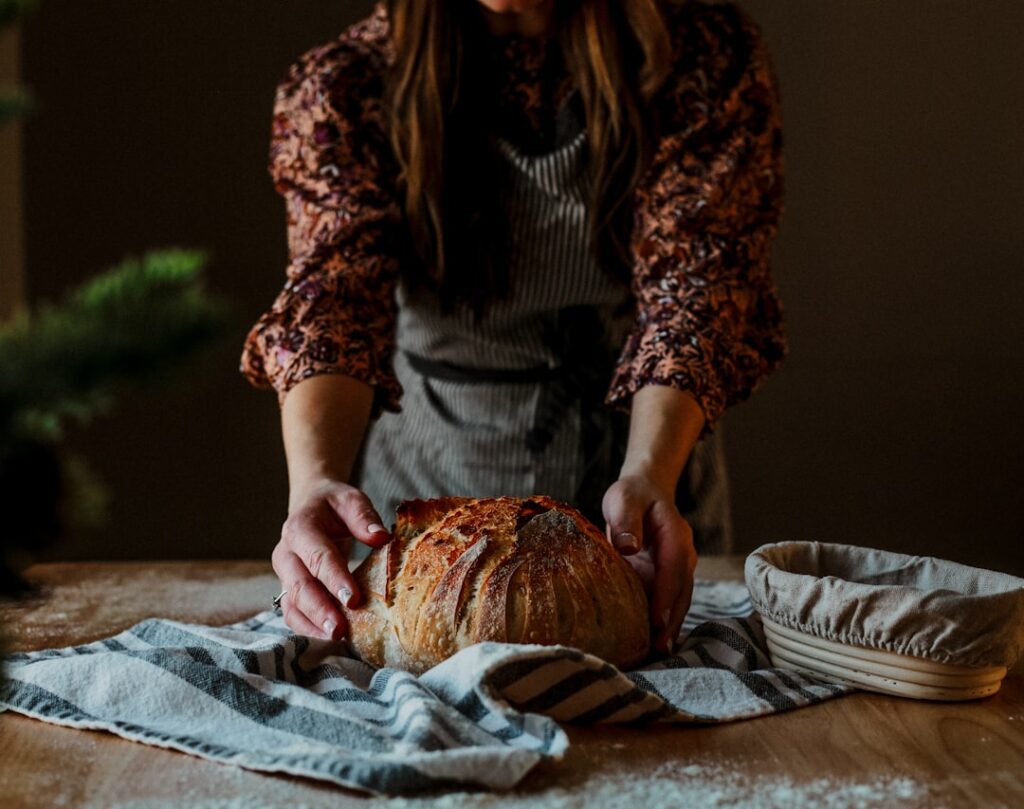
Le pain sans blé occupe une place discrète et lumineuse dans la mémoire culinaire européenne : bien avant que l'agriculture moderne ne standardise l'approvisionnement en céréales, les communautés à travers l'UE construisaient leurs tables autour de ce que la terre locale leur offrait.
La Bretagne et la galette de sarrasin
La galette de sarrasin bretonne est peut-être la tradition boulangère naturellement sans blé la plus aimée de l'UE. Les boulangers la confectionnent entièrement à partir de farine de sarrasin, d'eau, de sel et de patience. Malgré le mot « blé » dans son nom, le sarrasin n'est pas du tout une céréale. Il ne contient pas de gluten et est en fait une graine ; son profil riche et noiseté apporte une profondeur qui manque souvent aux pains standards.

La galette jouit d'un statut culturel protégé en France et reste au cœur de l'identité bretonne. Les crêperies de rue de Quimper et de Rennes la servent pliée autour de jambon, d'œuf et de fromage affiné, un accord aussi raffiné qu'ancestral. La saison de récolte du sarrasin à la fin de l'été en fait le moment idéal pour partir à la recherche d'une version authentique.
La Toscane et le castagnaccio
Le castagnaccio est l'extraordinaire pain à la châtaigne de Toscane, et il ne demande rien à la famille du blé. La recette requiert de la farine de châtaigne, de l'eau, de l'huile d'olive, du romarin et des pignons de pin. La farine de châtaigne donne à ce pain sans blé son goût saisonnier caractéristique et chaleureux. Il est dense, légèrement amer et intensément aromatique.
Les villages toscans préparent le castagnaccio depuis l'époque médiévale, lorsque les châtaigniers couvraient les collines des Apennins et nourrissaient des communautés entières pendant l'hiver. Aujourd'hui, de petites boulangeries artisanales dans la vallée de la Garfagnana suivent encore la méthode originale. Le pain ne nécessite aucun levain ni aucun équipement au-delà d'un large plat en terre cuite et d'un bon four.

La Lituanie et le pain de seigle noir
Le pain de seigle noir lituanien compte parmi les traditions boulangères sans blé les plus importantes culturellement dans le coin nord-est de l'UE. À travers les pains de seigle denses de Lituanie, chaque type raconte une histoire de ses origines, de ses ingrédients locaux et de ses méthodes traditionnelles. Le seigle prospérait dans les sols baltes froids et acides où le blé ne poussait jamais bien.
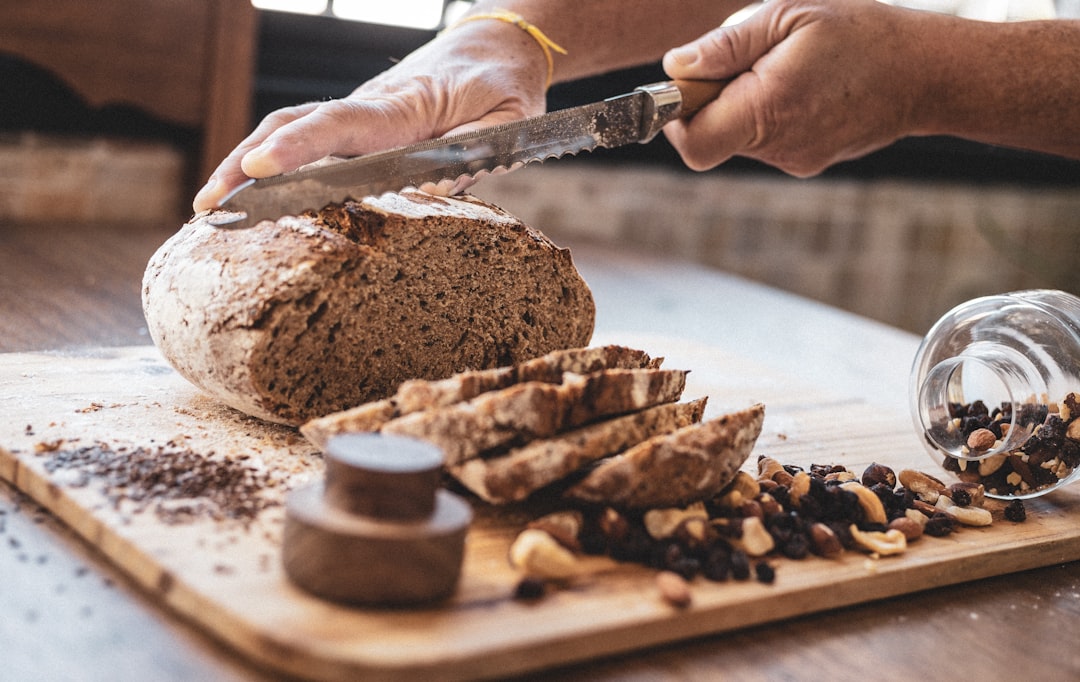
Le pain de seigle ne contient pas de farine de blé et possède un index glycémique plus bas que les pains à base de blé, ce qui impacte moins le taux de glycémie. Les boulangers lituaniens font fermenter leur pâte pendant de longues périodes, produisant des pains avec une saveur profonde et complexe et une mie ferme. Le pain accompagne chaque repas, des simples tartinades laitières aux tables festives élaborées.
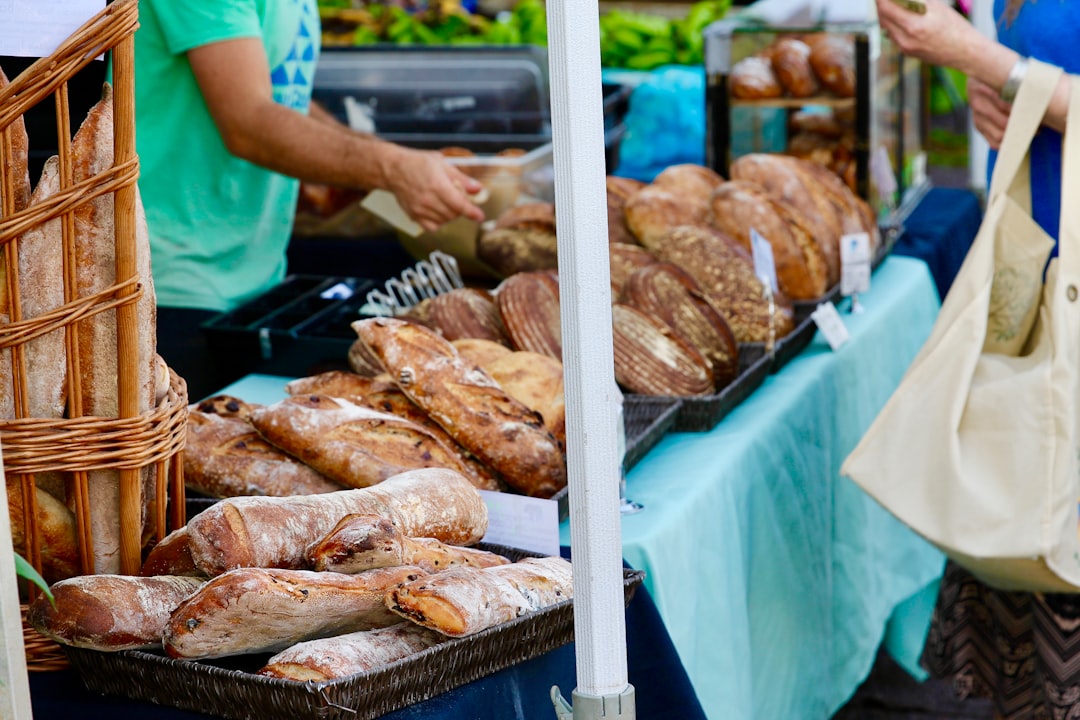
Voix de la communauté des boulangers artisans
Une perspective patrimoniale sur le pain sans blé
Pendant des générations, les pains les plus honnêtes d'Europe n'ont jamais été faits à base de blé. Ils reposaient sur la nécessité, sur le terroir, sur ce que la forêt et les champs offraient réellement. Le sarrasin en Bretagne, la châtaigne en Toscane, le seigle dans la Baltique : chaque farine porte la mémoire d'un paysage. Ce que nous observons maintenant n'est pas une tendance sans gluten. C'est une redécouverte de ce que les communautés européennes savaient déjà. Lorsque les consommateurs choisissent un pain régional sans blé en cette saison de récolte, ils ne font pas seulement un choix diététique. Ils choisissent de maintenir vivante une tradition. Cet acte de choisir a un poids culturel et économique réel pour les petits producteurs à travers l'UE.
Perspective de l'industrie, professionnels de la boulangerie artisanale et du patrimoine alimentaire en Europe
-


Le Portugal et la broa de milho
La broa de milho est le pain de maïs traditionnel du nord du Portugal, et il ne contient pas de blé. Les boulangers mélangent de la farine de maïs blanc moulue sur pierre avec de la farine de seigle, de l'eau et un levain naturel. La croûte forme une épaisse coque dorée et l'intérieur reste dense et humide pendant plusieurs jours.
Le pain est originaire des régions du Minho et du Douro, où le maïs est arrivé des Amériques au XVIe siècle et s'est rapidement intégré à l'agriculture locale. Aujourd'hui, la broa se marie naturellement avec la soupe portugaise caldo verde. Il représente l'un des exemples les plus clairs de la façon dont les traditions alimentaires régionales de l'UE ont absorbé de nouveaux ingrédients sans renoncer à l'identité locale.
La Slovénie et l'ajdov kruh
L'ajdov kruh slovène est un pain au sarrasin provenant de l'intérieur alpin, et il dégage une élégance discrète qui correspond au paysage montagneux du pays. Les boulangers mélangent la farine de sarrasin avec de petites quantités d'autres farines naturellement sans blé, puis façonnent la pâte à la main en pains ronds et rustiques. La saveur est terreuse et légèrement noisettée, avec une texture ferme qui convient au fromage de brebis affiné et au miel de forêt.
Les pains européens reflètent le riche héritage culinaire du continent, chaque type étant un mélange d'ingrédients soigneusement choisis ayant résisté à l'épreuve du temps. L'ajdov kruh apparaît lors des fêtes de récolte slovènes chaque automne, servi sur des planches en bois aux côtés de charcuteries locales. C'est un pain qui a le goût de l'altitude et de la tradition en égale mesure.
La Sardaigne et le carasau
Le pane carasau de Sardaigne est une tradition de pain sans blé aussi fin qu'une feuille de papier qui remonte à la civilisation nuragique. Différentes régions ont développé leurs propres styles emblématiques, chacun façonné par les céréales locales, le climat et la créativité culinaire. Le carasau repose sur de la semoule finement moulue de blé dur sarde, qui est botaniquement distincte du blé commun et différente sur le plan nutritionnel. Certaines versions artisanales utilisent de l'orge ou un mélange qui exclut totalement le blé commun.
Le pain est cuit deux fois, d'abord comme un disque fin, puis fendu et retourné au four jusqu'à ce qu'il devienne croustillant et presque translucide. Les bergers le transportaient pendant des semaines à travers les plateaux de l'intérieur de l'île. Aujourd'hui, les restaurants étoilés Michelin à Cagliari le servent avec du poisson cru et du pecorino affiné, preuve que l'identité ancienne et contemporaine peuvent partager la même assiette.
La Galice et la borona
La borona est l'ancien pain de maïs de Galice dans le nord-ouest de l'Espagne, et il ne partage aucun ingrédient avec le blé commun. Les cuisiniers mélangent du maïs finement moulu avec de l'eau, du sel et un levain naturel, puis enveloppent la pâte dans des feuilles de chou avant de la placer dans un four à bois. Le résultat est un pain au caractère fumé et rustique, différent de tout ce que produisent les boulangeries industrielles.
La croissance du marché des aliments sans blé en Europe est portée par une sensibilisation croissante à la santé et par une évolution vers des régimes alimentaires plus sains et sans allergènes, parallèlement à une demande croissante pour des aliments propres, naturels et à base de plantes. La borona précède la période romaine en Galice et a survécu à des siècles de changements agricoles. Les festivals alimentaires locaux dans la région de Ribeiro la célèbrent encore chaque saison de récolte comme un symbole vivant de la culture rurale galicienne.
Pourquoi ces traditions sont importantes aujourd'hui
Le pain sans blé n'est pas une invention moderne. C'est un retour aux sources. À travers l'UE, ces 7 traditions prouvent que les cultures boulangères régionales ont développé des pains sophistiqués, nourrissants et beaux bien avant que le blé ne devienne la céréale par défaut des boulangeries européennes. L'augmentation des diagnostics de maladie cœliaque, l'adoption croissante de modes de vie axés sur le bien-être et l'expansion rapide du commerce électronique stimulent tous une demande renouvelée pour ces alternatives. Pourtant, la raison la plus profonde de les rechercher en cette saison de récolte est culturelle, et non médicale.

Chaque pain sans blé de cette liste porte une identité protégée : un paysage, une communauté et une façon de comprendre ce que la nourriture peut signifier. Sophie Marchand vous invite à trouver un producteur spécialisé, à commander directement auprès d'une coopérative artisanale et à placer l'un de ces pains extraordinaires au centre de votre table d'automne. Le pain sans blé a sa place sur chaque menu européen raffiné, non pas en tant que substitut, mais en tant qu'original.
En savoir plus sur le pain sans blé
- Patrimoine des céréales et du pain de l'UE, Commission européenne
- Rapport sur le marché des aliments et boissons sans gluten en Europe, Mordor Intelligence
- La boulangerie européenne : un patrimoine dans chaque pain, Amazing Food and Drink
Initialement publié sur EUwebzine.