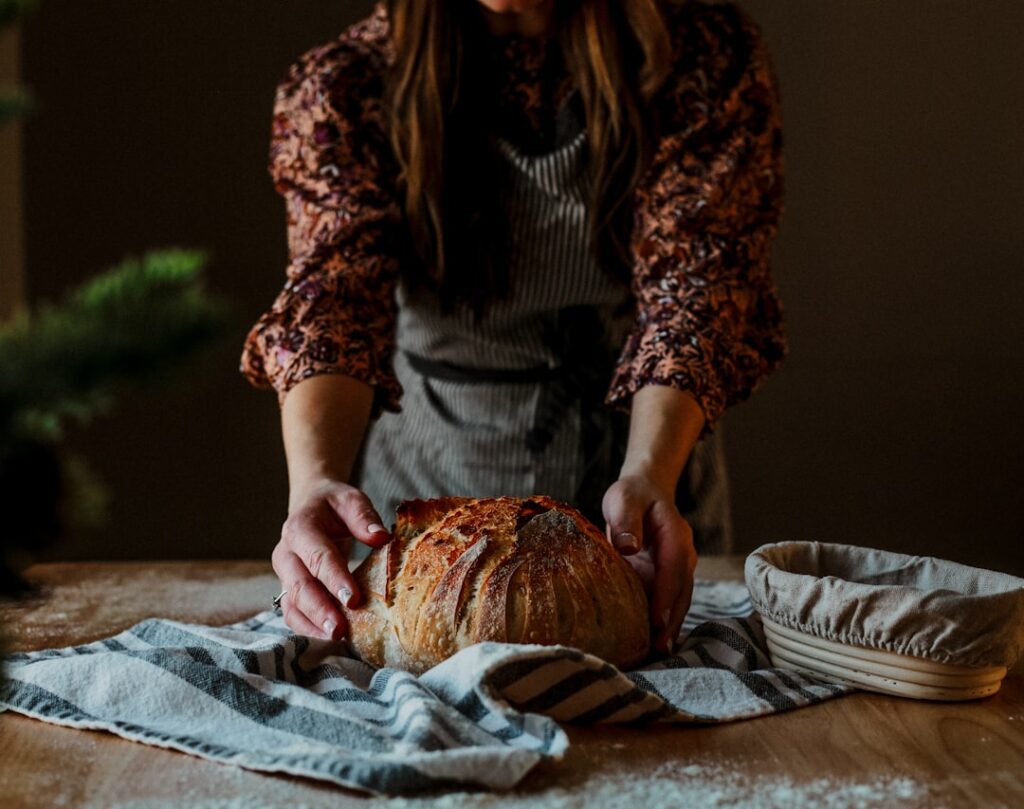
Weizenfreies Brot nimmt einen stillen, leuchtenden Platz im kulinarischen Gedächtnis Europas ein: Lange bevor die moderne Landwirtschaft die Getreideversorgung standardisierte, richteten die Gemeinschaften in der gesamten EU ihre Tafeln nach dem aus, was das lokale Land ihnen bot.
Die Bretagne und die Galette de Sarrasin
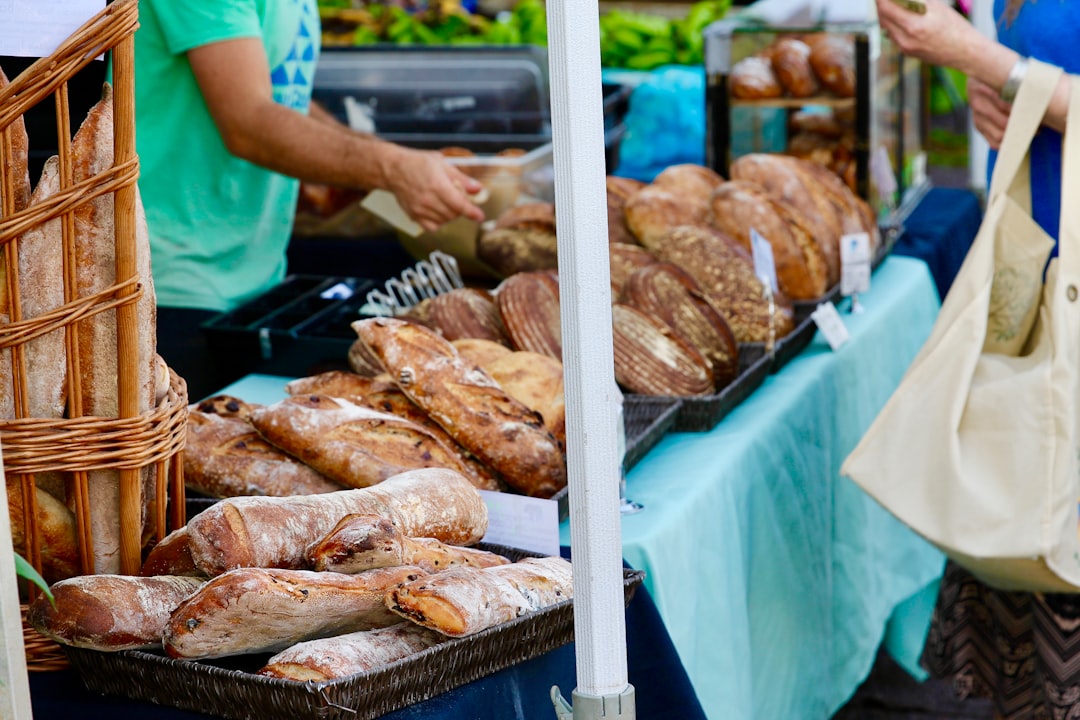
Die bretonische Galette de Sarrasin ist vielleicht die beliebteste natürlich weizenfreie Brottradition der EU. Bäcker stellen sie ausschließlich aus Buchweizenmehl, Wasser, Salz und Geduld her. Trotz des Wortes „Weizen“ im Namen ist Buchweizen überhaupt kein Getreide. Es enthält kein Gluten und ist eigentlich ein Samen, dessen reichhaltiges und nussiges Profil eine Tiefe verleiht, die herkömmlichen Laiben oft fehlt.

Die Galette genießt in Frankreich einen geschützten kulturellen Status und bleibt zentral für die bretonische Identität. Straßen-Crêperien in Quimper und Rennes servieren sie gefaltet mit Schinken, Ei und gereiftem Käse – eine Kombination, die ebenso raffiniert wie uralt ist. Die Buchweizenernte im Spätsommer macht dies zum idealen Zeitpunkt, um eine authentische Version zu finden.
Die Toskana und Castagnaccio
Castagnaccio ist das außergewöhnliche Kastanienbrot der Toskana, und es stellt keine Ansprüche an die Weizenfamilie. Das Rezept verlangt nach Kastanienmehl, Wasser, Olivenöl, Rosmarin und Pinienkernen. Kastanienmehl verleiht diesem weizenfreien Brot seinen unverwechselbaren, behaglichen, saisonalen Geschmack. Es ist dicht, leicht bitter und intensiv aromatisch.
Toskanische Dörfer backen Castagnaccio seit dem Mittelalter, als Kastanienbäume die Hügel des Apennins bedeckten und ganze Gemeinschaften durch den Winter brachten. Heute folgen kleine Handwerksbäckereien im Garfagnana-Tal noch immer der ursprünglichen Methode. Der Laib benötigt kein Backtriebmittel und kein anderes Gerät als eine flache Terrakottaform und einen guten Ofen.

Litauen und dunkles Roggenbrot
Litauens dunkles Roggenbrot zählt zu den kulturell bedeutendsten weizenfreien Brottraditionen in der nordöstlichen Ecke der EU. Jede Art der dichten Roggenbrote Litauens erzählt eine Geschichte von ihren Ursprüngen, lokalen Zutaten und traditionellen Methoden. Roggen gedieh in den kalten, sauren Böden des Baltikums, wo Weizen nie recht wuchs.
Roggenbrot enthält kein Weizenmehl und hat einen niedrigeren glykämischen Index als Weizenbrote, was den Blutzuckerspiegel weniger belastet. Litauische Bäcker lassen ihren Teig lange gären, was Laibe mit einem tiefen, komplexen Geschmack und einer festen Krume hervorbringt. Das Brot begleitet jede Mahlzeit, von einfachen Aufstrichen bis hin zu aufwendigen Festtafeln.
Stimmen aus der handwerklichen Bäcker-Community
Eine Perspektive auf das kulturelle Erbe weizenfreien Brotes
Über Generationen hinweg basierten die ehrlichsten Brote Europas nie auf Weizen. Sie basierten auf Notwendigkeit, auf dem Terroir, auf dem, was Wald und Feld tatsächlich hergaben. Buchweizen in der Bretagne, Kastanien in der Toskana, Roggen im Baltikum: Jedes Mehl trägt die Erinnerung an eine Landschaft in sich. Was wir heute sehen, ist kein glutenfreier Trend. Es ist eine Wiederentdeckung dessen, was europäische Gemeinschaften bereits wussten. Wenn Verbraucher in dieser Erntesaison ein regionales, weizenfreies Brot wählen, treffen sie nicht nur eine ernährungsbedingte Entscheidung. Sie entscheiden sich dafür, eine lebendige Tradition am Leben zu erhalten. Dieser Akt der Wahl hat ein echtes kulturelles und wirtschaftliches Gewicht für kleine Erzeuger in der gesamten EU.
Branchenperspektive, Fachleute für handwerkliches Backen und kulinarisches Erbe in Europa
Portugal und Broa de milho
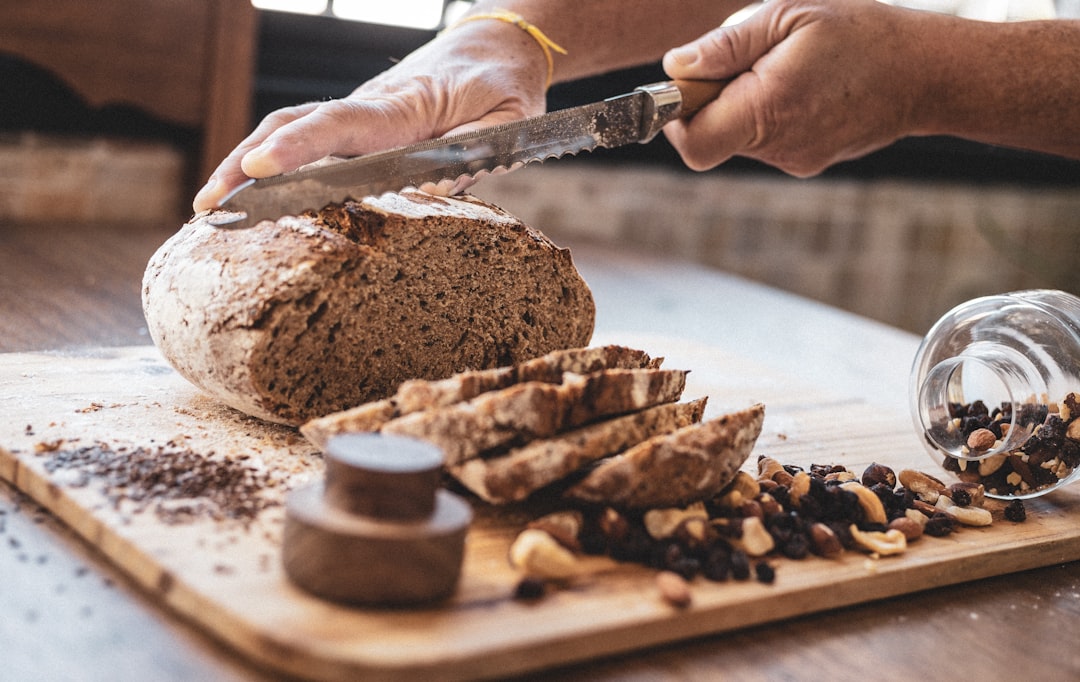
Broa de milho ist das traditionelle Maisbrot aus Nordportugal, und es enthält keinen Weizen. Bäcker mischen steingemahlenes weißes Maismehl mit Roggenmehl, Wasser und einem natürlichen Sauerteigstarter. Die Kruste bildet eine dicke, goldene Hülle und das Innere bleibt mehrere Tage lang dicht und saftig.
Das Brot stammt aus den Regionen Minho und Douro, wo der Mais im 16. Jahrhundert aus Amerika eintraf und schnell in die lokale Landwirtschaft integriert wurde. Heute passt Broa ganz natürlich zur portugiesischen Caldo-Verde-Suppe. Es stellt eines der klarsten Beispiele dafür dar, wie regionale Lebensmitteltraditionen der EU neue Zutaten aufnahmen, ohne die lokale Identität aufzugeben.
Slowenien und Ajdov kruh
Sloweniens Ajdov kruh ist ein Buchweizenbrot aus dem alpinen Hinterland, das eine stille Eleganz besitzt, die zur Berglandschaft des Landes passt. Bäcker mischen Buchweizenmehl mit kleinen Mengen anderer natürlich weizenfreier Mehle und formen den Teig dann von Hand zu runden, rustikalen Laiben. Der Geschmack ist erdig und leicht nussig, mit einer festen Textur, die hervorragend zu gereiftem Schafskäse und Waldhonig passt.
Europäische Brote spiegeln das reiche kulinarische Erbe des Kontinents wider, wobei jede Sorte eine Mischung aus sorgfältig ausgewählten Zutaten ist, die die Zeit überdauert haben. Ajdov kruh erscheint jeden Herbst auf slowenischen Erntefesten und wird auf Holzbrettern neben lokalem Aufschnitt serviert. Es ist ein Brot, das gleichermaßen nach Höhenluft und Tradition schmeckt.
Sardinien und Carasau
Sardiniens Pane Carasau ist eine hauchdünne weizenfreie Brottradition, die bis in die Nuraghen-Zeit zurückreicht. Verschiedene Regionen entwickelten ihre eigenen charakteristischen Stile, geprägt von lokalem Getreide, Klima und kulinarischer Kreativität. Carasau basiert auf fein gemahlenem Grieß aus sardischem Hartweizen, der botanisch vom gewöhnlichen Weizen verschieden und ernährungsphysiologisch anders ist. Einige handwerkliche Versionen verwenden Gerste oder eine Mischung, die normalen Weizen vollständig ausschließt.
Das Brot wird zweimal gebacken: erst als dünne Scheibe, dann aufgespalten und erneut in den Ofen geschoben, bis es knusprig und fast durchscheinend wird. Hirten trugen es wochenlang über die Hochebenen des Inselinneren mit sich. Heute servieren Michelin-Sterne-Restaurants in Cagliari es zu rohem Fisch und gereiftem Pecorino – ein Beweis dafür, dass sich uralte und zeitgenössische Identität einen Teller teilen können.
Galicien und Borona
Borona ist das uralte Maisbrot aus Galicien im Nordwesten Spaniens, das sich keinerlei Zutaten mit gewöhnlichem Weizen teilt. Köche mischen fein gemahlenen Mais mit Wasser, Salz und einer natürlichen Sauerteigkultur und wickeln den Teig dann in Kohlblätter, bevor sie ihn in einen holzbefeuerten Ofen schieben. Das Ergebnis ist ein Laib mit einem rauchigen, rustikalen Charakter, der sich von allem unterscheidet, was industrielle Bäckereien produzieren.
Das Marktwachstum bei weizenfreien Lebensmitteln in Europa wird durch das steigende Gesundheitsbewusstsein und eine umfassende Umstellung auf gesündere, allergenfreie Ernährungsweisen sowie die wachsende Nachfrage nach Clean-Label-, natürlichen und pflanzlichen Lebensmitteln vorangetrieben. Borona reicht in Galicien bis in die Zeit vor den Römern zurück und überdauerte Jahrhunderte des landwirtschaftlichen Wandels. Lokale Lebensmittelfeste in der Region Ribeiro feiern es noch heute jede Erntesaison als lebendiges Symbol der galicischen Landkultur.
Warum diese Traditionen heute wichtig sind
Weizenfreies Brot ist keine moderne Erfindung. Es ist eine Rückkehr. Diese 7 Traditionen in der gesamten EU beweisen, dass regionale Backkulturen hochentwickelte, nahrhafte und schöne Laibe entwickelten, lange bevor Weizen zum Standardgetreide europäischer Bäckereien wurde. Die zunehmende Diagnose von Zöliakie, die wachsende Verbreitung gesundheitsorientierter Lebensstile und die rasante Expansion des E-Commerce treiben die erneute Nachfrage nach diesen Alternativen an. Doch der tiefste Grund, sie in dieser Erntesaison zu suchen, ist kultureller, nicht medizinischer Natur.

Jedes weizenfreie Brot auf dieser Liste trägt eine geschützte Identität in sich: eine Landschaft, eine Gemeinschaft und eine Art zu verstehen, was Essen bedeuten kann. Sophie Marchand lädt Sie ein, einen spezialisierten Erzeuger zu finden, direkt bei einer Handwerkskooperative zu bestellen und einen dieser außergewöhnlichen Laibe in die Mitte Ihrer herbstlichen Tafel zu stellen. Weizenfreies Brot gehört auf jede raffinierte europäische Speisekarte, nicht als Ersatz, sondern als ein Original.
-



Entdecken Sie mehr über weizenfreies Brot
- EU-Getreide und Broterbe, Europäische Kommission
- Marktbericht zu glutenfreien Lebensmitteln und Getränken in Europa, Mordor Intelligence
- Europäische Backkunst: Erbe in jedem Laib, Amazing Food and Drink
Ursprünglich veröffentlicht auf EUwebzine.