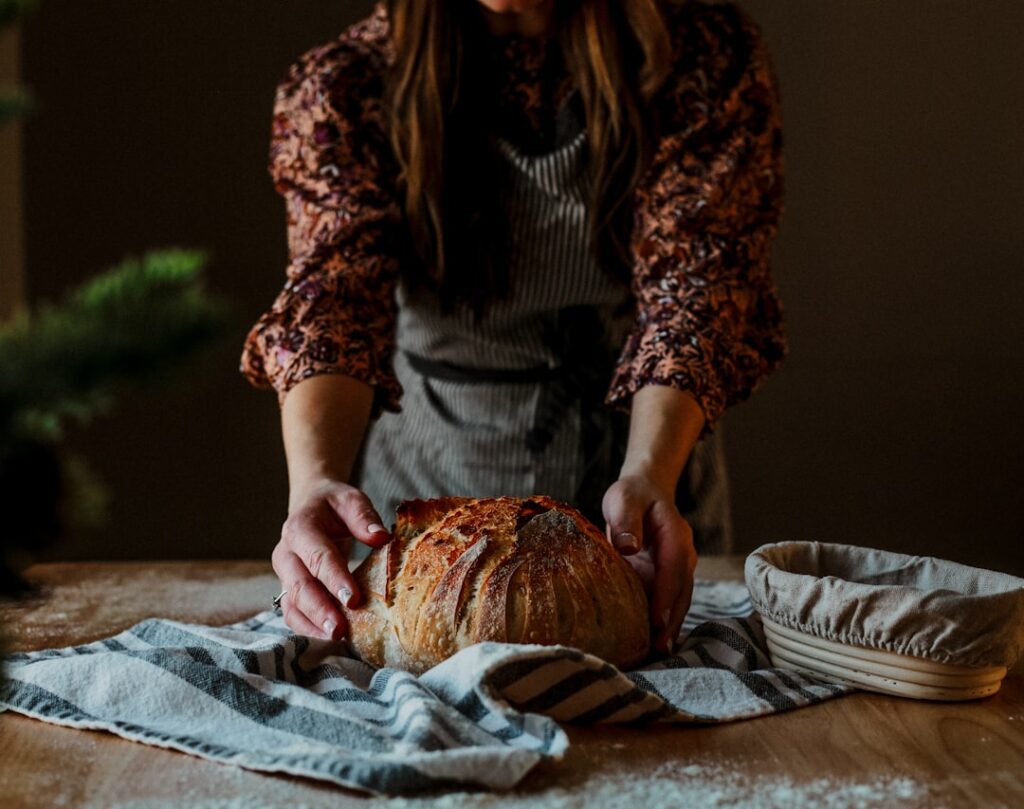
Tarwevrij brood neemt een stille, lichtgevende plek in binnen de Europese culinaire herinnering: lang voordat de moderne landbouw de graanvoorraad standaardiseerde, bouwden gemeenschappen in de hele EU hun maaltijden rond wat het lokale land hen bood.
Bretagne en de galette de sarrasin
De galette de sarrasin uit Bretagne is misschien wel de meest geliefde, van nature tarwevrije broodtraditie van de EU. Bakkers maken het volledig van boekweitmeel, water, zout en geduld. Ondanks het woord "tarwe" in de naam, is boekweit helemaal geen graan. Het bevat geen gluten en is in feite een zaadje, waarbij het rijke en nootachtige profiel diepgang biedt die standaard broden vaak missen.
De galette heeft een beschermde culturele status in Frankrijk en blijft centraal staan in de Bretonse identiteit. Straatkraampjes in Quimper en Rennes serveren het gevouwen rond ham, ei en oude kaas, een combinatie die even verfijnd als eeuwenoud is. Het boekweitoogstseizoen in de nazomer maakt dit het ideale moment om op zoek te gaan naar een authentieke versie.
Toscane en castagnaccio
Castagnaccio is het bijzondere kastanjebrood uit Toscane, en het heeft niets nodig van de tarwefamilie. Het recept vraagt om kastanjemeel, water, olijfolie, rozemarijn en pijnboompitten. Kastanjemeel geeft dit tarwevrije brood zijn kenmerkende, behaaglijke seizoenssmaak. Het is compact, licht bitter en intens aromatisch.
Toscaanse dorpen bakken al sinds de middeleeuwen castagnaccio, toen kastanjebomen de heuvels van de Apennijnen bedekten en hele gemeenschappen door de winter hielpen. Vandaag de dag volgen kleine ambachtelijke bakkerijen in de Garfagnana-vallei nog steeds de oorspronkelijke methode. Het brood heeft geen rijsmiddel en geen andere uitrusting nodig dan een brede terracotta schaal en een goede oven.

Litouwen en donker roggebrood
Het donkere roggebrood uit Litouwen is een van de meest cultureel belangrijke tarwevrije broodtradities in de noordoostelijke hoek van de EU. Elk type van de compacte roggebroden uit Litouwen vertelt een verhaal over zijn oorsprong, lokale ingrediënten en traditionele methoden. Rogge gedijde goed in de koude, zure Baltische bodems waar tarwe nooit goed groeide.
Roggebrood bevat geen tarwebloem en heeft een lagere glycemische index dan op tarwe gebaseerde broden, wat minder invloed heeft op de bloedsuikerspiegel. Litouwse bakkers laten hun deeg langdurig fermenteren, wat broden oplevert met een diepe, complexe smaak en een stevige kruim. Het brood vergezelt elke maaltijd, van eenvoudige zuivelspreads tot uitgebreide feestelijke tafels.
Stemmen uit de ambachtelijke bakkersgemeenschap
Een erfgoedperspectief op tarwevrij brood
Generaties lang waren de meest eerlijke broden in Europa nooit gebaseerd op tarwe. Ze waren gebouwd op noodzaak, op terroir, op wat het bos en het veld daadwerkelijk boden. Boekweit in Bretagne, kastanje in Toscane, rogge in de Baltische staten: elk meel draagt de herinnering van een landschap met zich mee. Wat we nu zien is geen glutenvrije trend. Het is een herontdekking van wat Europese gemeenschappen al wisten. Wanneer consumenten dit oogstseizoen kiezen voor een regionaal tarwevrij brood, maken ze niet alleen een dieetkeuze. Ze kiezen ervoor om een levende traditie in stand te houden. Die daad van kiezen heeft echt cultureel en economisch gewicht voor kleine producenten in de hele EU.
Industrieperspectief, professionals in ambachtelijk bakken en voedselerfgoed in Europa

Portugal en broa de milho
Broa de milho is het traditionele maïsbrood uit Noord-Portugal en het bevat geen tarwe. Bakkers mengen op steen gemalen witte maïsmeel met roggemeel, water en een natuurlijke zuurdesemstarter. De korst vormt een dikke, goudkleurige schil en de binnenkant blijft enkele dagen compact en vochtig.
Het brood is ontstaan in de regio's Minho en Douro, waar maïs in de 16e eeuw vanuit Amerika aankwam en snel werd opgenomen in de lokale landbouw. Tegenwoordig gaat broa van nature goed samen met de Portugese soep caldo verde. Het vertegenwoordigt een van de duidelijkste voorbeelden van hoe regionale voedseltradities in de EU nieuwe ingrediënten absorbeerden zonder de lokale identiteit op te geven.
Slovenië en ajdov kruh
Ajdov kruh uit Slovenië is een boekweitbrood uit het alpiene binnenland, en het draagt een stille elegantie die past bij het berglandschap van het land. Bakkers mengen boekweitmeel met kleine hoeveelheden andere van nature tarwevrije meelsoorten en vormen het deeg vervolgens met de hand tot ronde, rustieke broden. De smaak is aards en licht nootachtig, met een stevige textuur die past bij oude schapenkaas en boshoning.
Europese broden weerspiegelen het rijke culinaire erfgoed van het continent, waarbij elk type een mix is van zorgvuldig gekozen ingrediënten die de tand des tijds hebben doorstaan. Ajdov kruh verschijnt elke herfst op Sloveense oogstfeesten, geserveerd op houten planken naast lokale gedroogde vleeswaren. Het is een brood dat in gelijke mate smaakt naar hoogte en traditie.
Sardinië en carasau
Pane carasau van Sardinië is een flinterdunne tarwevrije broodtraditie die teruggaat tot de Nuraghe-beschaving. Verschillende regio's ontwikkelden hun eigen kenmerkende stijlen, elk gevormd door lokale granen, klimaat en culinaire creativiteit. Carasau vertrouwt op fijn gemalen griesmeel van Sardijnse durumtarwe, dat botanisch gezien verschilt van gewone tarwe en nutritioneel anders is. Sommige ambachtelijke versies gebruiken gerst of een mengsel dat gewone tarwe volledig uitsluit.
Het brood wordt twee keer gebakken, eerst als een dunne schijf, daarna gespleten en terug in de oven geplaatst totdat het knapperig en bijna doorschijnend wordt. Herders droegen het wekenlang bij zich over de hoogvlaktes van het eiland. Tegenwoordig serveren sterrenrestaurants in Cagliari het naast rauwe vis en oude pecorino, het bewijs dat oude en hedendaagse identiteit hetzelfde bord kunnen delen.
Galicië en borona
Borona is het eeuwenoude maïsbrood uit Galicië in het noordwesten van Spanje, en het deelt geen enkel ingrediënt met gewone tarwe. Koks mengen fijn gemalen maïs met water, zout en een natuurlijke rijsmiddelcultuur, en wikkelen het deeg vervolgens in koolbladeren voordat ze het in een houtoven plaatsen. Het resultaat is een brood met een rokerig, rustiek karakter dat niet te vergelijken is met wat industriële bakkerijen produceren.
De marktgroei van Europese tarwevrije voedingsmiddelen wordt gestuwd door een toenemend gezondheidsbewustzijn en een bredere verschuiving naar gezondere, allergeenvrije diëten, naast de groeiende vraag naar 'clean-label', natuurlijke en plantaardige voedingsmiddelen. Borona dateert van vóór de Romeinse tijd in Galicië en heeft eeuwen van agrarische verandering overleefd. Lokale voedselfeesten in de regio Ribeiro vieren het nog steeds elk oogstseizoen als een levend symbool van de Galicische plattelandscultuur.
Waarom deze tradities vandaag de dag belangrijk zijn
Tarwevrij brood is geen moderne uitvinding. Het is een terugkeer. In de hele EU bewijzen deze 7 tradities dat regionale bakculturen verfijnde, voedzame en prachtige broden ontwikkelden lang voordat tarwe het standaardgraan van Europese bakkerijen werd. De toenemende diagnose van coeliakie, de groeiende adoptie van op welzijn gerichte levensstijlen en de snelle expansie van e-commerce drijven allemaal de hernieuwde vraag naar deze alternatieven aan. Toch is de diepste reden om ze dit oogstseizoen op te zoeken cultureel, niet medisch.

Elk tarwevrij brood op deze lijst draagt een beschermde identiteit: een landschap, een gemeenschap en een manier om te begrijpen wat voedsel kan betekenen. Sophie Marchand nodigt je uit om een gespecialiseerde producent te vinden, direct bij een ambachtelijke coöperatie te bestellen en een van deze bijzondere broden in het middelpunt van je herfsttafel te plaatsen. Tarwevrij brood hoort op elk verfijnd Europees menu thuis, niet als vervanger, maar als een origineel.
Ontdek meer over tarwevrij brood
- EU-graan- en brooderfgoed, Europese Commissie
- Marktrapport over glutenvrije voeding en dranken in Europa, Mordor Intelligence
- Europees brood bakken: erfgoed in elk brood, Amazing Food and Drink
Oorspronkelijk gepubliceerd op EUwebzine.