
Las etiquetas de alimentos japoneses tienen una belleza discreta: columnas de caracteres precisos, cada ingrediente nombrado con cuidado, pero para cualquiera que evite el gluten, esa elegancia puede ocultar un riesgo real.
Por qué las etiquetas de alimentos japoneses funcionan diferente para el gluten
El sistema de alérgenos de Japón se centra en alérgenos como el trigo, no en una definición legal de "sin gluten". La frase "sin gluten" no está regulada por un umbral nacional como lo está en países como Estados Unidos y Canadá. Esta diferencia importa mucho para las personas con enfermedad celíaca o sensibilidad grave al gluten.

Un sistema de etiquetado de alimentos para ingredientes alergénicos fue mandatado bajo la Ley de Saneamiento de Alimentos en Japón el 1 de abril de 2002. En 2010, la gestión de la política de etiquetado de alimentos se trasladó a la Agencia de Asuntos del Consumidor de Japón (CAA). La CAA luego estableció la Ley de Etiquetado de Alimentos, que entró en vigor en 2015.
Según las reglas actuales, 8 alérgenos requieren etiquetado obligatorio: camarones, cangrejo, nueces, trigo, alforfón, huevo, leche y cacahuetes. El gluten como categoría no aparece en esta lista. El gluten no es una categoría en la ley japonesa. Solo el trigo debe ser etiquetado. Esto significa que la cebada, el centeno, la avena y la malta no están etiquetados, por lo que cualquier cosa con salsa de soja, miso o mezclas de condimentos requiere una mirada más cercana.
El kanji central para etiquetas de alimentos japoneses
El carácter más importante a aprender es 麦 (mugi). El carácter kanji 麦 (mugi) aparece como parte de muchos nombres de granos: 小麦 significa trigo, 麦 o 大麦 significa cebada, ライ麦 significa centeno, y 燕麦 significa avena. Una vez que reconoces 麦, puedes identificar los 4 tipos de granos.

Otros 2 caracteres críticos son 麩 (fu) y セイタン (seitan). El seitan se utiliza como sustituto de carne en algunas comidas vegetarianas budistas y en ciertos alimentos de la ceremonia del té. El fu y el seitan están hechos de gluten concentrado y deben evitarse. Fu (麩) y seitan (セイタン) son los kanji clave a conocer.
Además, 醤油 (shoyu, salsa de soja) casi siempre contiene trigo. La salsa de soja casi siempre contiene trigo, incluso cuando el plato en el que aparece parece naturalmente seguro. Guarda estos caracteres en tu teléfono antes de tu próxima visita al supermercado.
Cómo las etiquetas de alimentos japoneses muestran información sobre alérgenos
Algunas empresas enumeran los alérgenos después de cada ingrediente individual. Por ejemplo, un paquete de caldo de pollo puede listar "(soja, cerdo, lácteos y trigo)" directamente después del ingrediente "extracto de pollo".
Muchos paquetes enumeran todos los alérgenos juntos al final de la lista de ingredientes, similar al formato estadounidense que dice "contiene soja, trigo" en la parte inferior. El etiquetado en tiendas de conveniencia (konbini) es consistente y detallado, lo que hace que sea más fácil verificar los ingredientes que en muchos supermercados occidentales. Las listas de alérgenos obligatorios y recomendados se imprimen en el empaque, y puedes buscar la sección de resumen de alérgenos, generalmente en una caja con borde cerca de los ingredientes.
Sin embargo, esta caja útil no es un requisito legal en todos los productos. Si evitas el gluten por razones médicas como la enfermedad celíaca, ten en cuenta que la cebada o el centeno pueden no ser capturados por la línea de alérgenos de trigo, por lo que aún necesitas leer la lista completa de ingredientes. Siempre verifica tanto la caja de resumen como el texto completo de ingredientes.
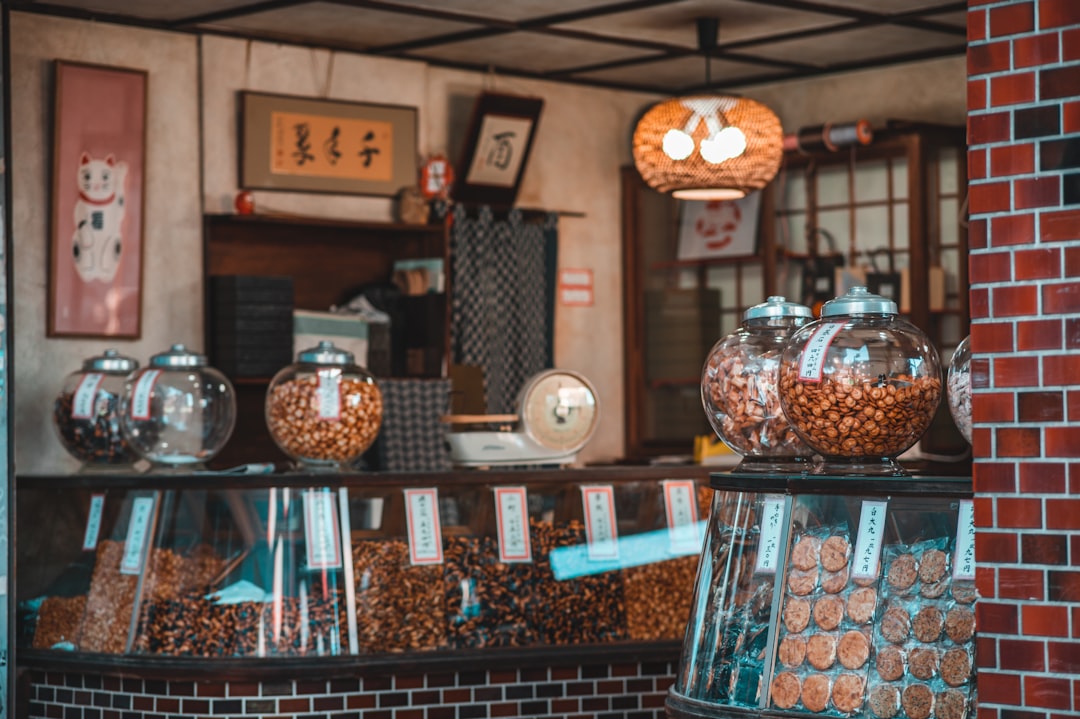
Perspectiva experta sobre el gluten y las etiquetas de alimentos japoneses
Leer etiquetas de alimentos japoneses para el gluten requiere un modelo mental diferente del que generalmente usan los compradores de Europa o América del Norte. El sistema aquí está construido alrededor de proteínas alergénicas específicas, no alrededor del concepto más amplio de "gluten" como una categoría. El trigo se declara de manera clara y consistente, y eso es genuinamente útil. La brecha aparece con la cebada, el centeno e ingredientes fermentados como ciertos misos y vinagres. Un comprador que confía solo en la caja de resumen de alérgenos puede pasar estos por alto completamente. El enfoque más efectivo es tratar cada producto como dos verificaciones separadas: primero, confirmar que no hay trigo en la declaración de alérgenos, luego escanear la lista completa de ingredientes para 麦, 麸, 醤油 y cualquier mezcla de condimentos donde la fuente de grano no está listada. Este método de dos pasos es más lento, pero genera confianza real con el tiempo y reduce el riesgo de una reacción de un ingrediente que la ley actualmente no requiere que sea destacado.
Perspectiva de la industria, profesionales de alergias alimentarias y etiquetado dietético en Tokio





Fuentes ocultas de gluten en compras en Tokio
Entre los alimentos japoneses, la mayoría de tipos de fideos contienen gluten, incluyendo ramen y udon. El soba es un fideo de alforfón y tradicionalmente es libre de gluten, pero los fideos soba ahora a menudo se hacen usando una combinación de harina de alforfón y trigo. Siempre verifica la proporción en el paquete.
Aunque el té puede parecer una opción libre de gluten, a menudo no es así. El té de cebada, llamado mugicha en japonés, es una bebida popular en Japón y contiene gluten. Algunos productos están etiquetados como "sin gluten" en el sentido de "sin trigo" solamente. Una empresa de confitería japonesa confirmó que usa el etiquetado "sin gluten" según los requisitos de alimentos de Japón, no necesariamente el estándar mundial.
Debes leer cada lista de ingredientes y buscar certificaciones de terceros reconocidas sin gluten cuando sea posible. Un producto con una afirmación de "sin gluten" en inglés aún requiere verificación completa de kanji en Japón.
Lectura de etiquetas de alimentos japoneses con confianza
Las etiquetas de alimentos japoneses recompensan al lector que es paciente y está preparado. Si puedes nombrar los ingredientes específicos que necesitas evitar, de manera clara y por escrito, la cultura alimentaria de Japón es notablemente buena para trabajar con eso. Imprime o guarda tu lista de referencia de kanji personal en tu teléfono antes de cada viaje de compras.
Comienza con 3 caracteres: 小麦 (trigo), 大麦 (cebada), y ライ麦 (centeno). Agrega 麸 (fu, gluten de trigo) y 醤油 (salsa de soja) a tu lista. Estos 5 elementos cubren la mayoría de fuentes de gluten oculto en etiquetas de alimentos japoneses en los pasillos de supermercados y konbini de Tokio. Cuando la lista de ingredientes usa un término general como "condimento" (調味料), trátalo con cautela y contacta al fabricante si es necesario.
Leer etiquetas de alimentos japoneses no es un acto único de traducción. Es un ritual diario, como verificar la calidad de una tela antes de comprarla o probar un caldo antes de que llegue a la mesa. Con el kanji correcto en tu mano, cada visita a un supermercado de Tokio se convierte en una práctica de cuidado y claridad.
Descubre más sobre etiquetas de alimentos japoneses
- Japan Consumer Affairs Agency: Food Labelling
- Japanese Food Allergy-Labeling System: Detection and Thresholds (investigación revisada por pares PMC)
- Why Japan Handles Food Allergies Differently: A Traveller’s Guide
Publicado originalmente en TOKYOwebzine.