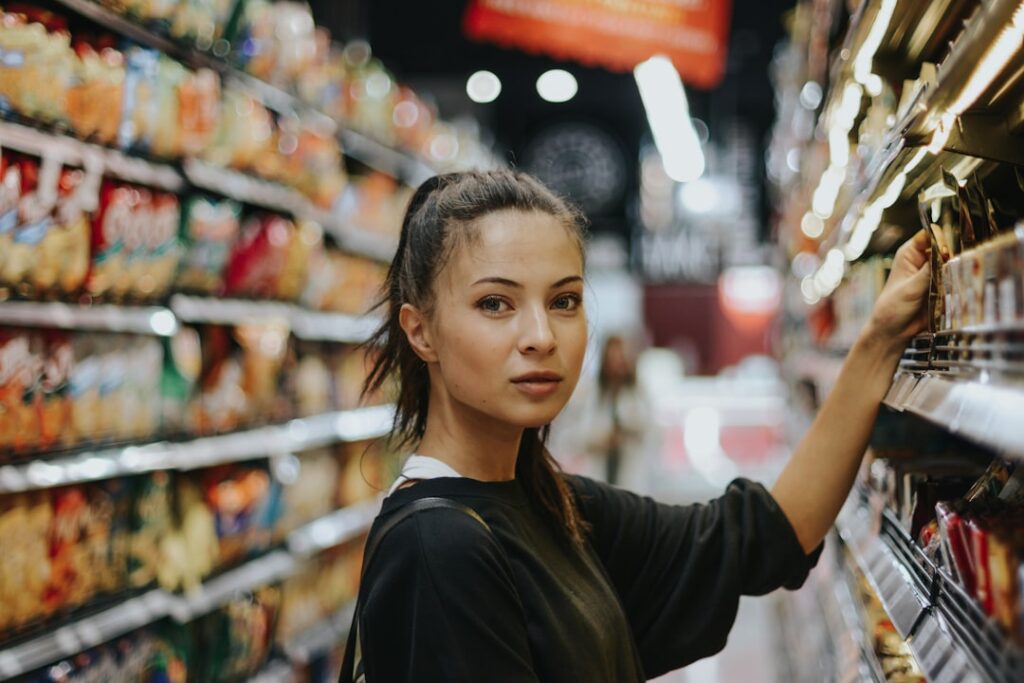
Japanse voedseletiketten hebben een stille schoonheid: kolommen met precieze karakters, elk ingrediënt zorgvuldig benoemd, maar voor iedereen die gluten vermijdt, kan die elegantie een echt risico verbergen.
Waarom Japanse voedseletiketten anders werken voor gluten
Het allergeeensysteem van Japan richt zich op allergenen zoals tarwe, niet op een wettelijke definitie van "glutenvrij". De uitdrukking "glutenvrij" wordt niet geregeld door een nationale drempel zoals in landen zoals de Verenigde Staten en Canada. Dit verschil is van groot belang voor mensen met coeliakie of ernstige glutengevoeligheid.

Een voedseletiketteringssysteem voor allergene ingrediënten werd verplicht gesteld onder de Voedselwet van Japan op april 1, 2002. In 2010 verplaatste het beheer van voedseletiketteringsbeleid zich naar het Japanese Consumer Affairs Agency (CAA). Het CAA stelde vervolgens de Food Labeling Act vast, die in 2015 van kracht werd.
Volgens de huidige regels zijn 8 allergenen verplicht gelabeld: garnalen, krab, walnoten, tarwe, boekweit, ei, melk en pinda's. Gluten komt als categorie niet op deze lijst voor. Gluten is geen categorie in Japanse wet. Alleen tarwe moet gelabeld worden. Dit betekent dat gerst, rogge, haver en mout niet gelabeld zijn, dus alles met sojasaus, miso of kruidenmixen vereist nader onderzoek.
De kernkanji voor Japanse voedseletiketten
Het belangrikste teken om te leren is 麦 (mugi). Het kanjikarakter 麦 (mugi) verschijnt als onderdeel van veel graannamen: 小麦 betekent tarwe, 麦 of 大麦 betekent gerst, ライ麦 betekent rogge, en 燕麦 betekent haver. Zodra je 麦 herkent, kun je alle 4 granen identificeren.

2 andere kritieke karakters zijn 麩 (fu) en セイタン (seitan). Seitan wordt gebruikt als vleesvervanging in sommige vegetarische boeddhistische keuken en in bepaalde theeceremonie-gerechten. Fu en seitan zijn gemaakt van geconcentreerd gluten en moeten vermeden worden. Fu (麩) en seitan (セイタン) zijn de sleutelkanji om te kennen.
Bovendien bevat 醤油 (shoyu, sojasaus) bijna altijd tarwe. Sojasaus bevat bijna altijd tarwe, zelfs wanneer het gerecht waarin het verschijnt er natuurlijk veilig uitziet. Sla deze karakters op op je telefoon voordat je volgende supermarktbezoek.
Hoe Japanse voedseletiketten allergeninformatie weergeven
Sommige bedrijven vermelden allergenen na elk afzonderlijk ingrediënt. Een pakket kippenbuillon kan bijvoorbeeld "(soja, varkensvlees, zuivel en tarwe)" direct na het ingrediënt "kippenextract" vermelden.
Veel pakketjes vermelden alle allergenen samen aan het einde van de ingrediëntenlijst, vergelijkbaar met het Amerikaanse format dat "bevat soja, tarwe" onderaan zegt. Labeling in gemaksvoedselwinkels (konbini) is consistent en gedetailleerd, wat het gemakkelijker maakt om ingrediënten te controleren dan in veel westerse supermarkten. Verplichte en aanbevolen allergeenlijsten worden op verpakkingen afgedrukt, en je kunt zoeken naar de allergeenoverzichtssectie, meestal in een omkaderd vak in de buurt van de ingrediënten.
Dit handige vak is echter geen wettelijke vereiste op elk product. Als je gluten vermijdt om medische redenen zoals coeliakie, let erop dat gerst of rogge niet door de tarweallergeenregel kunnen worden vastgelegd, dus je moet nog steeds de volledige ingrediëntenlijst lezen. Controleer altijd zowel het overzichtsvak als de volledige ingrediëntentekst.
Deskundige perspectief op gluten en Japanse voedseletiketten
Het lezen van Japanse voedseletiketten voor gluten vereist een ander gedachtenmodel dan winkeliers uit Europa of Noord-Amerika gewoonlijk gebruiken. Het systeem hier is gebaseerd op specifieke allergeïneproïenen, niet rond het bredere concept van "gluten" als categorie. Tarwe wordt duidelijk en consistent aangegeven, en dat is werkelijk behulpzaam. Het gat verschijnt bij gerst, rogge en gefermenteerde ingrediënten zoals bepaalde miso's en azijnen. Een winkelier die alleen op het allergeenoverzichtsvak vertrouwt, kan deze volledig missen. De meest effectieve benadering is om elk product als twee afzonderlijke controles te behandelen: controleer eerst of er geen tarwe in de allergeenverklaring staat, scan vervolgens de volledige ingrediëntenlijst voor 麦, 麸, 醤油 en elke kruidenmix waarbij de graanbron niet vermeld is. Deze twee-stappenmethode is langzamer, maar bouwt echte zekerheid op in de loop van de tijd en vermindert het risico op een reactie van een ingrediënt dat de wet momenteel niet hoeft te benadrukken.
Perspectief van de industrie, voedselallergieën en voedingsetiketteringsspecialisten in Tokio
Verborgen glutenbronnen bij het winkelen in Tokio
Bij Japanse gerechten bevatten de meeste noedelsoorten gluten, waaronder ramen en udon. Soba is een boekweitnoedel en traditioneel glutenvrij, maar sobanoedels worden nu vaak gemaakt met een combinatie van boekweit- en tarwebloem. Controleer altijd de verhouding op het pakket.
Hoewel thee een glutenvrije keuze lijkt te zijn, is dit vaak niet het geval. Gersteethee, mugicha in het Japans genoemd, is een populair drankje in Japan en bevat gluten. Sommige producten zijn gelabeld als "glutenvrij" in de zin van "tarwevrij" alleen. Een Japans snoepgoedbedrijf bevestigde dat zij "glutenvrij" labeling gebruiken onder Japanse voedselvoorschriften, niet noodzakelijk de wereldwijde norm.





Je moet elke ingrediëntenlijst lezen en indien mogelijk naar erkende onafhankelijke glutenvrije certificeringen zoeken. Een product met een "glutenvrij" claim in het Engels vereist nog steeds volledige kanjiverificatie in Japan.
Japanse voedseletiketten zelfverzekerd lezen
Japanse voedseletiketten belonen de lezer die geduldig en voorbereidt is. Als je de specifieke ingrediënten die je moet vermijden duidelijk en schriftelijk kunt noemen, is Japanse voedselcultuur opmerkelijk goed in het werken daarmee. Print of sla je persoonlijke kanjiverwijzingslijst op op je telefoon voordat je elke winkelronde begint.
Begin met 3 karakters: 小麦 (tarwe), 大麦 (gerst) en ライ麦 (rogge). Voeg 麸 (fu, tarwegluten) en 醤油 (sojasaus) toe aan je lijst. Deze 5 items dekken het grootste deel van de verborgen glutenbronnen op Japanse voedseletiketten in de supermarkten en konbini-gangpaden van Tokio. Wanneer de ingrediëntenlijst een algemene term gebruikt zoals "kruidenmix" (調味料), behandel dit voorzichtig en neem indien nodig contact op met de fabrikant.
Het lezen van Japanse voedseletiketten is niet een enkele vertaalhandeling. Het is een dagelijks ritueel, zoals het controleren van de kwaliteit van een stof voordat je deze koopt of het proeven van een bouillon voordat deze op tafel komt. Met de juiste kanji in je hand wordt elk supermarktbezoek in Tokio een oefening van zorg en duidelijkheid.
Ontdek meer over Japanse voedseletiketten
- Japan Consumer Affairs Agency: Food Labelling
- Japanese Food Allergy-Labeling System: Detection and Thresholds (PMC peer-reviewed research)
- Why Japan Handles Food Allergies Differently: A Traveller’s Guide
Oorspronkelijk gepubliceerd op TOKYOwebzine.