British food is not what it was, and Edinburgh’s festival season in 2026 makes that fact impossible to ignore.
Edinburgh as a culinary barometer
A city does not become a reliable measure of national taste by accident. Edinburgh earns that status because its festival calendar attracts producers, chefs, and consumers from every corner of Britain and beyond. The Edinburgh Foodies Festival, now in its 21st year, brings together top chefs, artisan producers, and street food traders at Inverleith Park for 3 days each August. Alongside it, the Edinburgh Folk and Food Festival returns as the city’s only free-to-enter food festival, running from 24 July to 2 August 2026 at George Square Gardens.
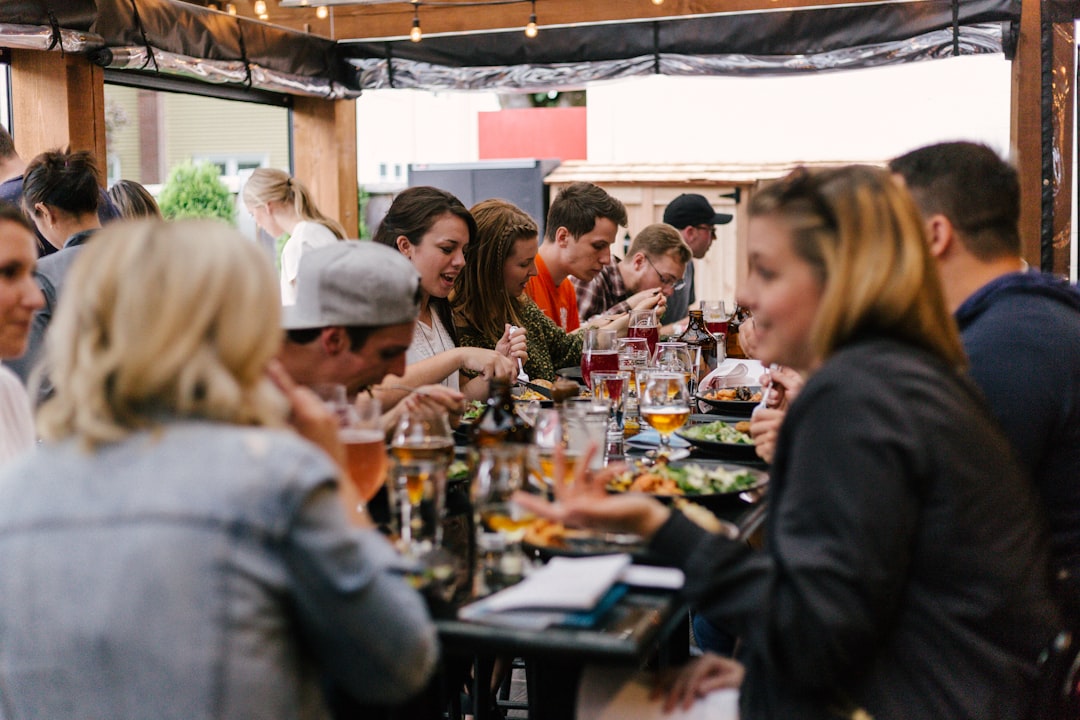
Together, these 2 events offer a remarkable cross-section of what British food culture values right now. They are not curated menus in a single restaurant. They are open, democratic spaces where thousands of people vote with their feet, their plates, and their spending.

Craft and provenance at the centre of British food
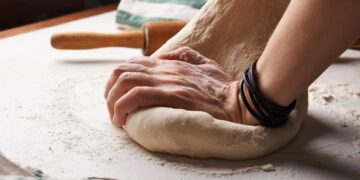
The most consistent signal at both festivals is the demand for craft. After years of ultra-processed substitutes and approximate alternatives, consumers are returning to recognisable ingredients and traditional food craftsmanship. This does not mean rejecting convenience, but rather choosing products that feel natural, minimally altered, and rooted in heritage.
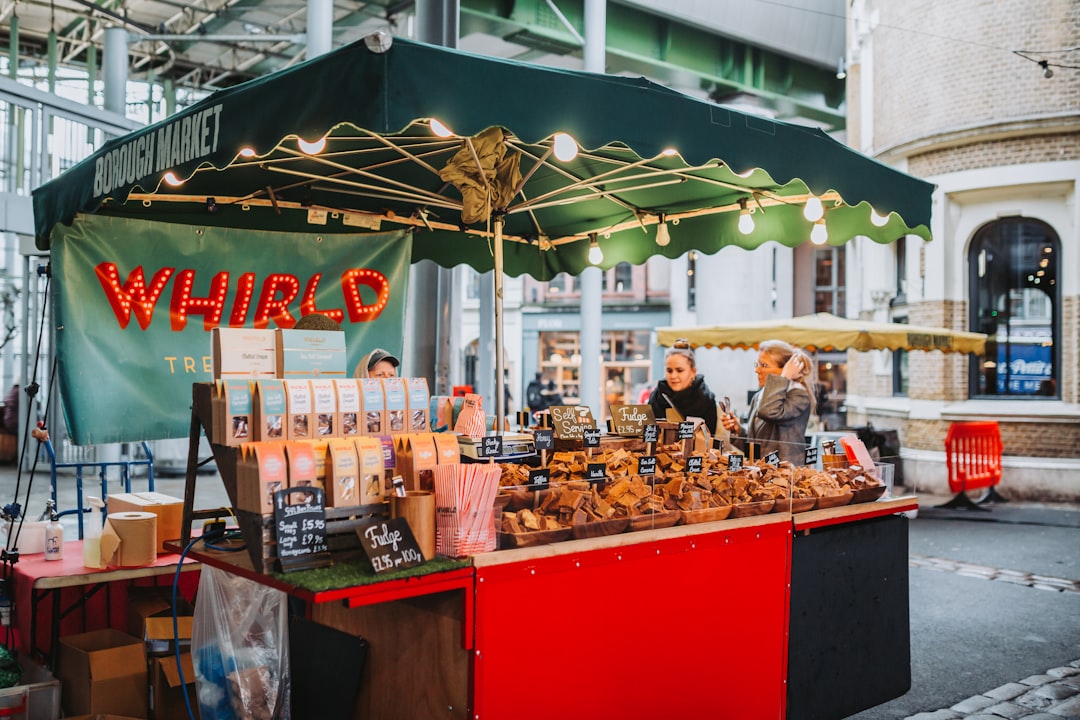
The festival offers visitors the opportunity to shop for ingredients from local producers who sell fresh seasonal produce and offer samples, with advice on how to make the most of Scotland’s abundant larder. This is not nostalgia. It is discernment. The premium consumer need is up 44.9% in the past year across the UK. Consumers are paying more, but only when the product earns it through provenance, craft, or story.
Global flavour meets local identity
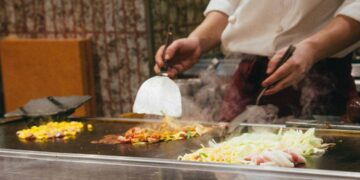
British food culture in 2026 does not choose between local and global. It insists on both. The Edinburgh Folk and Food Festival features more than 30 street food vendors and producers at George Square Gardens. Among them, vendors offer Sri Lankan street food, Middle Eastern and Mediterranean dishes, and handcrafted Chinese dumplings. These are not novelties. They sit beside award-winning Scottish pies and locally smoked fish without contradiction.

One of the biggest shifts in 2026 is the growing appetite for authentic and diverse world cuisines. Diners are increasingly keen to explore global flavours, and these are no longer exotic additions but mainstream inspirations across British menus, offering bold spice profiles and vibrant communal dishes. Edinburgh’s festival stages confirm this shift at street level, not just in fine dining rooms.
Expert perspective on British food in 2026
The trajectory of British food culture in 2026 is one of earned complexity. Consumers are not simply eating more globally. They are eating with greater awareness of where ingredients come from and what skill has been applied to them. The craft revival we see at festivals is inseparable from a broader shift toward transparency and provenance. People want to meet the producer, hear the story, and taste the difference. Festivals are the most honest environment for that exchange because the crowd decides immediately what has value. The festivals that thrive are those that balance genuine artisan quality with genuine accessibility, because British food culture today refuses to accept that the 2 are in opposition.
Industry perspective, food culture and festival programming professionals in the United Kingdom
The kitchen as a classroom
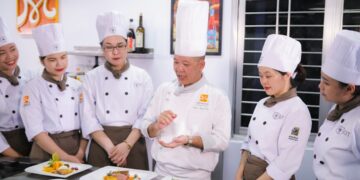
In the Chefs Theatre at the Foodies Festival, chefs create their signature dishes and demonstrate new techniques, cooking with locally sourced produce. Meanwhile, the Cake and Desserts Theatre features patisserie chefs and skilled bakers. This educational dimension matters. British food culture is not content simply to consume. It wants to understand.



A Wellbeing Village and Calm Kitchen explore mindful eating, budget-friendly recipes, and fitness fuel, while a Tasting Theatre offers visitors the chance to learn artisan skills including cheeseboards, charcuterie, and chocolate-making. These are not peripheral additions. They are central to what the modern British festival attendee expects.
In 2026, food is about balance: balance between health and indulgence, sustainability and convenience, tradition and innovation. Edinburgh’s festival programming reflects that balance with precision.
British food culture: what the festivals confirm
Edinburgh’s festivals in 2026 do not simply entertain. They document. British food has arrived at a point of genuine confidence. It no longer borrows global flavour apologetically, and it no longer dismisses classical craft in favour of trend. British cuisine is experiencing a revival, with guests seeking familiar flavours elevated by better ingredients and modern presentation. At the same time, the appetite for bold, unfamiliar food is broader than it has ever been.
British food culture is moving toward a table that is technically informed, globally curious, and deeply committed to the story behind every ingredient. Edinburgh shows us that this shift is not a forecast. It is already on the plate. If you are travelling to Scotland this season, do not miss the chance to taste that shift for yourself.
Discover more about British food
- Visit Scotland: Food and Drink
- Bidfood UK: Food and Drink Trends 2026
- Great British Chefs: Food Trends 2026