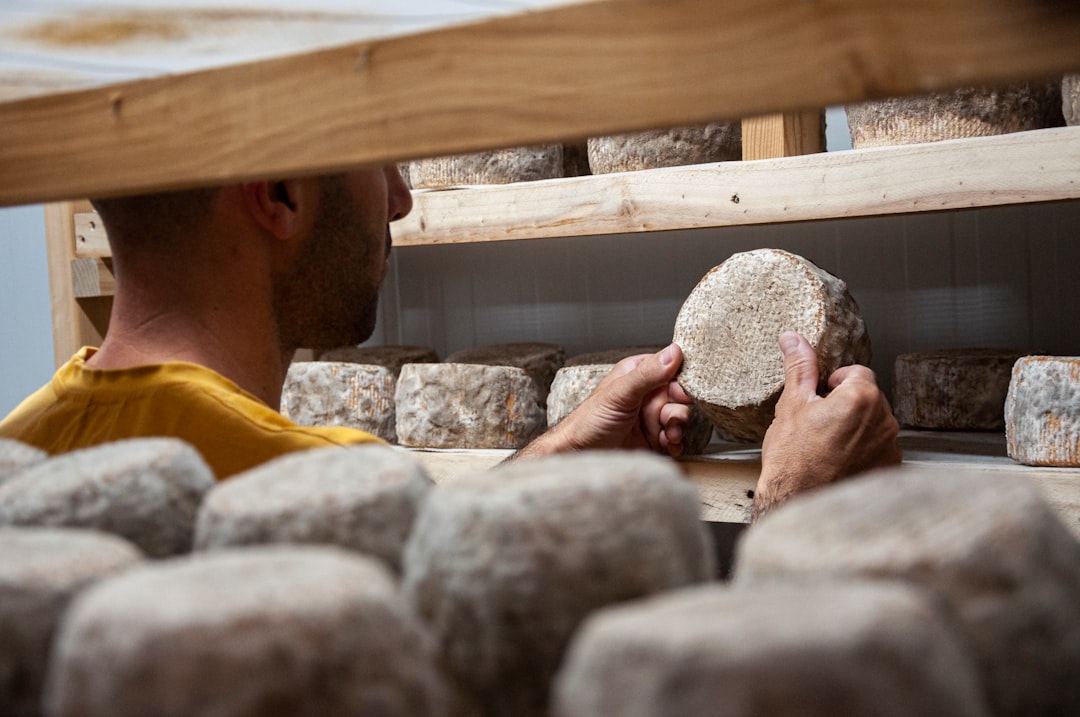
Artisan cheese stands at a turning point, and the American Cheese Society conference in Louisville, Kentucky, makes the direction unmistakable for anyone who cares about where food comes from.
Why Louisville matters for the craft cheese world
The American Cheese Society Annual Conference is the largest educational and networking event in the United States dedicated to cheese. The 2026 edition runs from July 7 to July 10 in Louisville, Kentucky. That location carries real meaning. The conference was previously held in Louisville in 2001, during a pivotal era when the domestic cheese movement was still gaining national recognition and many of today’s respected creameries were in their early years, defining what American artisan cheese could be.
Founded in 1983, the American Cheese Society was created to support a growing movement of small-scale cheesemakers who were reviving traditional methods and building a distinctly American cheese culture. What began as a small gathering of passionate producers has grown into a national organization representing thousands of members across the industry. Returning to Louisville 25 years later signals something deeper than nostalgia. It signals confidence.

Inspired by Louisville’s rich quilting heritage, the 2026 conference embraces the theme “Stitched Together by Cheese,” reflecting the idea that the strongest communities are built piece by piece. For those of us who study food cultures built on collective craft, this metaphor resonates. Latin American cheesemaking traditions, from the fresh queso blanco of Mexico to the aged cheeses of the Andes, have always survived through community. The best American producers now work the same way.
Sustainability moves to the center of artisan cheese production
The conference arrives at a moment when sustainability has stopped being a marketing claim and become a production philosophy. Sustainability, wellness, texture, and protein are among the key trends in the cheese industry right now, as confirmed by the Dairy Farmers of Wisconsin annual Wisconsin Cheese Trends Report, which explores how science, sustainability, and creativity are shaping the future of dairy.
The most exciting development is the concept of zero-waste cheesemaking. Cheesemakers are rethinking byproducts like whey. At Knowlton House Distillery in Wisconsin, the Mullins family gives whey a new purpose: the byproduct from cheesemaking becomes the base for spirits, with lactose-free vodka and gin distilled just across the street from the creamery. In the lab, the Center for Dairy Research is collaborating with campus groups to turn cheese byproducts into organic acids, bioplastics, natural colors, and prebiotics. These projects are helping companies scale technologies that add value to what used to be waste streams.

Supply chain transparency and ethical sourcing are also becoming essential, with consumers willing to pay more for cheese products backed by sustainability claims, grass-fed certifications, and animal welfare assurances. This trend pressures dairy farms and processing facilities to document and communicate their practices clearly. The ACS conference gives small producers the tools to meet that demand without losing the soul of their craft.
Wellness and flavor drive what consumers want from artisan cheese
Interest in whole body wellbeing continues to grow, and researchers are examining how aged and cultured dairy products may relate to areas such as digestion, cognitive function, and sleep. This is not a niche concern. Consumers across global markets now treat food as part of a health practice. Artisan cheese, with its fermented complexity and clean ingredient lists, sits perfectly in that space.
The trend also includes fermented and gut-friendly foods like raw-milk cheese, pushing the industry to innovate. At the same time, flavor exploration remains a powerful engine. A major trend for this period is the increasing preference for global flavor exploration and authenticity, with consumers seeking out specialized cheese varieties from specific international origins such as Italy, France, and Spain.
There is strong interest in bold, spicy flavors from places like the Mediterranean, Middle East, Korea, and Southeast Asia, with Gen Z leading this trend. Some cheeses, including Hispanic Queso Fresco, Cotija, and Oaxaca, are gaining significant popularity. This is a moment that should excite anyone who loves Latin American food culture. The flavors many of us grew up with are now at the leading edge of global artisan cheese.
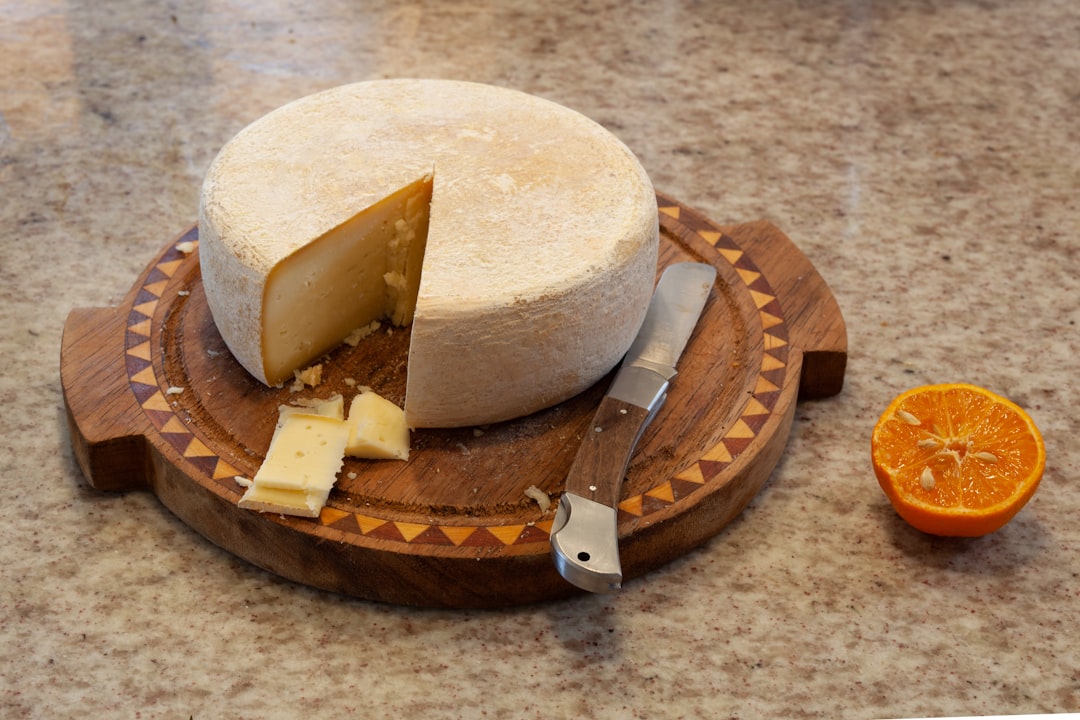
Expert perspective on the future of artisan cheese
The artisan cheese industry is at an inflection point where craft alone is no longer enough to differentiate a product. Producers must now tell a complete story: where the animals graze, how the milk is handled, what happens to every byproduct, and how the cheese connects to a broader food culture. Consumers in 2026 are sophisticated. They ask questions at the counter, they research producers online, and they reward transparency with loyalty. Sustainability is not a cost; it is a competitive advantage. The producers who thrive in the next decade will be the ones who build community, share knowledge freely, and treat their craft as a living tradition rather than a fixed formula.
Industry perspective, artisan cheese and specialty food professionals
How the ACS competition reflects where artisan cheese is heading
The ACS Judging and Competition is the most direct measure of where standards are moving. The American Cheese Society Judging and Competition is a technical and aesthetic evaluation of American-made cheeses. By hosting this competition, ACS shines the spotlight on American cheesemakers and showcases their talents as leaders within the industry.
Recent competition results tell a revealing story. At the 2025 competition, Quebec’s Fromagerie La Station won top honors for its Alfred Le Fermier, an Alpine-style raw cow’s milk cheese with notes of flowers and hazelnuts. The same creamery earned Best in Show in 2024 for Raclette de Compton au Poivre, a raclette-style melting cheese with a pink peppercorn line through the center. Back-to-back wins for a small farmstead producer prove that meticulous craft beats volume every time.
The conference itself covers educational seminars and technical sessions on food safety, affinage, herd management, retail strategy, and sensory evaluation. It is a rare moment when cheesemakers step away from their make rooms and aging caves to share knowledge, exchange ideas, and strengthen the relationships that sustain this industry. For small producers especially, that sense of community is invaluable.







Artisan cheese: the conclusion is a beginning
Artisan cheese is not a trend. It is a living, evolving practice built by people who care deeply about land, animals, technique, and tradition. The American Cheese Society conference in Louisville shows that the artisan cheese community shares knowledge, builds standards, and holds each other to account. The American artisan cheese community has grown in sophistication, diversity, and reach. That growth mirrors what the best food cultures do: they deepen, they connect, and they inspire.
Every person who buys an artisan cheese from a local maker participates in that tradition. Learn who made it. Ask how it was aged. Discover the community behind the wheel. Explore artisan cheese with the same curiosity you bring to any great culinary tradition, and you will find a world with no limits.
Discover more about artisan cheese
- American Cheese Society: Conference and Industry Resources
- Dairy Farmers of Wisconsin 2026 Cheese Trends Report
- Speciality Food Magazine: What’s Trending in Cheese in 2026