
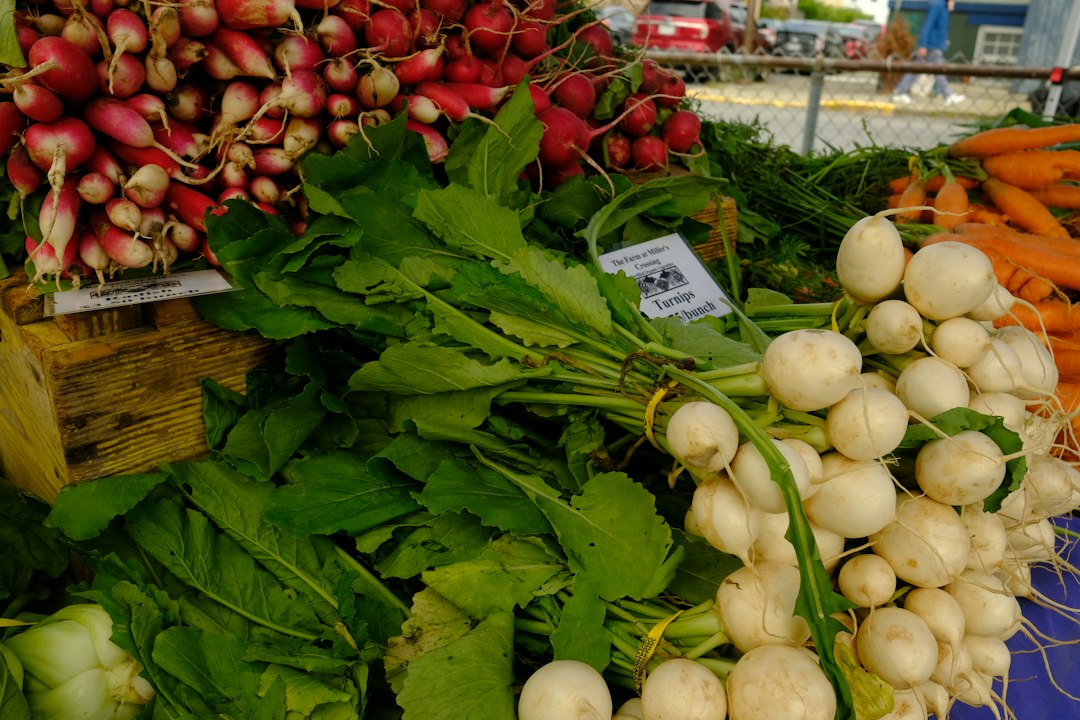
Root vegetables cost less than a standing rib roast, and unlike lettuce or berries, they do not spoil within a week. Carrots, parsnips and turnips can sit in a cold pantry for months, which means a single bulk purchase in October can still land on the table in late December. December is even recognized as root vegetable month by USDA's WIC program, a small but telling signal of where this category sits in the seasonal calendar. That combination of low cost and long shelf life makes roots a genuinely practical centerpiece, not a side dish nobody fights over.
The price check before you shop
USDA's Agricultural Marketing Service tracks grocery ads at major retailers every week, and the report covering the period ending October 16, 2026 is worth reading before holiday menus get locked in. Notable year-over-year price increases included raspberries (+26%), packaged salad (+33%), yellow onions (+43%), and sweet potatoes (+21%), while avocados fell 20%. No significant decreases were reported in the vegetable category.
The wider forecast gives no relief either. Retail fresh vegetable prices were 2.6% higher in August than a year earlier, and USDA forecasts retail fresh vegetable prices to average 5.7% higher in 2026. Sweet potatoes and onions, the backbone of most holiday roasting trays, are among the items pushing that average up. The practical response is not to avoid vegetables. It is to lean harder on the roots that did not make the increase list, like carrots, parsnips and turnips, and to buy them whole rather than pre-washed or pre-cut.
Build a root vegetable tray by density, not by looks
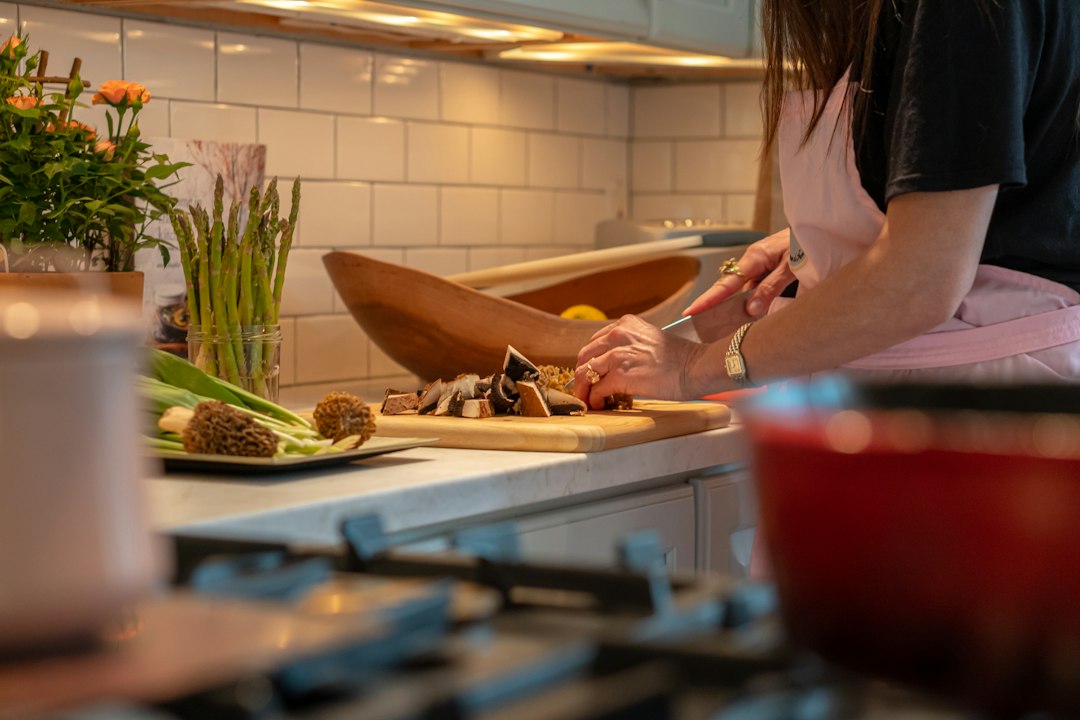
A holiday tray usually fails for one reason: everything goes into the oven at once, regardless of density. Sweet potatoes, parsnips and turnips will bake for 25-30 minutes and beets, radishes and carrots will only need to bake for closer to 20 minutes at the same temperature. Treat all roots as interchangeable and the carrots turn to mush while the parsnips are still firm at the center.
The fix is a staggered pan rather than a single dump. Preheat the oven to 425°F, which several test kitchens agree is the sweet spot for roasting roots without steaming them. Put the slower sweet potato, parsnip and turnip pieces in first, then add the carrots, beets or radishes roughly ten minutes later so both groups finish tender together. Do not crowd the vegetables or use too deep a baking pan, since doing so will steam the vegetables rather than roast them.
A finishing step separates a good tray from a forgettable one. Toss the vegetables with chopped rosemary leaves, then continue to roast until the vegetables are tender and caramelized, 10 to 15 minutes more. That short second stage gives the edges color without drying out the centers.
Buy once in October, cook through December
The real budget lever with root vegetables is not the per-pound price. It is how long they last once they get home. Cold moist storage is defined as 32-40°F, 90-95% relative humidity. Inside those conditions the differences between roots matter: carrots will store up to eight months and should be stored without tops, beets will store up to five months, and parsnips will store up to four months and have best sweetness after two-week storage at 32°F.
A spare refrigerator drawer, an unheated garage, or a cool basement corner can do the job of a root cellar for most households. For anyone without cold storage space, sand storage is one of the oldest and most reliable techniques for keeping a fall harvest of root vegetables fresh through the winter. The method works for carrots, beets, turnips, parsnips, rutabagas, salsify, celeriac and jicama, stored at 32 to 40°F. In general, root crops can remain fresh in sand for two to five months.
Buying a ten-pound bag of carrots or parsnips in October and storing it correctly beats buying a pound every week through December, especially while onion and sweet potato prices keep climbing.
The real risk: a tray that tastes like a consolation prize
The fair objection is that cheap and shelf-stable does not automatically mean appetizing, and a badly cooked root vegetable earns that reputation honestly. Lower temperatures steam vegetables instead of caramelizing them, so the common fix is simple: use high heat or don't bother. A soggy, grey parsnip is not a budget win. It is a reason guests reach for the protein instead and leave the side dish untouched.
The remedy is specific, not aspirational. Cut every piece in each density group to a uniform size so nothing finishes early or late. Skip the pre-washed, pre-cut bags, which cost more per pound and often arrive carrying their own steaming moisture. Finish with a real fat and an acid, olive oil and a splash of good vinegar, or the rosemary-and-caramelization method above, rather than serving the vegetables plain. Mixing orange carrots with golden beets, purple-top turnips or celeriac turns a budget decision into something that looks deliberate on the table.
What changes once you accept this
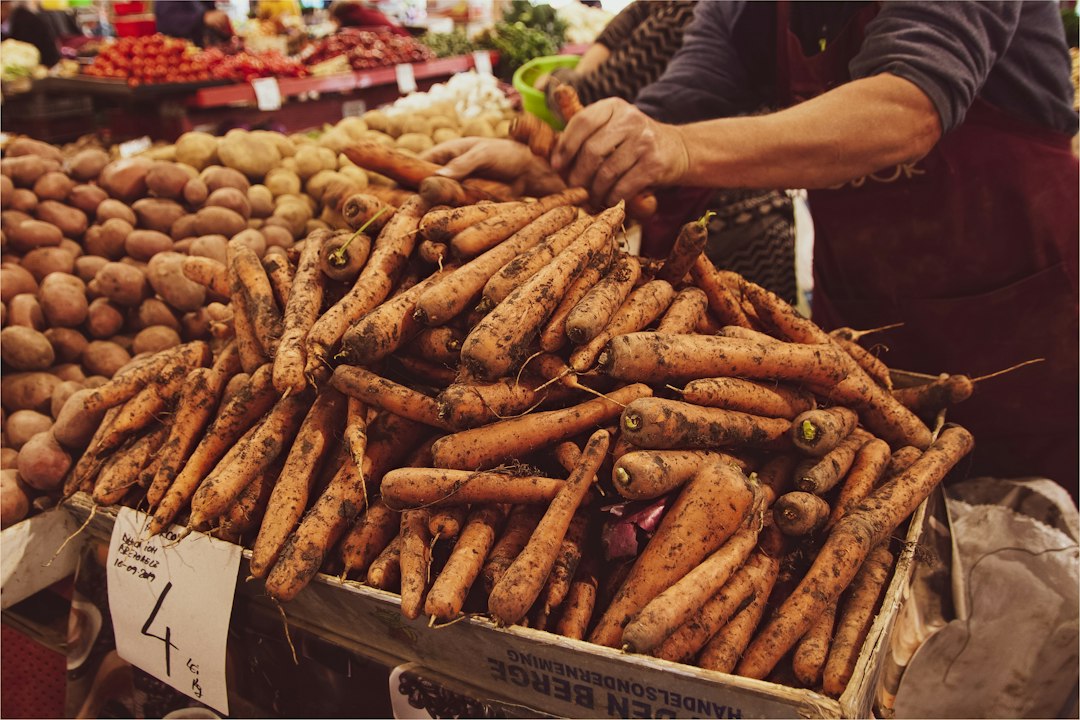
Accepting that root vegetables deserve the center of a holiday table changes the shopping list before it changes the menu. Buy whole carrots, parsnips, turnips and beets by the bag in October, not in small amounts closer to the holidays when onions and sweet potatoes already cost more than they did last year. Store them cold and moist, in a spare refrigerator drawer or a box of damp sand, and they will outlast most of what else sits in the cart. Roast them by density, finish them with real technique, and the side dish stops reading as an afterthought.