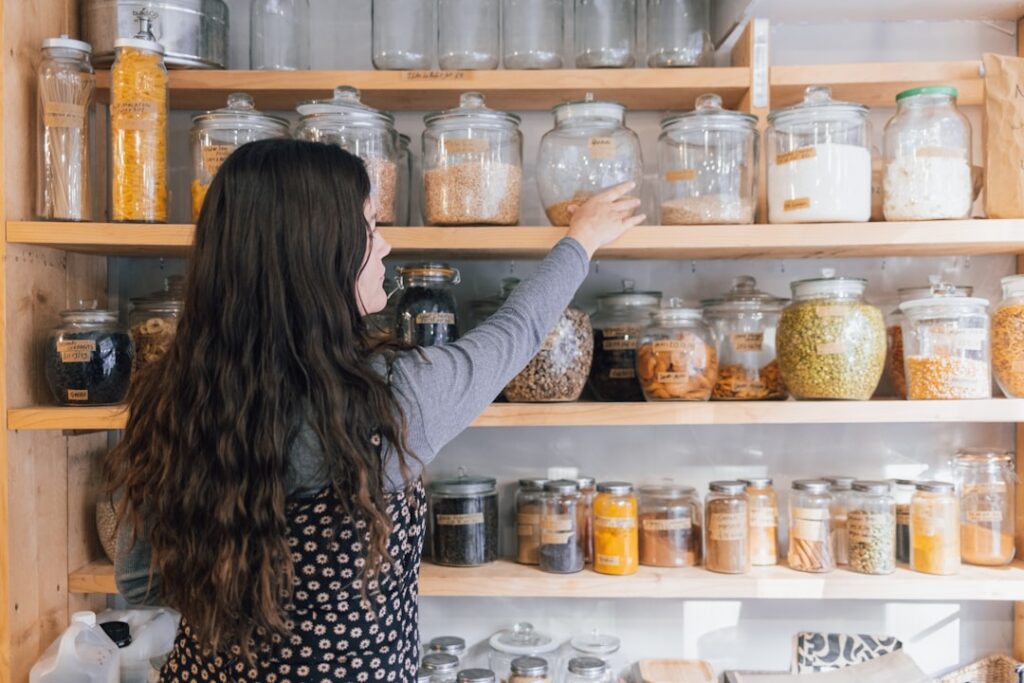
A spice pantry built around India’s regional traditions is not just a kitchen choice; it is a quiet act of cultural pride that connects every meal to centuries of culinary wisdom.
Why regional spice logic matters
India’s spice traditions are not uniform. While certain spices appear across the nation, such as turmeric, cumin, and coriander, the way each region emphasizes, combines, and applies them reveals deep differences in culinary identity. Most home cooks stock spices by brand or habit. A regional approach gives your pantry a much stronger purpose.

India’s spice traditions evolved over thousands of years, shaped by geography, climate, trade routes, religion, and local agriculture. Coastal regions favour coconut and seafood spices, while mountainous areas embrace warming blends. When you understand these reasons, every jar you buy makes complete sense.
India’s culinary landscape is painted with the vibrant colours and aromatic essence of regional masalas, each telling a story of local traditions, climate, and cultural preferences. These spice blends are not just flavour enhancers; they are the very soul of Indian cooking. So start your pantry with a map in mind, not just a shopping list.
The north: warmth, dairy, and depth
North Indian cuisine, deeply influenced by Mughal court traditions, is characterized by rich gravies made with cream, yogurt, and ghee. The key spices here build warmth and body. Your north Indian pantry must include garam masala, kasuri methi (dried fenugreek leaves), black cardamom, and Kashmiri red chilli.

Cumin and coriander thrive in low-moisture heat, so North Indian food is rich in them; they are toasted whole, bloomed in oil, and ground fresh. This technique is not optional. It is the foundation of every north Indian dish you will cook at home.
Additionally, Central Asian spices such as cinnamon, cardamom, and cloves arrived in North India through Delhi, and they remain essential today. Keep whole versions of all 3 in your pantry. They stay aromatic far longer than pre-ground powder.
The south: coconut, fire, and ferment
South Indian cuisine favours rice as its staple, utilizing lighter preparations that feature coconut milk, curry leaves, and tamarind. These 3 ingredients form the backbone of your south Indian shelf. Add mustard seeds, dried red chilli, and sambar powder to complete the set.
No South Indian dish is complete without a tadka (tempering) of whole spices in hot oil. These not only awaken your senses but also form the aromatic foundation of the cuisine. Practice this technique on a simple dal first. The difference in flavour is immediate and dramatic.
The south’s flavour profile is coconut-rich and aromatic, with generous use of black pepper and curry leaves as signature spices. Black pepper from Kerala is one of the oldest traded spices in human history. Keep it whole and grind it fresh every time.

The east: mustard, pungency, and the panch phoron blend
East Indian cooking, particularly the Bengali tradition, is noted for its fish-based dishes and the pungent use of mustard oil. Mustard oil is not interchangeable with vegetable oil here. It carries a sharp, earthy quality that defines eastern Indian food completely.






Bengal uses panch phoron, a five-spice blend of cumin, fenugreek, nigella, mustard, and fennel seeds, to flavour vegetables and fish dishes. This blend is simple to assemble at home. Mix equal parts of all 5 seeds, store them whole, and fry them directly in oil at the start of cooking.
Mustard grows abundantly in East India, and this shapes the entire region’s cuisine. Geography and flavour are inseparable here. When you stock your eastern India shelf, you carry that agricultural history directly into your home kitchen.
Expert perspective on building a regional spice pantry
Building a home spice pantry around India’s regional traditions is one of the most meaningful things a modern cook can do. Too many kitchens hold 1 or 2 generic masala blends and call it done. But India’s culinary map is far more sophisticated than that. Each region has developed its spice logic over centuries, shaped by soil, sea, trade, and culture. When you separate your north Indian shelf from your south Indian shelf, you begin to cook with clarity and intention. You stop substituting and start understanding. The result is not just better food; it is a deeper relationship with your own heritage. Every home cook who learns the difference between panch phoron and sambar powder becomes a small keeper of culinary tradition.
Industry perspective, food culture and regional gastronomy professionals in India

The west and the northeast: two more worlds to explore
In western India, you find an abundance of grains, lentils, and saffron. Dishes like Pulao and Dhokla are made using these regional ingredients, often enhanced with spices such as cumin and mustard seeds. Gujarat adds a gentle sweetness to its spice logic, so keep sugar and dried coconut alongside your western India spices. Maharashtra goes bolder, with goda masala, a complex aromatic blend specific to this state.
Portuguese colonization brought chilli peppers to Goa, and Goan cooking still carries that history. Kokum, a dried sour fruit, and vinegar-based spice pastes belong on your western shelf alongside the standard ground spices. These are small additions with a large flavour impact.
The northeast region has gained popularity for unique local ingredients such as bamboo shoots and fermented soybeans. These ingredients contribute to distinctly different flavours that characterize dishes from this area. The northeast is India’s most underrepresented culinary zone. Stock dried Bhut jolokia (ghost pepper) with caution, and add Raja mircha flakes for an introduction to this bold and fascinating tradition.

Practical tips for stocking your pantry
Ayurveda, India’s ancient medicinal system, promotes the daily use of spices for their therapeutic benefits. Turmeric is celebrated for its anti-inflammatory properties, while cumin and fennel aid digestion. Your spice pantry is also a wellness cabinet. This is not a new idea; it is one of India’s oldest.
Most spices can be sold whole or ground. Whole spices offer the most versatility, last longest, and help save cabinet space, whereas ground spices and spice blends offer the most convenience. Buy whole wherever possible and grind in small batches. The aromatic difference is significant.
Roasting spices before grinding them enhances their flavours. This is particularly important for masala blends, as a well-roasted spice blend can elevate a dish significantly. Use a dry iron pan on medium heat. Stir constantly. Stop the moment you smell the fragrance rise. This one habit will transform your cooking.
Conclusion: your pantry, your tradition
A well-built spice pantry is one of the most personal things in any Indian home. When you organize it by region, your spice pantry becomes more than storage; it becomes a living map of this country’s extraordinary culinary identity. Stock it slowly and with purpose. Learn 1 region at a time. Cook 1 dish properly before moving to the next. Your spice pantry will grow into something you are genuinely proud of, because it reflects not just your taste but your understanding of where Indian flavour truly comes from. Start today, start with curiosity, and let your kitchen tell the full story.
Discover more about spice pantry
- Spices Board of India: Official Resource for Indian Spices
- Ministry of Commerce & Industry: Spice Exports Statistics
- Regional Indian Spice Traditions and Cuisine Guide
Originally published on INDIAwebzine.