CONTACT
  • Login
Upgrade
GUSTOwebzine
Advertisement
  • Home
    • Our Authors
    • Subscribe for Free
    • Media Kit
    • Contact
    • Terms and Conditions
    • Cookie Policy
  • Discoveries
    • Chefs
  • Culinary Culture
  • Food & Drinks
  • Cooking Tips
    • Recipes
  • GUSTO Global
  • Insights
  • GUSTO Guide
    • Hotels Worldwide
    • Nightlife Worlwide
    • Restaurants Worldwide
    • Services Worldwide
  • Home
    • Our Authors
    • Subscribe for Free
    • Media Kit
    • Contact
    • Terms and Conditions
    • Cookie Policy
  • Discoveries
    • Chefs
  • Culinary Culture
  • Food & Drinks
  • Cooking Tips
    • Recipes
  • GUSTO Global
  • Insights
  • GUSTO Guide
    • Hotels Worldwide
    • Nightlife Worlwide
    • Restaurants Worldwide
    • Services Worldwide
No Result
View All Result
GUSTOwebzine
No Result
View All Result
Home Hospitality Insights

How Coastal Resort Restaurants Adapt Menus for August

How coastal resort kitchens rethink every dish when August floods their tables with guests from around the world.

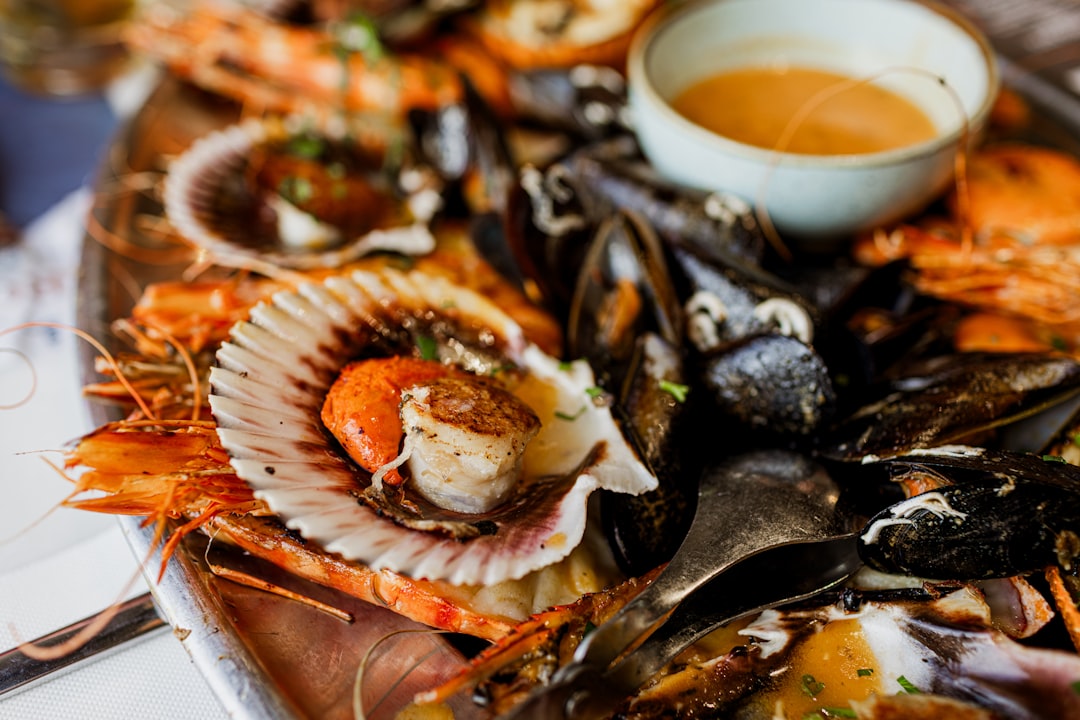
A chef carefully plates a fresh seafood dish as part of resort menus designed for peak coastal season guests

Resort menus quietly reshape themselves each August as a new wave of coastal guests arrives, and the decisions chefs make in these weeks carry weight far beyond the season.

Why August forces a menu decision

August is the month when pressure becomes visible in a coastal kitchen. Some of the most popular coastal dining spots experience significant demand, especially in peak vacation seasons. That surge does not arrive gently. It arrives all at once, with full dining rooms, longer service windows, and guests who carry very different expectations.

Resort menus that worked in June become a liability by mid-August. A long tasting format built for calm spring evenings cannot serve 300 covers on a Saturday night in high season. So chefs act. They compress. They reorganize. They make choices about what to keep and what to remove.

GUSTO guide worldwide restaurants, hotels, nightlife, professional services GUSTO guide worldwide restaurants, hotels, nightlife, professional services GUSTO guide worldwide restaurants, hotels, nightlife, professional services

An increase in tourists means an increase in people looking to eat out, mainly because many of them do not have the ability to cook due to their hotel accommodations. That structural fact shapes every resort kitchen in every coastal market. The guests are entirely dependent on what the restaurant offers.

How sourcing changes under pressure

Restaurants along coastal regions typically feature seasonal menus built around the freshest available produce and seafood. Daily catches allow chefs to showcase everything from shellfish to expertly cooked fish dishes, making these menus highly dynamic. In August, that dynamism becomes both an asset and a challenge.

Local supply networks face the same peak. Farms deliver more frequently. Fishers work longer hours. A kitchen that sources well in April must now source faster and in greater volume. Sourcing seasonally reduces the need for long-distance transportation and storage, and it encourages partnerships with local farmers and suppliers, fostering community connections while keeping menus innovative.

The smartest resort kitchens build those supplier relationships before the season begins. They agree on volumes, lock in delivery schedules, and identify backup suppliers. By August, the system runs without friction.

The menu structure that performs at peak

Resort menus in peak season tend to get shorter, not longer. Fewer dishes mean faster preparation, more consistent quality, and lower waste. The menus are always changing as fresh ingredients come in and out of season, and chefs craft thoughtful nightly specials around whatever is peaking at that exact moment. That discipline is precisely what protects quality when volume doubles.

Seasonal ingredients lower ingredient costs through peak abundance, enhance flavor due to ideal ripeness, and support local sourcing that reduces carbon footprint, all of which appeal to health-conscious diners. For resort operators, this is not only an ethical position. It is a commercial one.

Shorter menus also reduce staff training time. In coastal resort towns, seasonal hiring peaks in July and August. A focused menu with 20 well-designed dishes trains faster than a broad menu with 40 complicated ones.


A server presents dishes to guests at a beachfront table, illustrating how resort menus adapt to the August tourist wave

-

a common scene inside well-run restaurant groups focused on quality and consistency.

Restaurant groups: quality across locations

10/08/2026
A hotel chef carefully plates a locally sourced hotel breakfast dish featuring seasonal vegetables and regional grains

Hotel breakfast and local food culture

01/08/2026
A food buyer tasting specialty food samples at a busy trade show booth in New York City

Specialty food trends from the Summer Fancy Food Show

20/07/2026
A hotel server guides a guest through an unfamiliar dish during staff training for global cuisines at a fine dining table

Best staff training for global cuisines

15/07/2026
A fine dining chef and a local farmer discuss seasonal produce reflecting a direct fine dining sourcing relationship.

Fine dining sourcing: 5 ways it works

10/07/2026
A chef carefully arranges light seasonal dishes on a rooftop dining terrace during a warm summer service

Rooftop dining menus built for summer heat

05/07/2026

An industry perspective on seasonal design

The challenge in peak season is not creativity. Creativity is easy when the market is full and the sea is generous. The real challenge is coherence. A resort menu in August must speak clearly to a guest who has arrived from another country, perhaps another continent, and who will eat with you only once. That single meal must carry the identity of the place. It must use what is fresh and available within 50 kilometers. It must avoid ingredients that require 3 days of preparation when your kitchen is running at full capacity. And it must leave the guest with a memory that is specific to this coast, this season, and this moment. That is the standard. Anything less is just food service dressed up as hospitality.

Industry perspective, sustainability and seasonal menu professionals in coastal hospitality

Sustainability as a design tool, not a label

Today’s diners, especially Millennials and Gen Z, increasingly base their dining decisions on sustainability credentials. Recent industry surveys show that 73% of consumers consider environmental impact when choosing where to eat, and 68% are willing to pay slightly more for sustainable options.

Resort menus that integrate sustainability into their structure, not just their marketing, perform better in August. Some restaurants take a strong stance on serving lesser-known species of fish to prevent overfishing of popular species, featuring options like redfish and pollock, which are abundant but underutilized, paired with local seaweeds and coastal herbs.

Local sourcing means better taste, peak freshness, and less environmental impact. Menus that spotlight local ingredients improve perception and build deeper community connections. For coastal resort guests who travel with values, that connection matters. It gives the meal a reason to exist beyond nutrition.

A chef selects fresh produce from a coastal market supplier, a key step in building sustainable resort menus for high season

Conclusion

Resort menus do not simply reflect what August brings. They actively shape it. The chefs who plan their sourcing early, cut their dish counts deliberately, and build each plate around what is real and available at this exact moment on this exact coastline, those are the ones whose guests remember the meal. In coastal regions where tourism and dining connect, every resort restaurant plays a role in that broader ecosystem. Resort menus at their best are not seasonal adjustments. They are seasonal arguments for why this place, right now, is worth the journey. Return to that standard each August, and the work speaks for itself.

Discover more about resort menus

  • UNWTO Global Report on Food Tourism
  • Chowbus: Restaurant Sustainability Trends
  • Cape Resorts: How a Coastal Culinary Program Builds Around Seasonal Menus

author avatar
Lars Eriksen
Lars Eriksen grew up foraging wild herbs on the Danish coast with his grandmother, long before foraging became a culinary movement. He studied gastronomy at the University of Copenhagen and has spent two decades documenting the New Nordic revolution from the inside. From Noma's legacy to the next generation of Copenhagen chefs redefining what seasonal and sustainable really means, Lars writes with the quiet authority of someone who was there from the beginning.
See Full Bio
Previous Post

Spice pantry built on India’s 6 regions

Related Posts

a common scene inside well-run restaurant groups focused on quality and consistency.
Hospitality Insights

Restaurant groups: quality across locations

10/08/2026
A hotel chef carefully plates a locally sourced hotel breakfast dish featuring seasonal vegetables and regional grains
Hospitality Insights

Hotel breakfast and local food culture

01/08/2026
A food buyer tasting specialty food samples at a busy trade show booth in New York City
Hospitality Insights

Specialty food trends from the Summer Fancy Food Show

20/07/2026
A hotel server guides a guest through an unfamiliar dish during staff training for global cuisines at a fine dining table
Hospitality Insights

Best staff training for global cuisines

15/07/2026
A fine dining chef and a local farmer discuss seasonal produce reflecting a direct fine dining sourcing relationship.
Hospitality Insights

Fine dining sourcing: 5 ways it works

10/07/2026

Leave a Reply Cancel reply

Your email address will not be published. Required fields are marked *

Truelang AI Translations Truelang AI Translations Truelang AI Translations
No Result
View All Result

Our Focus

GUSTOwebzine is your international window on food culture: culinary lifestyle, trends, recipes and gastronomic stories for a global audience with a passion for exceptional taste.

Our Readers

GUSTOwebzine addresses readers who engage with food culture at a high level: as culinary professionals, passionate home cooks, food entrepreneurs, and tastemakers in their communities.

Our Approach

Recipes, trends, and dining culture are integrated as context and indicators of creativity, identity, and the social forces shaping how the world eats, not standalone content.

Recent Post

  • How Coastal Resort Restaurants Adapt Menus for August
  • Spice pantry built on India’s 6 regions

© 2026 GUSTOwebzine by NOOR & NOOR — part of WEBZINE.world.

Welcome Back!

Login to your account below

Forgotten Password?

Retrieve your password

Please enter your username or email address to reset your password.

Log In
Manage Consent
To provide the best experiences, we use technologies like cookies to store and/or access device information. Consenting to these technologies will allow us to process data such as browsing behavior or unique IDs on this site. Not consenting or withdrawing consent, may adversely affect certain features and functions.
Functional Always active
The technical storage or access is strictly necessary for the legitimate purpose of enabling the use of a specific service explicitly requested by the subscriber or user, or for the sole purpose of carrying out the transmission of a communication over an electronic communications network.
Preferences
The technical storage or access is necessary for the legitimate purpose of storing preferences that are not requested by the subscriber or user.
Statistics
The technical storage or access that is used exclusively for statistical purposes. The technical storage or access that is used exclusively for anonymous statistical purposes. Without a subpoena, voluntary compliance on the part of your Internet Service Provider, or additional records from a third party, information stored or retrieved for this purpose alone cannot usually be used to identify you.
Marketing
The technical storage or access is required to create user profiles to send advertising, or to track the user on a website or across several websites for similar marketing purposes.
  • Manage options
  • Manage services
  • Manage {vendor_count} vendors
  • Read more about these purposes
View preferences
  • {title}
  • {title}
  • {title}
No Result
View All Result
  • Home
    • Our Authors
    • Subscribe for Free
    • Media Kit
    • Contact
    • Terms and Conditions
    • Cookie Policy
  • Discoveries
    • Chefs
  • Culinary Culture
  • Food & Drinks
  • Cooking Tips
    • Recipes
  • GUSTO Global
  • Insights
  • GUSTO Guide
    • Hotels Worldwide
    • Nightlife Worlwide
    • Restaurants Worldwide
    • Services Worldwide

© 2026 GUSTOwebzine by NOOR & NOOR — part of WEBZINE.world.

Not enough quota to unlock this post
Unlock left : 0
Are you sure want to cancel subscription?
Verified by MonsterInsights
enEnglishdeDeutschesEspañolfrFrançaisitItalianoja日本語nlNederlandszh中文
No results