

Why Does Seasonal Menu Planning Matter in 2026?
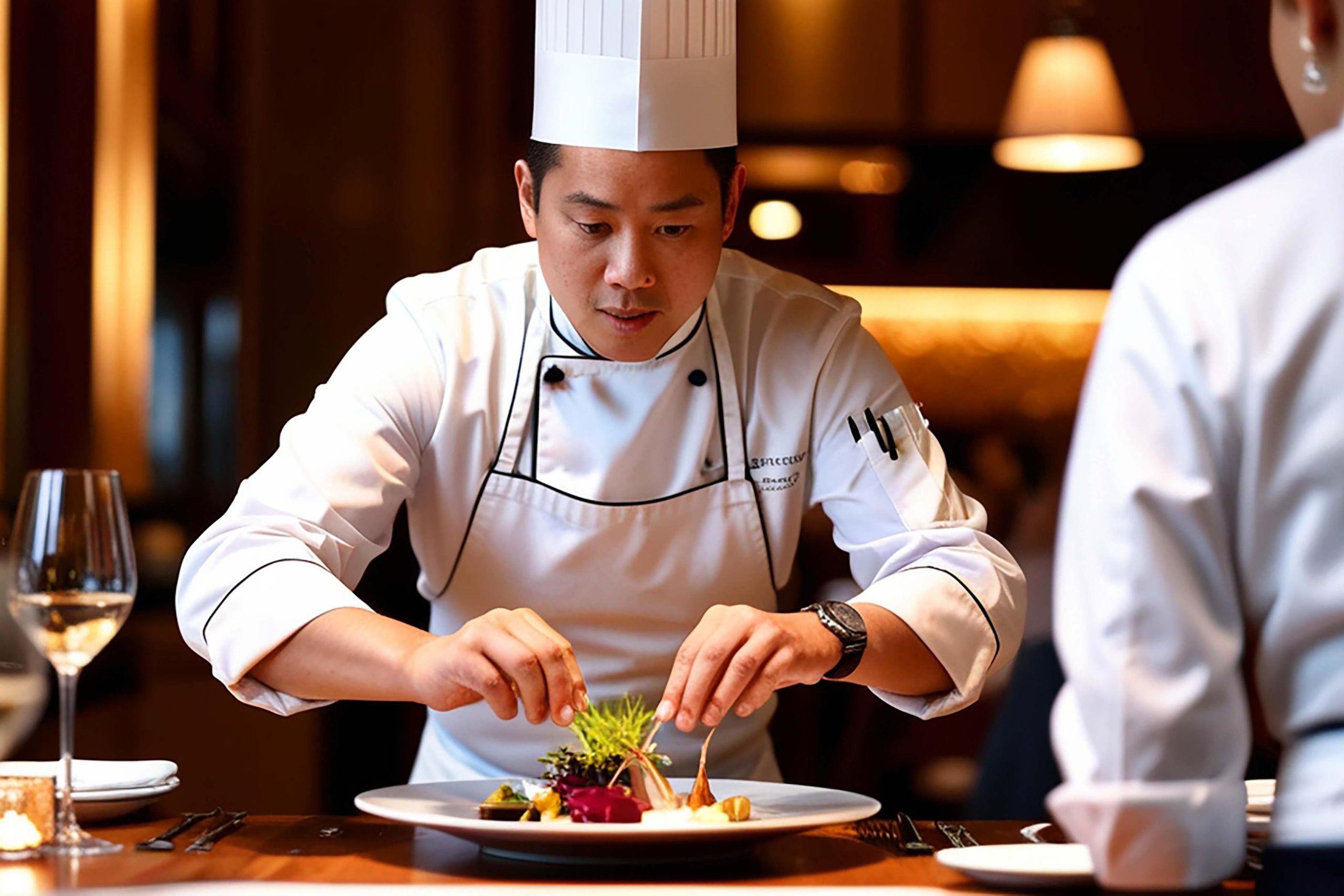
Consumer expectations have changed significantly in recent years. Diners now read menus with greater care and ask more questions about ingredient origins. In fact, a 2025 survey by the National Restaurant Association found that 74% of adults prefer to dine at restaurants that serve locally sourced food.
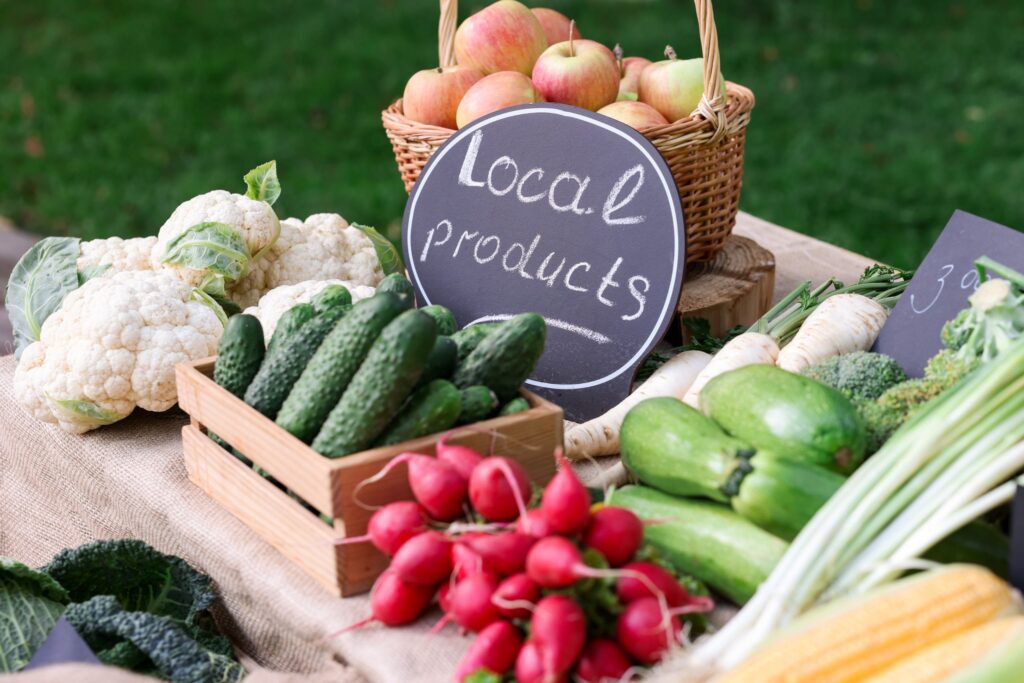
Seasonal ingredients are fresher, more flavorful, and often less expensive than imported alternatives. Additionally, menus built around local produce reduce transportation emissions. This matters to a growing number of guests across global markets.

How to Audit Your Current Menu Before Summer
Before introducing new dishes, evaluate your current offerings carefully. Start with a full ingredient audit. List every ingredient used across your menu and identify which items will become expensive, unavailable, or low quality as summer arrives.

Next, group your dishes into 3 categories:
- Keep: Dishes that use ingredients available year-round at consistent quality
- Adapt: Dishes that need minor ingredient changes to stay relevant in summer
- Replace: Dishes that depend on winter or spring produce and must be retired
This process helps your team focus energy on the right changes. Moreover, it reduces the risk of menu disruption during a busy season.


Truffle dinners in NYC this autumn
Truffle dinners transform New York City restaurants each autumn into something truly Italian in spirit: intimate, ingredient-led, and brief by...





Autumn equinox and how cooks rethink heat
The autumn equinox is not simply a date on a calendar. It is the moment when serious cooks across the...

Bread traditions and what they reveal
Bread traditions are among the oldest and most honest records of human civilization. From the grain a community grows to...

Gluten-free bakeries NYC: eat well
Gluten-free bakeries in New York City are no longer a compromise. From dedicated allergen-free kitchens in the West Village to...










The point about visiting farmers markets to build supplier relationships rather than just ordering through wholesale catalogs is something every chef should take seriously. I run a small bistro and the moment I started showing up at the market on Tuesday mornings, the farmers started saving me the best produce before it even hit the stalls. That kind of access doesn’t exist when you’re just a name on a delivery sheet.
The menu engineering quadrant analysis with food cost percentage on one axis and sales volume on the other is the framework I wish someone had handed me on day one. We had a winter mushroom risotto that was prestige on the menu but barely sold five plates a week and ate up prep time, while a simple soup we treated as filler was the actual margin driver. Cutting the risotto and promoting the soup felt counterintuitive but the numbers were clear. Seasonal rotation is also the gentlest way to drop a dish without anyone noticing it’s gone for good.
Was nodding the whole way through the part about planning three months ahead, because every chef I know underestimates that timeline. We tried rotating a menu last autumn with squash dishes and ended up scrambling at the last minute. Lesson learned the hard way.
The supplier relationship piece is the part most owners skip. You can’t just call a local farm in March and expect them to have what you need.
Je me posais justement la question des marges quand on change la carte aussi souvent. Réduire de 15 à 25% les coûts c’est énorme si c’est vraiment atteignable.
Working with local farms sounds romantic on paper but the logistics nearly broke me my first year. One farmer flooded out in June and I had three dishes on the menu I couldn’t run for two weeks straight. The advice here about contingency planning is spot on, I had to learn it the hard way.
Rattling excellent info can be found on site. “That is true wisdom, to know how to alter one’s mind when occasion demands it.” by Terence.