

The Cultural Roots of Salo-Salo
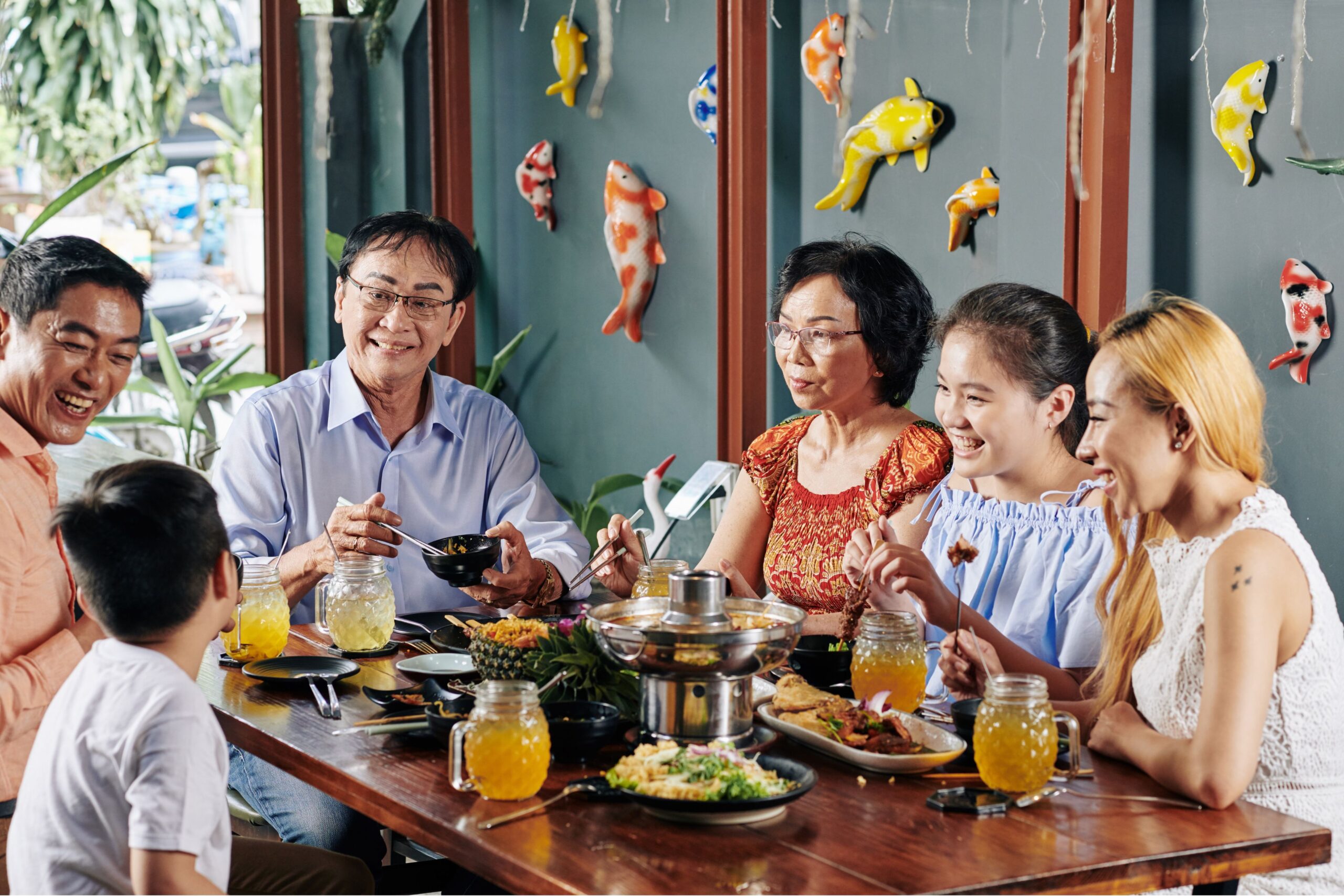
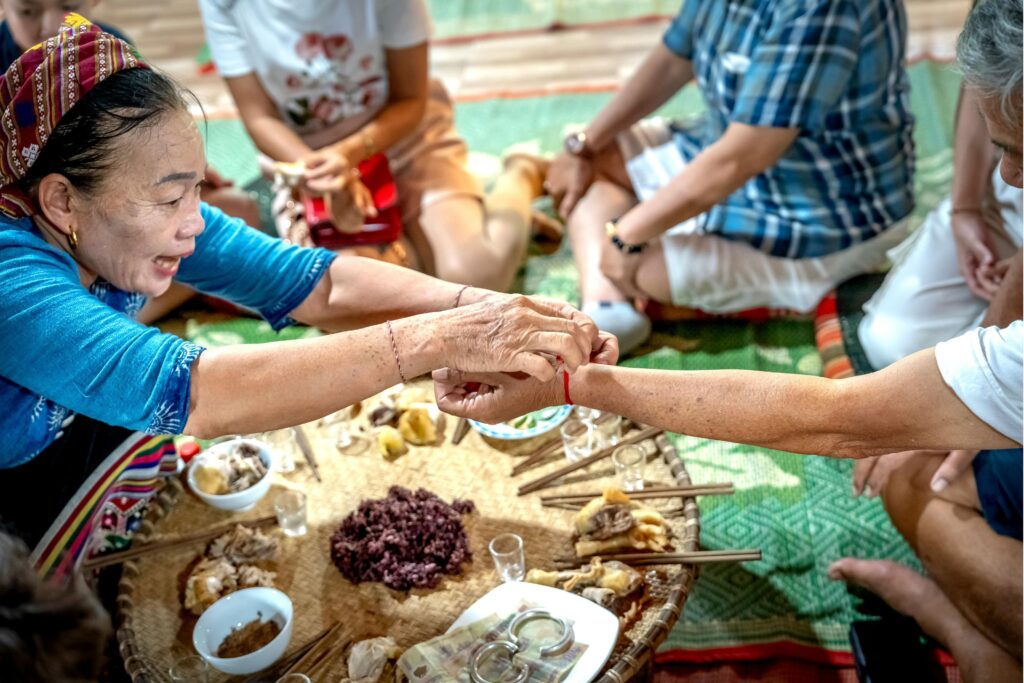
Filipino culture revolves around food and togetherness. Salo-Salo means “sharing” in Tagalog. This practice dates back centuries. Additionally, it reflects pre-colonial bayanihan spirit.
Communities gather for celebrations and daily meals. Everyone eats from shared dishes. Furthermore, this promotes equality and connection. The tradition thrives in Manila, Cebu, and rural provinces.

Elders pass down Salo-Salo customs to children. Therefore, the practice remains strong today. For instance, Sunday lunches unite extended families. Neighbors also join these gatherings naturally.
Essential Elements of Filipino Communal Dining
Salo-Salo requires specific dishes and presentation. The table displays multiple Filipino favorites. Consequently, guests enjoy variety and abundance. Popular dishes include:
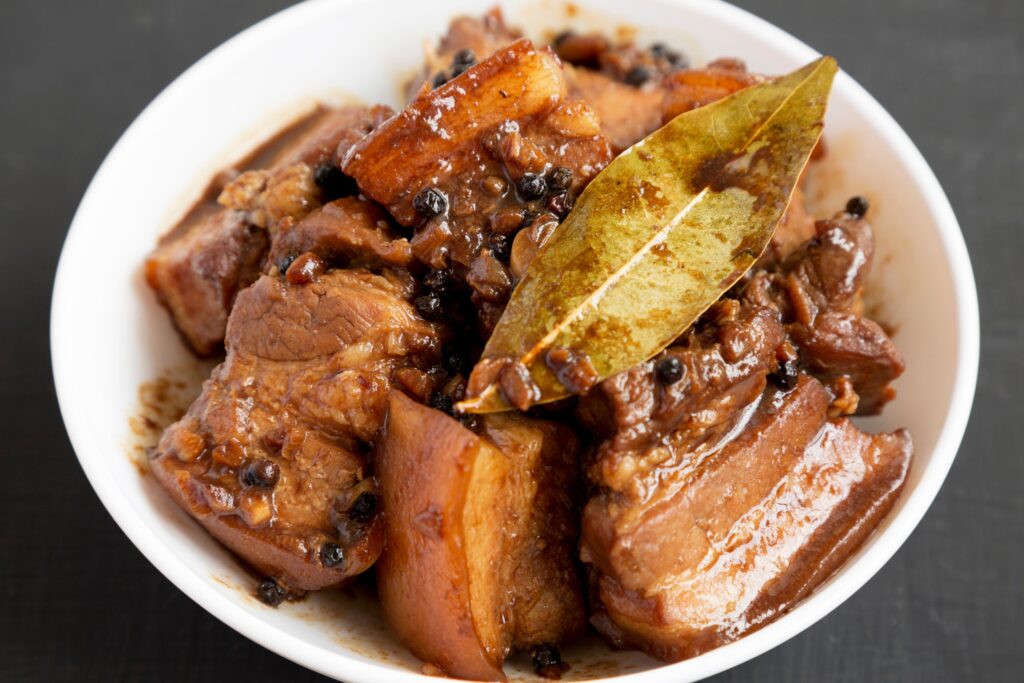
- Adobo (braised meat)
- Sinigang (sour soup)
- Pancit (noodles)
- Lumpia (spring rolls)
- Lechon (roasted pig)
Host families prepare food in large quantities. Thus, everyone eats until satisfied. Additionally, rice serves as the meal foundation. Fresh tropical fruits complete the feast.

The presentation emphasizes accessibility for all. Therefore, dishes sit within everyone’s reach. Importantly, hosts encourage seconds and thirds. This generosity defines Filipino hospitality clearly.
Modern Salo-Salo Practices in 2026
Urban Filipinos adapt traditional Salo-Salo customs. However, the core values remain unchanged. Young professionals host potluck-style gatherings. Meanwhile, technology helps coordinate these events.
Social media spreads Salo-Salo awareness globally. Consequently, Filipino restaurants worldwide embrace this concept. For example, establishments in Dubai and Toronto offer communal tables. Indeed, this attracts diverse diners.




Sustainability now influences Salo-Salo preparations. Families choose local ingredients and reduce waste. Nevertheless, the tradition’s warmth stays authentic. Climate-conscious Filipinos honor heritage while protecting resources.

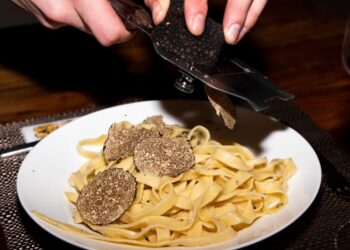
Truffle dinners in NYC this autumn
Truffle dinners transform New York City restaurants each autumn into something truly Italian in spirit: intimate, ingredient-led, and brief by...
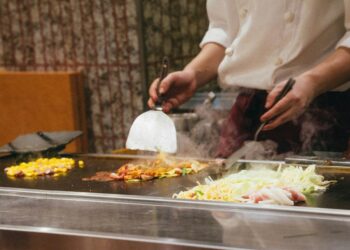
Autumn equinox and how cooks rethink heat
The autumn equinox is not simply a date on a calendar. It is the moment when serious cooks across the...
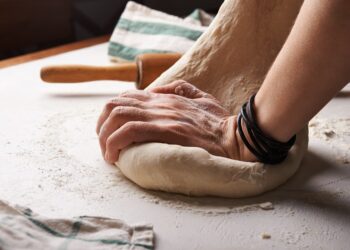
Bread traditions and what they reveal
Bread traditions are among the oldest and most honest records of human civilization. From the grain a community grows to...

Gluten-free bakeries NYC: eat well
Gluten-free bakeries in New York City are no longer a compromise. From dedicated allergen-free kitchens in the West Village to...
Regional Salo-Salo Variations Across the Philippines
Each Philippine region adds unique flavors. Ilocano Salo-Salo features pinakbet and bagnet. Meanwhile, Bicolano gatherings include spicy dishes. Visayan celebrations showcase fresh seafood abundantly.
Muslim communities in Mindanao practice similar traditions. Their communal meals follow halal guidelines. Nevertheless, the sharing spirit remains identical. Indeed, Salo-Salo transcends religious and ethnic boundaries.
Coastal areas serve grilled fish and shellfish. Mountain provinces offer organic vegetables and rice. Consequently, Salo-Salo reflects local agricultural practices. This diversity enriches Filipino culinary heritage.









C’est un article très inspirant ! La tradition du Salo-Salo montre à quel point la gastronomie va au-delà de la simple nourriture aux Philippines ; c’est un véritable pilier du lien social et familial. Cela nous rappelle l’importance universelle de partager un repas pour renforcer les liens et célébrer la convivialité. Merci de mettre en lumière cette magnifique facette de l’hospitalité philippine
The tradition of Salo-Salo perfectly captures how food is so much more than sustenance in the Philippines—it’s the heart of community and family bonding. It’s a wonderful reminder of the universal power of sharing a meal to bring people closer together. Thank you for highlighting this beautiful aspect of Filipino hospitality
Absolutely loved this piece! The Salo-Salo tradition is a beautiful reflection of Filipino culture, where food is a true celebration of togetherness. Reading about the shared laughter and bonding over a communal feast makes me want to experience this warmth firsthand with my own family. Fantastic read
Always thought it was fascinating that the boodle fight setup originally comes from military practice and somehow became this joyful communal celebration. Funny how traditions evolve. My Filipino coworker invited us to one last Christmas and the lechon was unreal. Now I’m trying to figure out where to find a proper kamayan place near me because nothing else quite compares.
What I loved about this piece is how you connected the practice to colonial history, the way kamayan faded under Spanish influence and then came back as an act of cultural reclaiming. So much more than just a stylish dinner trend in Manhattan. My Filipina grandmother only started eating with her hands again in her sixties because she had spent decades being told it was rude. That detail alone says everything.
Everything is very open and very clear explanation of issues. was truly information. Your website is very useful. Thanks for sharing.