

サロサロの文化的ルーツ
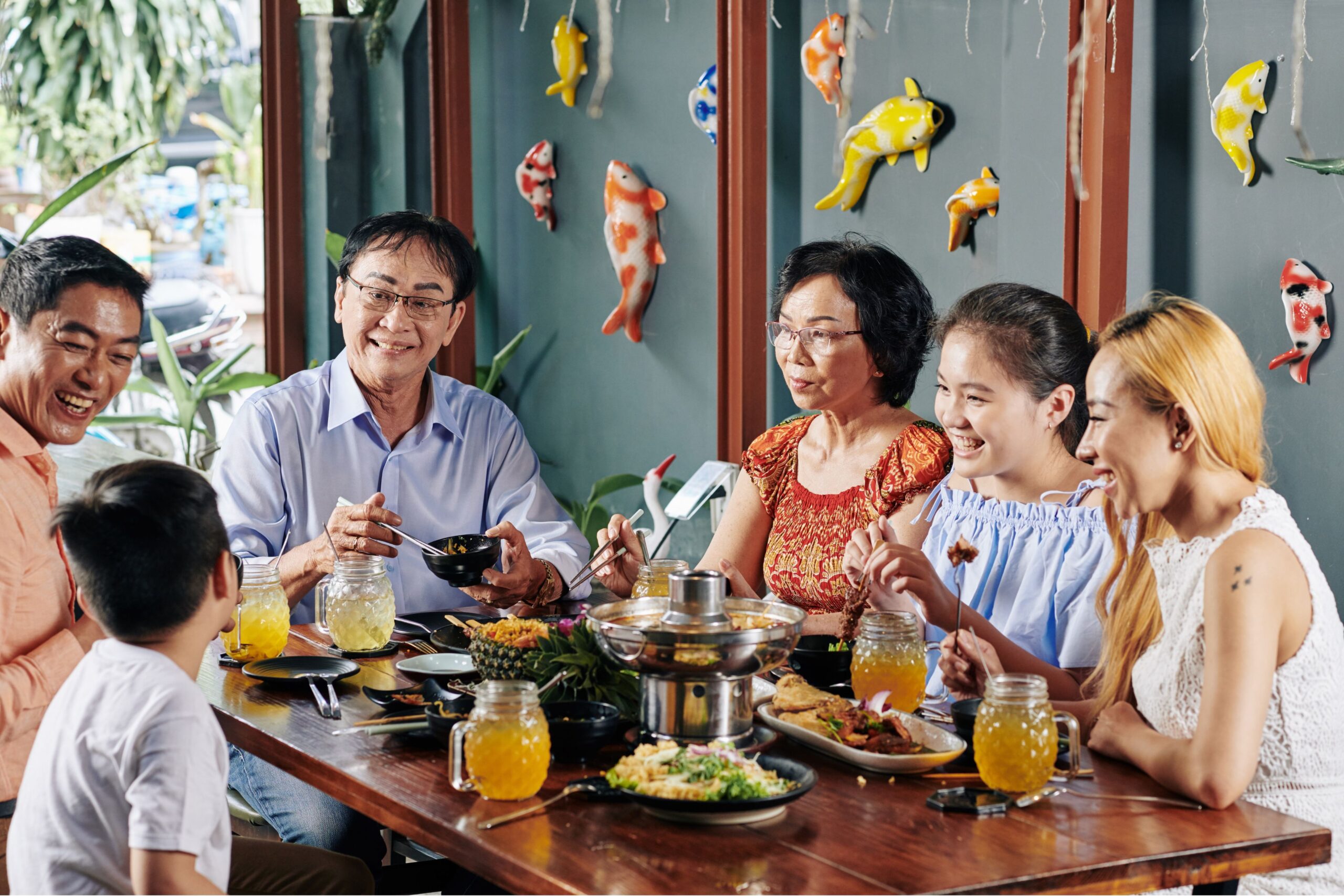
フィリピン文化は食と一体感を軸にしています。サロサロはタガログ語で「分かち合う」という意味です。この習慣は何世紀も前から続いています。さらに、植民地時代以前のバヤニハン精神を反映しています。
地域社会は祝祭や日常の食事のために集まります。皆が共有の皿から食事をします。さらに、これは平等とつながりを促進します。この伝統はマニラ、セブ、そして地方の州で盛んです。
長老たちはサロサロの習慣を子供たちに伝えます。そのため、この習慣は今日でも強く残っています。例えば、日曜日のランチは大家族を一つにします。近所の人々も自然にこれらの集まりに参加します。
フィリピンの共同ダイニングの必須要素
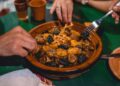
サロサロには特定の料理と盛り付けが必要です。テーブルには複数のフィリピン料理が並びます。その結果、ゲストは多様性と豊かさを楽しみます。人気のある料理には以下が含まれます。
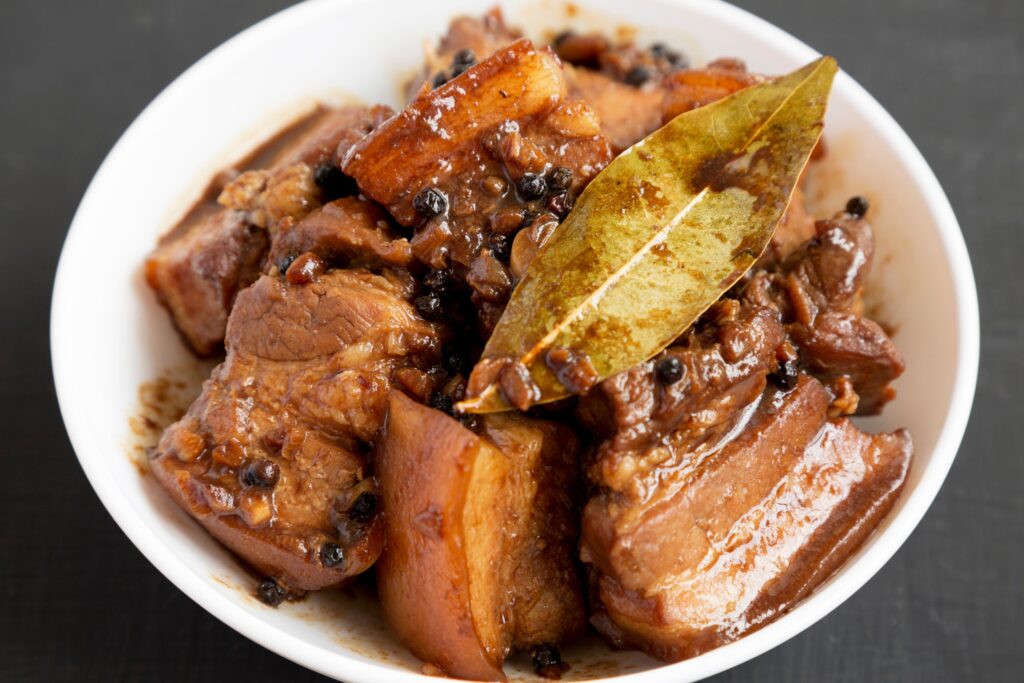
- アドボ(肉の煮込み)
- シニガン(酸っぱいスープ)
- パンシット(麺料理)
- ルンピア(春巻き)
- レチョン(豚の丸焼き)
ホストファミリーは大量の料理を用意します。そのため、誰もがお腹いっぱいになるまで食べます。さらに、ご飯が食事の基本となります。新鮮なトロピカルフルーツがご馳走を締めくくります。

盛り付けは皆が取りやすいように工夫されています。そのため、料理は誰もが手の届くところに置かれます。重要なのは、ホストが二度目、三度目のおかわりを勧めることです。この寛大さがフィリピンのおもてなしを明確に定義しています。
2026年における現代のサロサロの慣習
都会のフィリピン人は伝統的なサロサロの習慣を適応させています。しかし、その核となる価値観は変わりません。若いプロフェッショナルたちは持ち寄り形式の集まりを主催しています。一方、テクノロジーがこれらのイベントの調整を助けています。
ソーシャルメディアはサロサロの認知度を世界中に広めています。その結果、世界中のフィリピン料理レストランがこのコンセプトを取り入れています。例えば、ドバイやトロントの飲食店では、共同テーブルを提供しています。実際に、これが多様な客層を引きつけています。



持続可能性が現在、サロサロの準備に影響を与えています。家族は地元の食材を選び、廃棄物を減らしています。それでも、伝統の温かさは本物です。気候変動を意識するフィリピン人は、資源を保護しながら遺産を尊重しています。


Japanese food labels: hidden gluten guide
Japanese food labels follow precise rules, but those rules do not protect every gluten-sensitive shopper. Wheat is mandatory, yet barley...

Monsoon dal recipes from 7 Indian states
India's monsoon season calls for warm, nourishing food, and nothing answers that call better than a bowl of dal. These...
Ramen shops NYC worth seeking out
New York City's ramen shops range from quiet artisan counters to bold fusion destinations, each bowl a small act of...
Rooftop restaurants for a July evening
July heat transforms European cities into something almost cinematic, and rooftop restaurants offer the most elegant escape. From Paris to...
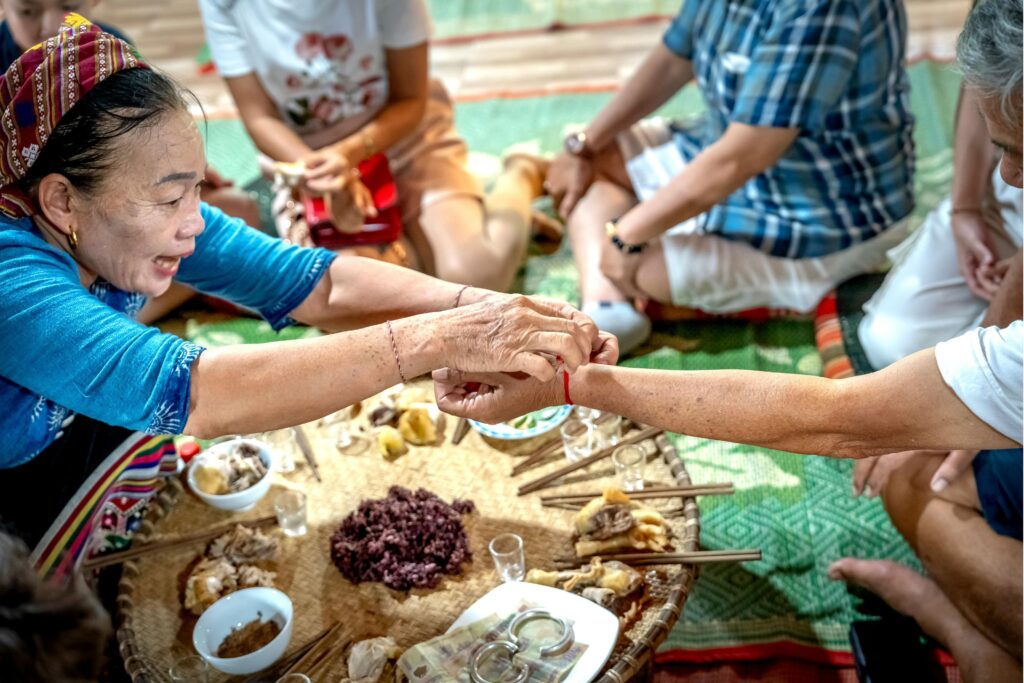
フィリピン各地のサロサロの地域差
フィリピンの各地域は独自の風味を添えます。イロカノのサロサロはピナクベットとバグネットが特徴です。一方、ビコラノの集まりにはスパイシーな料理が含まれます。ビサヤの祝宴では新鮮なシーフードが豊富に並びます。
ミンダナオのイスラム教徒コミュニティも同様の伝統を実践しています。彼らの共同食事はハラールガイドラインに従います。それでも、分かち合いの精神は同じです。実際、サロサロは宗教や民族の境界を超越します。
沿岸地域では魚介のグリルが提供されます。山岳地帯では有機野菜と米が供されます。その結果、サロサロは地域の農業慣行を反映しています。この多様性がフィリピンの食文化遺産を豊かにします。








C’est un article très inspirant ! La tradition du Salo-Salo montre à quel point la gastronomie va au-delà de la simple nourriture aux Philippines ; c’est un véritable pilier du lien social et familial. Cela nous rappelle l’importance universelle de partager un repas pour renforcer les liens et célébrer la convivialité. Merci de mettre en lumière cette magnifique facette de l’hospitalité philippine
The tradition of Salo-Salo perfectly captures how food is so much more than sustenance in the Philippines—it’s the heart of community and family bonding. It’s a wonderful reminder of the universal power of sharing a meal to bring people closer together. Thank you for highlighting this beautiful aspect of Filipino hospitality
Absolutely loved this piece! The Salo-Salo tradition is a beautiful reflection of Filipino culture, where food is a true celebration of togetherness. Reading about the shared laughter and bonding over a communal feast makes me want to experience this warmth firsthand with my own family. Fantastic read
Always thought it was fascinating that the boodle fight setup originally comes from military practice and somehow became this joyful communal celebration. Funny how traditions evolve. My Filipino coworker invited us to one last Christmas and the lechon was unreal. Now I’m trying to figure out where to find a proper kamayan place near me because nothing else quite compares.
What I loved about this piece is how you connected the practice to colonial history, the way kamayan faded under Spanish influence and then came back as an act of cultural reclaiming. So much more than just a stylish dinner trend in Manhattan. My Filipina grandmother only started eating with her hands again in her sixties because she had spent decades being told it was rude. That detail alone says everything.
Everything is very open and very clear explanation of issues. was truly information. Your website is very useful. Thanks for sharing.