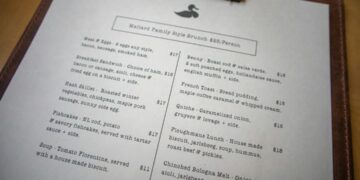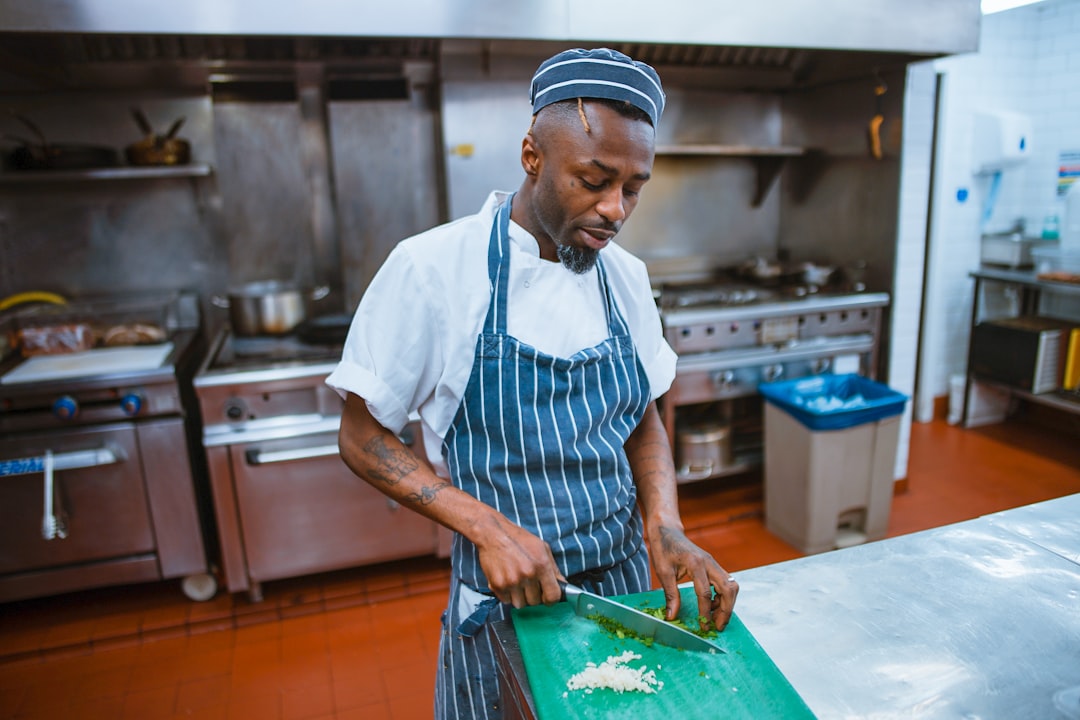
Tasting menus reveal a kitchen’s deepest convictions, not just its technical skill, and the best ones feel less like a meal and more like a sustained conversation between a chef and a guest.
Where the story begins: intention before ingredients
A tasting menu must start with a question, not a recipe. Before a chef writes a single dish, she must decide what the meal is about. That idea can be geographic, a single valley, a specific coastline. It can be seasonal, the passage of one month captured across 10 plates. It can be personal, rooted in memory or heritage. Without that central idea, even technically brilliant food can feel disconnected.
Independent restaurants have a clear advantage here. They carry no committee approvals, no corporate flavor profiles. A head chef can make the decision alone, and that freedom produces genuine narrative. The idea becomes the spine of the meal, and every course grows from it.

A tasting menu is more than a series of small plates. It is a deliberate way for chefs to communicate ideas, values, and techniques across an entire meal. That communication only works if the chef commits to 1 idea and protects it through every decision that follows.
Sequence: building tension and release
Once the idea is clear, the order of courses becomes the real craft. Sequence is not about starting light and finishing heavy. That is a guideline, not a story. True narrative sequence creates expectation, then surprises the guest, then resolves the tension in a way that feels earned.
A good tasting menu has an arc: a surprising opening, a rhythm from light to intense, a climax, and a close that lingers. Independent restaurants that understand this treat the meal as a composition, not a checklist. They ask: what does the guest feel after course 3, and how does course 4 respond to that feeling?

Texture, temperature, and acidity all carry narrative weight. A cold, clean dish after something rich and warm acts as punctuation. A fermented element mid-meal can open a new chapter. The chef becomes the author, the menu the table of contents, and each dish a chapter that demands attention and reflection.
Provenance as language
In Nordic kitchens, we rarely speak about ingredients without speaking about place. Provenance is not a marketing tool. It is a grammatical structure. When a chef names the farm, the fisherman, or the forest, she gives the guest a location inside the story.
Food carries powerful narratives, including stories of place, people, tradition, struggle, and identity. Effective gastronomy leverages storytelling to create emotional resonance and meaning. This is not abstract. A guest who knows that a root vegetable came from a specific coastal island experiences that vegetable differently. The knowledge changes the taste, or at least the memory of it.
The same tomato tastes different when you know it came from a grower twenty kilometres away who picked it at full ripeness. Provenance, craft, and context make a product feel more valuable. Independent restaurants are positioned to use this tool honestly, because they often have direct relationships with the people who grow and catch their food.
Expert perspective on narrative dining
The challenge for independent restaurants is not finding a story to tell. Every kitchen already has one. The harder task is editing. A tasting menu with too many ideas is like a novel with too many protagonists. Guests lose the thread. The most powerful menus I have encountered follow a single seasonal or geographic idea with discipline. Each course removes something unnecessary and adds only what the idea requires. Service language matters as much as the food itself. When a server explains a dish in 3 sentences that connect directly to what came before, the guest feels the structure of the meal. That feeling of coherence is what people remember and describe to others long after the flavors have faded.
Industry perspective, tasting menu and experiential dining professionals
How service carries the story
Food alone cannot complete the narrative. The words spoken at the table are part of the text. A server who can connect each dish to the central idea extends the story into the room. A server who reads from a card without understanding the concept breaks the spell.
Storytelling allows customers to connect emotionally with the food, reinforcing authenticity and cultural significance. That emotional connection happens at the table in real time, often in the 30 seconds a server stands beside a guest. Training staff to understand the concept behind a menu, not just its components, is therefore as important as training them on technique.
Modern diners seek meaningful dining experiences that extend beyond taste and presentation, placing greater value on the history, inspiration, and ethics behind a meal. Service is the bridge between what is on the plate and what the guest understands about it. Independent restaurants, with smaller teams, can train that bridge more precisely than large operations can.






Why coherence is the goal, not complexity
The greatest tasting menus are not the most complex ones. They are the most coherent ones. Complexity without direction confuses. Coherence, even in a simple 6-course meal, leaves the guest with a feeling they can carry home and describe.
Restaurants that rely on generic messages blend into the background. Restaurants with a clear narrative stand out and stay memorable. For independent restaurants, tasting menus are among the most direct tools available to communicate who they are and what they believe. The focus keyword here is not innovation. It is conviction.
Tasting menus built around 1 honest idea, expressed through careful sequence, honest provenance, and trained service, create the kind of meal that travels far beyond the dining room. Guests become narrators. The story continues after the last course, and that continuation is the most durable form of hospitality a restaurant can offer.
Discover more about tasting menus
- UNESCO Intangible Cultural Heritage: Gastronomic Meal of the French
- Gastronomic Tourism: Global Trends, Sustainability Challenges, and Research Directions (MDPI, 2026)
- Restaurant Food Trends: What Is Shaping Tasting Menus in 2026 (Toast)