CONTACT
  • Login
Upgrade
GUSTOwebzine
Advertisement
  • Home
    • Our Authors
    • Subscribe for Free
    • Media Kit
    • Contact
    • Terms and Conditions
    • Cookie Policy
  • Discoveries
    • Chefs
  • Culinary Culture
  • Food & Drinks
  • Cooking Tips
    • Recipes
  • GUSTO Global
  • Insights
  • GUSTO Guide
    • Hotels Worldwide
    • Nightlife Worlwide
    • Restaurants Worldwide
    • Services Worldwide
  • Home
    • Our Authors
    • Subscribe for Free
    • Media Kit
    • Contact
    • Terms and Conditions
    • Cookie Policy
  • Discoveries
    • Chefs
  • Culinary Culture
  • Food & Drinks
  • Cooking Tips
    • Recipes
  • GUSTO Global
  • Insights
  • GUSTO Guide
    • Hotels Worldwide
    • Nightlife Worlwide
    • Restaurants Worldwide
    • Services Worldwide
No Result
View All Result
GUSTOwebzine
No Result
View All Result
Home Hospitality Insights

Hotel breakfast and local food culture

From Nordic rye to Levantine mezze, hotels are rethinking the morning table as a gateway to regional identity.

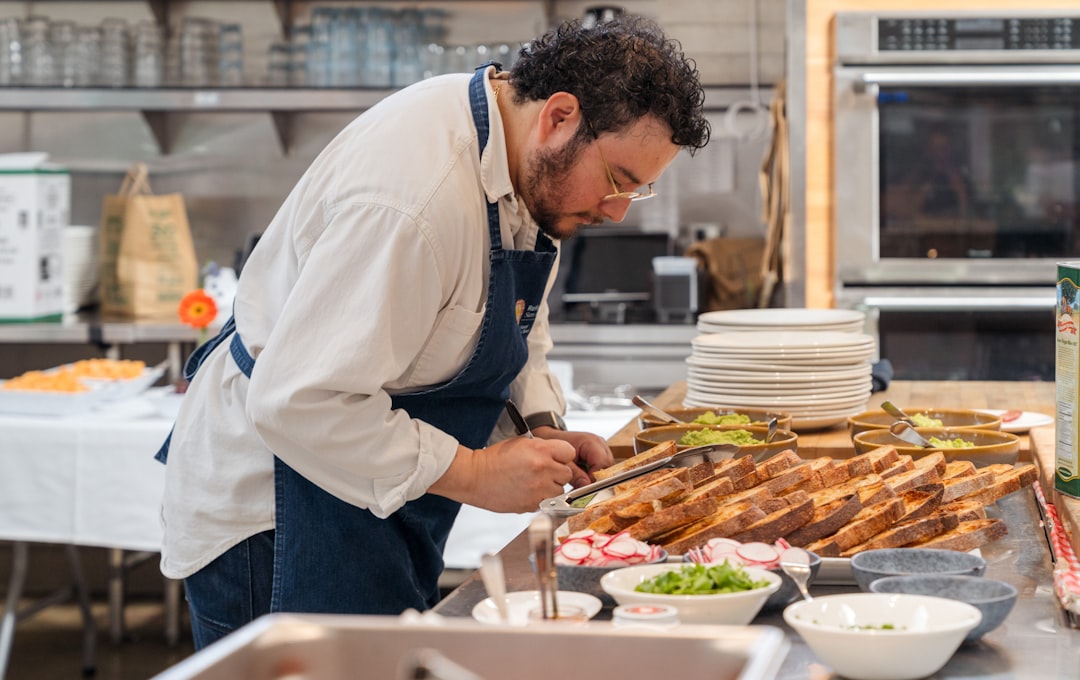
A hotel chef carefully plates a locally sourced hotel breakfast dish featuring seasonal vegetables and regional grains

Hotel breakfast is no longer a neutral act. Across the world, the morning table has become a quiet statement of where a property stands in relation to its land, its farmers, and its food memory.

Why regional identity starts at breakfast

Regional breakfasts are traditional morning meals unique to specific countries or cultures, shaped by local ingredients and culinary customs. That sentence seems simple. In practice, it describes a discipline that takes years to build well.

Enjoying the local cuisine is an unmissable part of any travel experience. Even guests travelling for business appreciate the opportunity to enjoy regional cuisine. The hotel breakfast is often the first meal of the day in a new place. It sets the tone for everything that follows.

GUSTO guide worldwide restaurants, hotels, nightlife, professional services GUSTO guide worldwide restaurants, hotels, nightlife, professional services GUSTO guide worldwide restaurants, hotels, nightlife, professional services

Hyper-locality is one of the biggest trends shaping hotel food right now. That is not a marketing claim. It is a response to guests who arrive with a genuine desire to understand where they are, beginning with what is on the plate in front of them.

How hotels connect the menu to the land

Hotel breakfasts are becoming more local and seasonal because they focus on fresh, high-quality ingredients sourced directly from nearby farms. This approach not only boosts authenticity and supports local communities but also makes each meal more memorable through vibrant presentation and regional flavors.

Farm-to-table dining is becoming a central focus, with many properties emphasizing locally sourced ingredients to provide guests with a fresher, more authentic culinary experience. In Scandinavia, this means cold-smoked fish, pickled vegetables, and dense rye bread from a mill within 50 kilometres. In coastal Japan, it means warm dashi, fresh tofu, and grilled fish caught the night before.

These signature hotel restaurants often serve farm-to-table cuisine, locally sourced ingredients, or innovative dishes inspired by the surrounding region. Hotel restaurants in major cities may showcase seasonal and locally inspired menus that reflect the area’s culture and history, while beach resorts might feature fresh seafood or tropical fruits.

The role of seasonal menus in hotel breakfast culture

Seasonal menus keep offerings innovative, engaging, and aligned with harvest cycles, enriching guest satisfaction. A hotel breakfast in northern Sweden in February looks nothing like the same property’s menu in August. That gap is not a flaw. It is the point.

More farm-to-table concepts highlight local, seasonal ingredients sourced from nearby farms. Menus are designed to minimize food waste, with ingredients used efficiently across dishes. Reducing waste and reflecting the season are not separate goals. They are the same goal, approached from 2 directions.

Emphasizing local, seasonal ingredients enhances freshness, flavor, and supports regional farmers and economies. Authentic sourcing and regional traditions boost the breakfast’s cultural authenticity and sustainability.
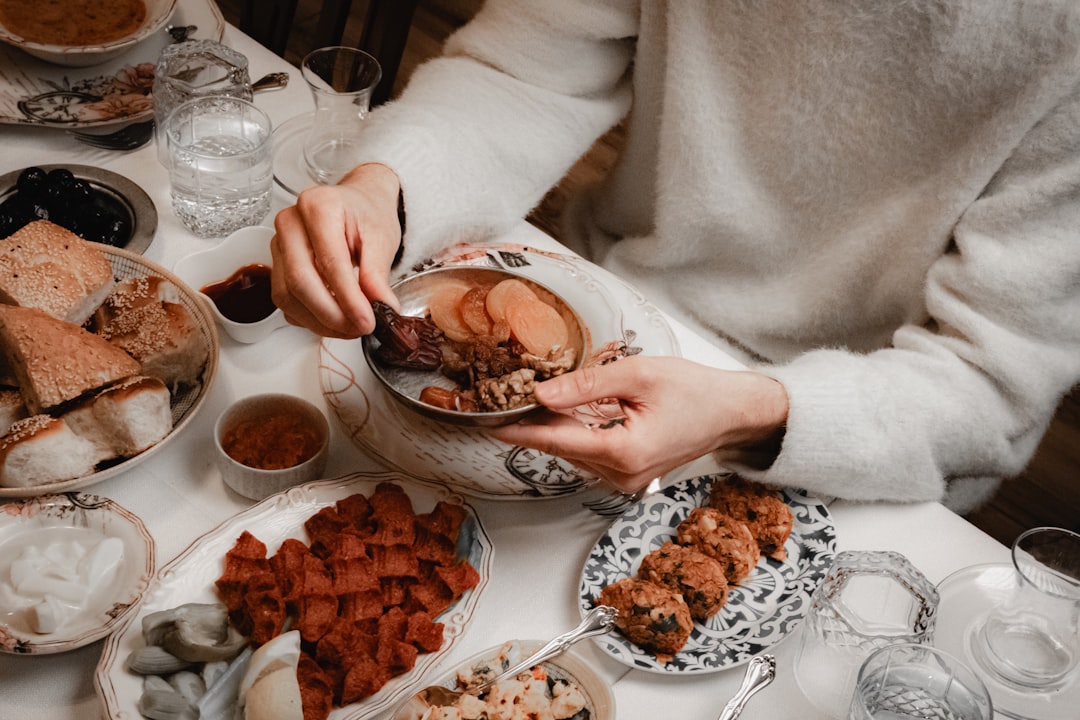
A hotel guest enjoys a regional hotel breakfast spread that reflects the local food culture of the destination

-

A food buyer tasting specialty food samples at a busy trade show booth in New York City

Specialty food trends from the Summer Fancy Food Show

20/07/2026
A hotel server guides a guest through an unfamiliar dish during staff training for global cuisines at a fine dining table

Best staff training for global cuisines

15/07/2026
A fine dining chef and a local farmer discuss seasonal produce reflecting a direct fine dining sourcing relationship.

Fine dining sourcing: 5 ways it works

10/07/2026
A chef carefully arranges light seasonal dishes on a rooftop dining terrace during a warm summer service

Rooftop dining menus built for summer heat

05/07/2026
A chef steps out of a small restaurant kitchen to welcome loyal regulars at their table

Loyal regulars: no marketing budget needed

22/06/2026
A chef sets a table on a restaurant patio preparing for summer patio service at the start of outdoor season.

Patio service: 5 ways restaurants prepare

14/06/2026

An expert perspective on hotel breakfast and regional culture

The relationship between a hotel and its local food system is not transactional. It is relational. When a property commits to sourcing from nearby producers, it enters a conversation that changes the menu every season. Guests sense this. They taste the difference between a cheese that travelled 8 kilometres and one that crossed 3 borders. The best hotel breakfast programs do not simply feature local ingredients. They tell the story of the land through the plate. That storytelling is what guests remember long after they check out. It is also what earns the trust of the regional farming community, and that trust takes years to build.

Industry perspective, food culture and sustainable hospitality professionals

How major hotel groups are responding to regional culture

In the modern hospitality industry, offering regional breakfast options is more than a trend. It is a strategic way to provide authentic, culturally relevant experiences. Hotels, especially international chains and boutique properties, increasingly tailor their breakfast menus to reflect local flavours or to appeal to the cultural preferences of their guests.

Sustainability is a core priority, with hotels reducing plastic use and sourcing ingredients locally to minimize environmental impact. Choice Hotels partners with local suppliers for its breakfast programs. Nearly 61% of top hotel chains are focusing on sustainability initiatives, and 52% are collaborating with local food producers.

81% of tourists agree that food and drink help them understand the local culture and they increasingly seek local foods as part of an authentic experience. That number gives hotel groups a clear reason to invest in regional sourcing, beyond the ethical case.

A local farmer hands fresh seasonal produce to a hotel kitchen team preparing a hotel breakfast menu

Hotel breakfast as a cultural practice

Hotel breakfast, when it is done with intention, is one of the most honest forms of regional culture a property can offer. Local food should be simple, fresh, qualitative, traditional, and promote a unique relationship with the community and its territory. Outlets serving local foods are a front door for tourists to share this cultural discovery.

The discipline is not complex in concept. It asks only that a kitchen pays attention to what the land around it produces, and at what time of year. Hotel breakfast programs that follow this practice build something that a generic buffet cannot: a genuine sense of place. Guests carry that sense with them. It shapes how they remember the destination, the property, and the meal that started each day.

Discover more about hotel breakfast

  • FAO Local Sourcing Guide for the Hotel, Restaurant, Catering and Tourism Industries
  • Hotel Food and Beverage Service Market Report to 2035, Business Research Insights
  • Why Hotel Breakfasts Are Becoming More Local, Seasonal, and Surprisingly Memorable, Daily Bedroom

[End of deliverables]

author avatar
Lars Eriksen
Lars Eriksen grew up foraging wild herbs on the Danish coast with his grandmother, long before foraging became a culinary movement. He studied gastronomy at the University of Copenhagen and has spent two decades documenting the New Nordic revolution from the inside. From Noma's legacy to the next generation of Copenhagen chefs redefining what seasonal and sustainable really means, Lars writes with the quiet authority of someone who was there from the beginning.
See Full Bio
Previous Post

Cold soba and chilled tofu in Tokyo

Next Post

Beach clubs in Dubai worth joining

Related Posts

A food buyer tasting specialty food samples at a busy trade show booth in New York City
Hospitality Insights

Specialty food trends from the Summer Fancy Food Show

20/07/2026
A hotel server guides a guest through an unfamiliar dish during staff training for global cuisines at a fine dining table
Hospitality Insights

Best staff training for global cuisines

15/07/2026
A fine dining chef and a local farmer discuss seasonal produce reflecting a direct fine dining sourcing relationship.
Hospitality Insights

Fine dining sourcing: 5 ways it works

10/07/2026
A chef carefully arranges light seasonal dishes on a rooftop dining terrace during a warm summer service
Hospitality Insights

Rooftop dining menus built for summer heat

05/07/2026
A chef steps out of a small restaurant kitchen to welcome loyal regulars at their table
Hospitality Insights

Loyal regulars: no marketing budget needed

22/06/2026
Next Post
People swimming in a large outdoor pool with palm trees and a distant city skyline under a clear blue sky.

Beach clubs in Dubai worth joining

Leave a Reply Cancel reply

Your email address will not be published. Required fields are marked *

Truelang AI Translations Truelang AI Translations Truelang AI Translations
No Result
View All Result

Our Focus

GUSTOwebzine is your international window on food culture: culinary lifestyle, trends, recipes and gastronomic stories for a global audience with a passion for exceptional taste.

Our Readers

GUSTOwebzine addresses readers who engage with food culture at a high level: as culinary professionals, passionate home cooks, food entrepreneurs, and tastemakers in their communities.

Our Approach

Recipes, trends, and dining culture are integrated as context and indicators of creativity, identity, and the social forces shaping how the world eats, not standalone content.

Recent Post

  • 6 slow-cooked braises from around the world
  • National Day dishes every table needs

© 2026 GUSTOwebzine by NOOR & NOOR — part of WEBZINE.world.

Welcome Back!

Login to your account below

Forgotten Password?

Retrieve your password

Please enter your username or email address to reset your password.

Log In
Manage Consent
To provide the best experiences, we use technologies like cookies to store and/or access device information. Consenting to these technologies will allow us to process data such as browsing behavior or unique IDs on this site. Not consenting or withdrawing consent, may adversely affect certain features and functions.
Functional Always active
The technical storage or access is strictly necessary for the legitimate purpose of enabling the use of a specific service explicitly requested by the subscriber or user, or for the sole purpose of carrying out the transmission of a communication over an electronic communications network.
Preferences
The technical storage or access is necessary for the legitimate purpose of storing preferences that are not requested by the subscriber or user.
Statistics
The technical storage or access that is used exclusively for statistical purposes. The technical storage or access that is used exclusively for anonymous statistical purposes. Without a subpoena, voluntary compliance on the part of your Internet Service Provider, or additional records from a third party, information stored or retrieved for this purpose alone cannot usually be used to identify you.
Marketing
The technical storage or access is required to create user profiles to send advertising, or to track the user on a website or across several websites for similar marketing purposes.
  • Manage options
  • Manage services
  • Manage {vendor_count} vendors
  • Read more about these purposes
View preferences
  • {title}
  • {title}
  • {title}
No Result
View All Result
  • Home
    • Our Authors
    • Subscribe for Free
    • Media Kit
    • Contact
    • Terms and Conditions
    • Cookie Policy
  • Discoveries
    • Chefs
  • Culinary Culture
  • Food & Drinks
  • Cooking Tips
    • Recipes
  • GUSTO Global
  • Insights
  • GUSTO Guide
    • Hotels Worldwide
    • Nightlife Worlwide
    • Restaurants Worldwide
    • Services Worldwide

© 2026 GUSTOwebzine by NOOR & NOOR — part of WEBZINE.world.

Not enough quota to unlock this post
Unlock left : 0
Are you sure want to cancel subscription?
Verified by MonsterInsights
enEnglishdeDeutschesEspañolfrFrançaisitItalianoja日本語nlNederlandszh中文
No results