Gluten-free flours are not a new discovery for Indian kitchens. They are a homecoming, and understanding how to bake with them connects your daily wellness routine directly to one of the world’s oldest food traditions.
Why India was always ahead on gluten-free cooking
This movement is not new. For centuries, Indian kitchens have relied on naturally gluten-free ingredients: lentils, rice, and especially millets. The shift toward wheat in modern urban diets was the exception, not the rule. Today, millions of Indians are rediscovering what their grandparents already knew.

The Indian Council of Medical Research (ICMR) declared a gluten-free diet as a cornerstone for the management of celiac disease. Beyond medical need, the broader wellness movement is also creating demand. The Indian gluten-free food and beverage market has experienced rapid expansion, with an expanding base of health-conscious consumers and a rise in disposable incomes. The market is not limited to those with gluten-related disorders; many individuals opt for gluten-free products as part of their health and wellness routine.
Government campaigns like the International Year of Millets encouraged the use of naturally gluten-free grains like ragi, bajra, and jowar. This creates a strong cultural and policy moment to explore these flours with fresh confidence.
The core gluten-free flours every Indian kitchen needs
Ragi (finger millet), jowar (sorghum), and bajra (pearl millet) are India’s most common gluten-free staples, used for roti, porridge, and dosa batter. Each flour brings a distinct character to your cooking. Knowing that character is the key to good results.

ICMR-NIN’s 2024 Dietary Guidelines for Indians recommend including millets in at least 1 meal daily, citing ragi’s 344 mg calcium and 11.2 g fibre per 100 g, and bajra’s 11.6 g protein and 8.0 mg iron per 100 g. These are not substitute ingredients. They are nutritional powerhouses in their own right.
Chickpea flour (besan) is nutty and dense, and it is a staple in Indian kitchens for pakoras, chillas, and savory breads. Besan has a slightly nutty flavor and a smooth texture when mixed well. It is the most common flour used in Indian cooking. For baking, besan adds protein, binding strength, and a warm, earthy depth.
How to bake successfully with gluten-free flours
Baking with gluten-free flours requires 1 important mindset shift: no single flour behaves like wheat atta. Wheat contains gluten, which forms an elastic network that traps air and gives structure. Without it, you need to build that structure another way.
Using a mix of flours often gives better texture and flexibility. A practical blend for soft baked goods combines ragi or jowar with a small amount of besan for binding. Coconut flour absorbs a lot of liquid and adds a subtle coconut flavor. It works well in pancakes, muffins, and desserts, but is best combined with other flours.
Jowar flour has gained popularity in gluten-free baking. It is difficult to make dough with it due to it not being elastic, so it is mostly shaped by hand or rolled between 2 sheets of plastic. For baked goods like cookies and cakes, jowar works best when you add a binding agent such as flaxseed paste, psyllium husk, or an extra egg.
Expert perspective on gluten-free baking in India
Gluten-free baking in India is not about imitation. It is about returning to ingredients that Indian agriculture has cultivated for thousands of years and applying modern technique to them. When you use ragi, jowar, or besan in a cake or a muffin, you are not compromising. You are enriching the final product with fibre, minerals, and flavour that refined wheat flour cannot offer. The challenge for home bakers is learning to embrace a different dough feel: slightly more crumbly, less elastic, and more honest about what it is. Blending 2 or 3 flours solves most texture problems. Indian kitchens already hold all the tools needed for this transition.
Industry perspective, food nutrition and gluten-free bakery professionals in India





Practical tips for blending and storing gluten-free flours
Chickpea and sorghum flours are well suited for Indian flatbreads and snacks. If you want a flour that works for many dishes, try a blend of millet, rice, and lentil flours. Start with a ratio of 60% base flour (jowar or ragi) and 40% binding flour (besan or rice flour). Adjust with small amounts of tapioca starch for a lighter crumb.
Rice flour is one of the most common gluten-free Indian cooking flours. It has a neutral taste and a slightly grainy texture. It works very well for crispy recipes like dosa and for coating when frying. In baking, white rice flour creates a lighter base for cakes, while brown rice flour adds a nuttier note to breads and rusks.
Store all gluten-free flours in airtight containers, away from humidity. Ragi and bajra absorb moisture faster than wheat atta. A cool, dry shelf extends their life to about 3 months. Label every container with the date you opened it.
Conclusion: bring gluten-free flours into your daily baking
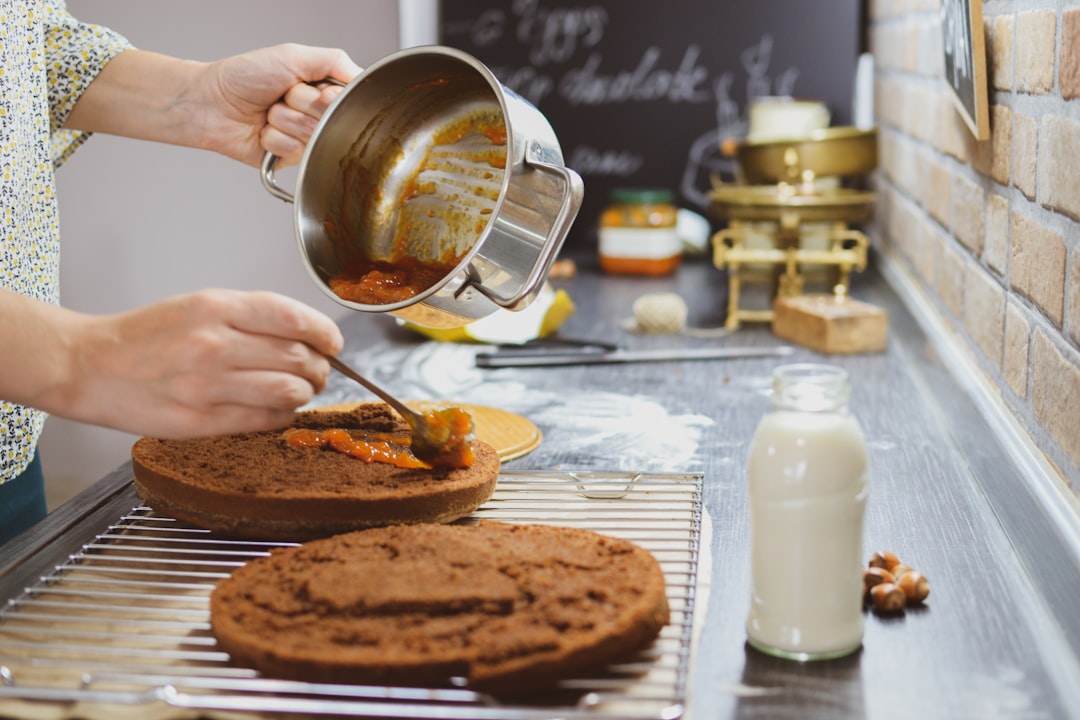
These grains formed the backbone of Indian diets long before wheat became dominant. Today, choosing gluten-free flours is both a wellness decision and an act of cultural pride. Whether you bake a ragi chocolate cake, a jowar loaf, or besan ladoo cookies, you are joining a tradition that stretches back generations.
Start with 1 flour, try 1 recipe, and build from there. Gluten-free flours reward patience and curiosity. India’s pantry has always been generous. All you need to do is open it.
Discover more about gluten-free flours
- FSSAI Guidance Note on Gluten-Free Food Standards
- India Gluten-Free Products Market Outlook 2026, 2033, Grand View Research
- India Gluten-Free Food Market Size, Share and Growth, IMARC Group
Originally published on INDIAwebzine.