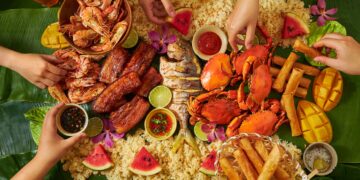
Friday the 13th is a gift for foodies who love food with a story. This date connects myth, culture, and cuisine in ways few calendar days can match. Moreover, it gives food lovers a rare excuse to cook with drama and intention. In 2026, Friday the 13th arrives three times — February, March, and November. That means three chances to explore the world’s most superstitious recipes.
Friday the 13th and the Global Food Superstition Map
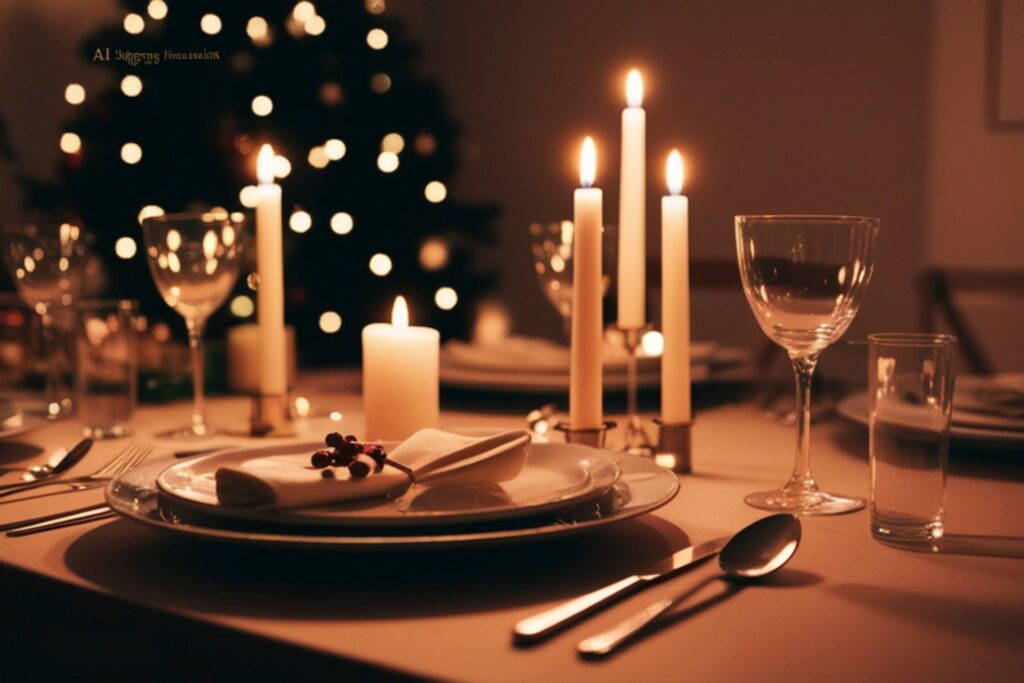
In France, hosting 13 dinner guests is considered deeply unlucky. Hosts traditionally invite a fourteenth guest just to break the curse — a practice still observed at formal Parisian dinner parties today. This ritual shapes how French hosts plan their tables even now.
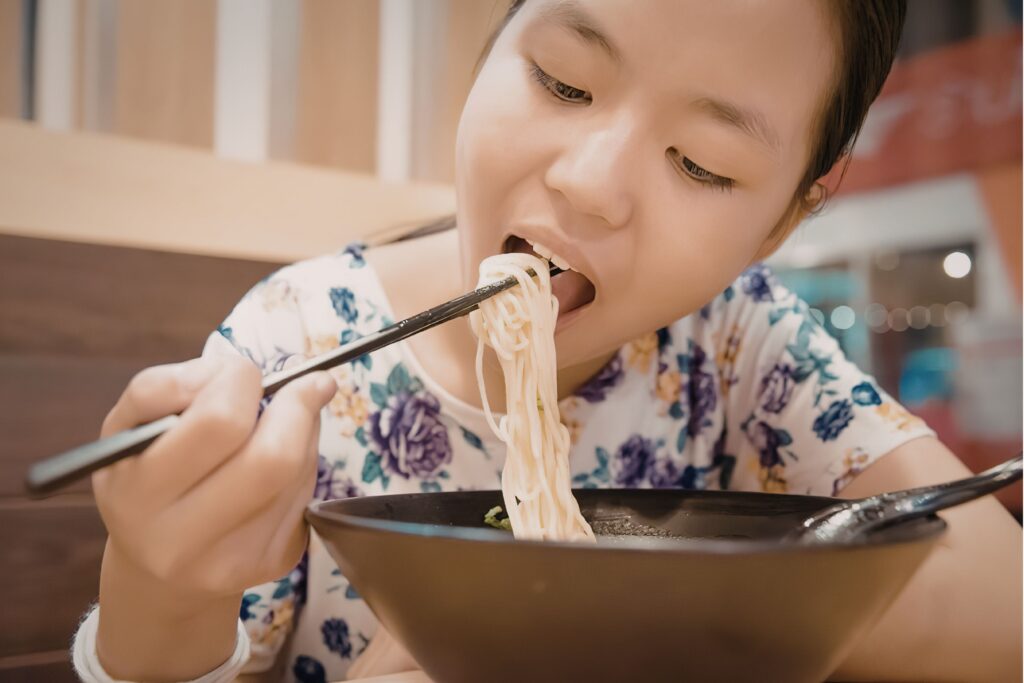
Meanwhile, Chinese culinary tradition treats noodle length with great seriousness. Cutting or breaking noodles is believed to shorten your lifespan, so careful cooks always let noodles stay whole. Foodies who respect this tradition never snap a single strand.
Why Friday the 13th Is a Big Deal for Foodies in 2026
2026 is a remarkable year for this date. Three Friday the 13ths fall in February, March, and November. This gives food lovers multiple meaningful moments to cook with purpose.
Krispy Kreme launched a “lucky in love” giveaway on Friday the 13th in February 2026. They handed out 13,000 coupons for a free dozen glazed donuts, redeemable within exactly 13 days. That kind of edible celebration shows how foodies are fully embracing the date.
Additionally, many people host full 13-course dinners on this day. Others bake a baker’s dozen of pastries and share them with neighbors. The food rituals around Friday the 13th are growing bigger every year.
Lucky Foods That Beat the Unlucky Day
Across the world, certain foods appear again and again on lucky lists. These are the staples that cultures trust on an unlucky day.
Garlic tops the list almost everywhere. It is considered a powerful protective food in many traditions, appearing in Italian bruschetta, Greek stews, and Mexican mole. Salt follows right behind. Long treated as a lucky ingredient across cultures worldwide, it wards off evil — though spilling it is almost universally seen as bad news.
Furthermore, black-eyed peas, lentils, and long noodles all carry good fortune in their home cultures. Making a pot of black-eyed peas on Friday the 13th is one popular way to push back against the day’s unlucky energy. Foodies worldwide treat these humble dishes as edible armor.
What a Foodie Said About Friday the 13th Cooking
María González, Food Blogger & Culinary Storyteller, Mexico City
“I used to ignore Friday the 13th completely. Then I discovered how many cultures cook with superstitions in mind. My whole kitchen mindset shifted. I made a 13-ingredient mole on the next Friday the 13th. My friends called it the best dish I had ever made. Now I cook it every single time.”
Uruguayan Asado: Grill & Mate Culture
Uruguayan asado brings people together through slow-grilled meat and mate tea. Discover South American grill traditions and social rituals.
Belgian Fries: Best Potato Varieties
Belgian fries demand the right potatoes for that perfect crispy exterior and fluffy interior. Therefore, choosing the correct variety makes...

April Fools: Fish, Food & Fun Origins
April Fools has a secret and it smells like the sea. Every year on April 1, millions of people worldwide...

Beer Workshop Success in 7 Simple Steps
Planning a Beer Workshop combines two popular passions into one memorable event. Additionally, pairing craft brews with live music creates...
Friday the 13th Food Rituals Around the World
Different countries treat this date very differently at the table. However, food rituals appear in almost every culture you explore.
In Spanish-speaking countries, the unlucky date is actually Tuesday the 13th. So foodies there follow a completely different calendar for superstitious cooking. In Greece, food beliefs run equally deep. Greek tradition warns never to place bread upside down at the table, as this invites hunger and poverty into the home.
Here are Friday the 13th food rituals practiced by foodies worldwide in 2026:
France — Invite a 14th guest to avoid the unlucky table of 13
China — Cook long noodles whole; never cut or break them
Greece — Keep bread right-side up; never flip the loaf
Mexico — Cook with 13 ingredients for balance and protection
USA — Eat cornbread, black-eyed peas, and garlic-forward dishes
Italy — Serve lentils and beans for luck and abundance
The Psychology Behind Friday the 13th Food Choices
Why do foodies lean into rituals on unlucky days? The answer is more logical than you might think.
Studies show that on Friday the 13th, people tend to avoid travel, stay home, and delay important decisions. That means more time in the kitchen. Consequently, home cooking spikes sharply on this date across the globe.
Psychologists note that small rituals — including cooking a specific dish — can genuinely calm the nervous system and improve mood on anxious days. In other words, making a lucky meal is not just superstition. It is real self-care. For foodies, that is reason enough to cook something extraordinary every Friday the 13th.
Conclusion: Make Friday Your Most Delicious Date
Friday the 13th is no longer just an unlucky day on the calendar. Indeed, it has become a global food event. Foodies from Mexico City to Tokyo use Friday as a reason to cook boldly, eat intentionally, and connect with deep culinary tradition.
Therefore, with three Friday the 13th dates in 2026, you have more chances than ever to join the celebration. Plan your menu, invite your most adventurous food friends, and turn superstitions into your best meal of the year. Browse our recipes and find your lucky dish today.