Wagyu beef represents pinnacle of Japanese culinary excellence through intricate grading system measuring marbling and quality standards. Furthermore, understanding grading criteria and proper cooking techniques maximizes this premium ingredient’s exceptional characteristics. Indeed, mastering wagyu beef preparation transforms home cooking into restaurant-quality dining experiences.
What Makes Japanese Wagyu Beef Uniquely Premium?
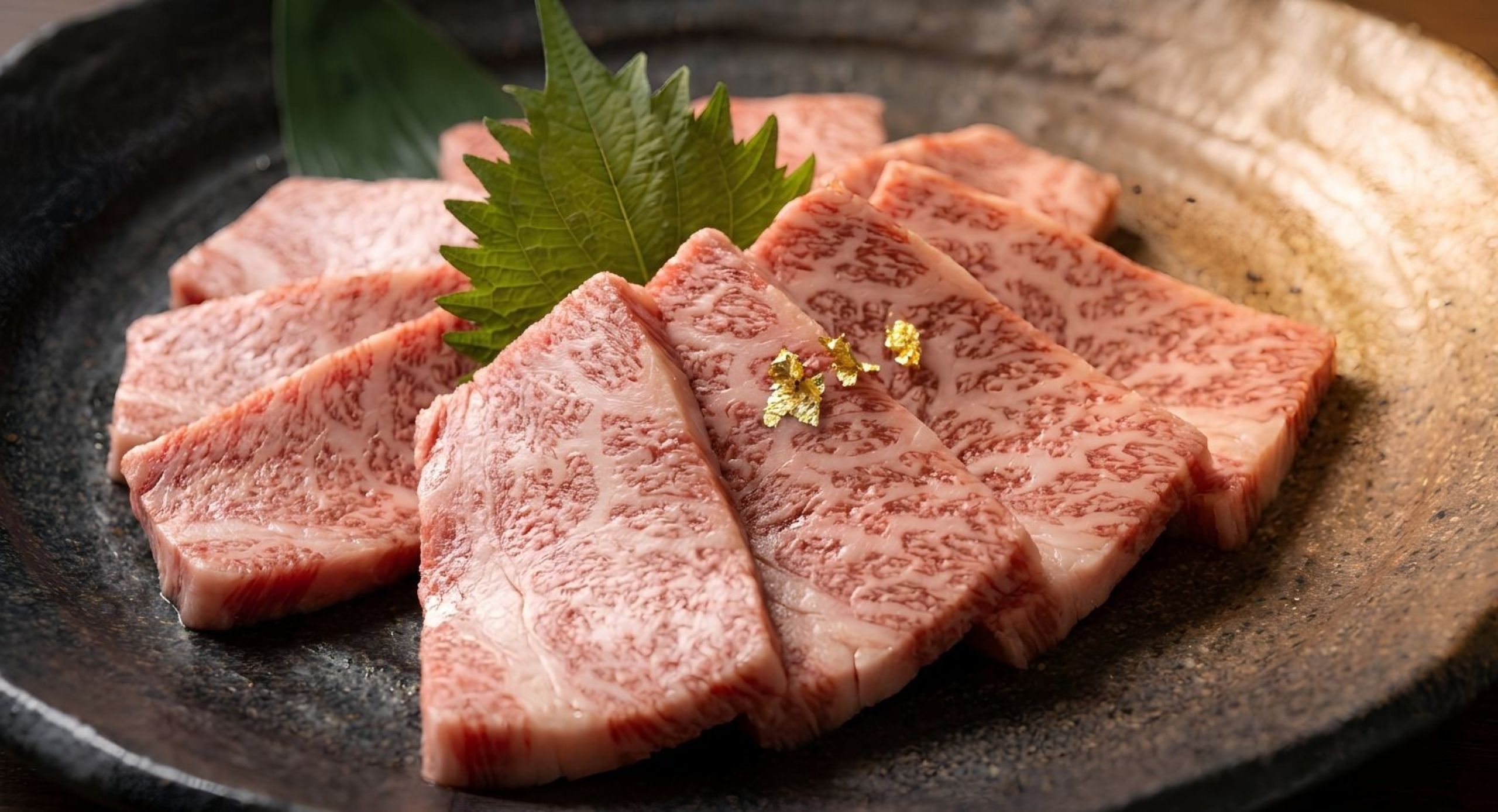
Japanese wagyu beef contains exceptional intramuscular fat creating marble patterns. Consequently, this marbling produces buttery texture and rich umami flavor. Authentic wagyu comes from four specific Japanese cattle breeds.

Additionally, strict breeding and feeding protocols ensure consistent quality. Therefore, cattle receive specialized diet including beer and massage. Moreover, genetic lineage traces back generations maintaining breed purity.
Japanese Meat Grading Association evaluates all wagyu using standardized criteria. For instance, yield grade and meat quality grade determine final rating. Thus, A5 represents absolute highest quality designation possible.
How Does the Japanese Grading System Work?
Yield grade (A, B, C) measures usable meat percentage from carcass. Furthermore, A grade indicates highest yield above 72% edibility. Restaurants and consumers prefer A grade for value.
Quality grade (1-5) evaluates marbling, color, firmness, and fat quality. However, grade 5 represents highest marbling density and quality. Also, BMS (Beef Marbling Standard) scores 8-12 achieve grade 5.
Marbling score ranges from 1 (no marbling) to 12 (extraordinary). Meanwhile, scores 8-12 classified as A5 premium wagyu. Certainly, higher marbling correlates with tenderness and flavor intensity.
Meat color should be bright cherry red indicating freshness. For example, darker colors suggest aging or improper handling. Besides, uniform color distribution ensures consistent quality throughout cut.
Which Cuts Suit Different Cooking Methods Best?
Ribeye (rib rosu) contains abundant marbling ideal for grilling. Nevertheless, high fat content requires careful heat management. Specifically, medium-rare doneness showcases marbling without rendering excessively.
Sirloin (sāroin) balances lean meat with moderate marbling beautifully. On the other hand, this versatile cut suits multiple preparations. Additionally, slicing thinly works perfectly for shabu-shabu hotpot.
Tenderloin (hire) offers most tender texture with subtle marbling. For instance, this cut commands premium pricing consistently. Besides, brief high-heat searing preserves delicate texture perfectly.
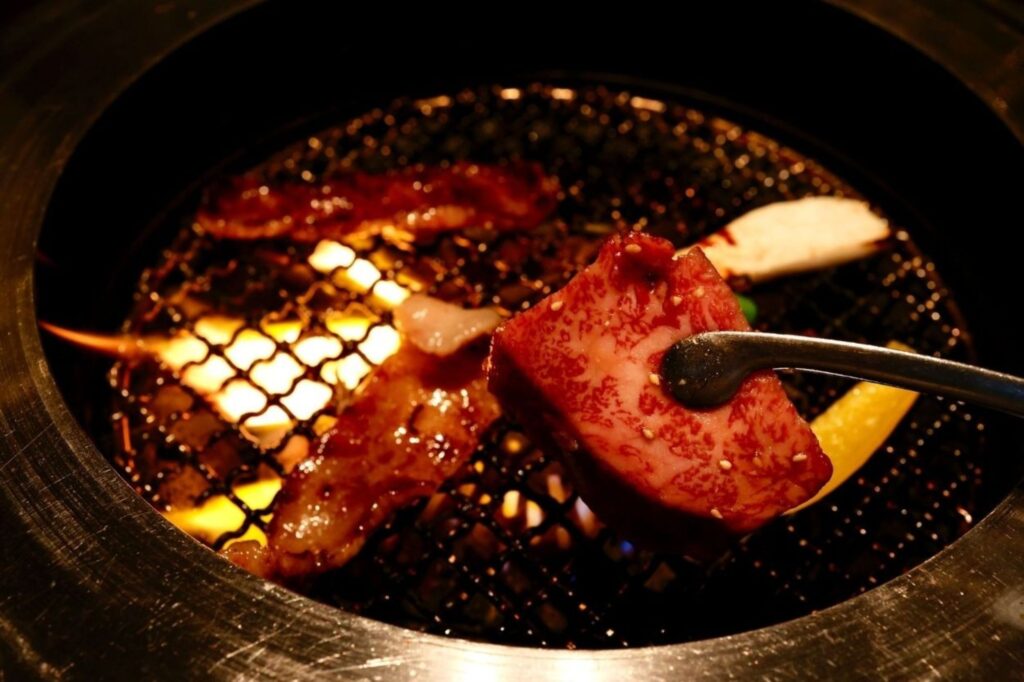
Short rib (karubi) provides rich flavor ideal for yakiniku grilling. Thus, thin slices cook quickly over charcoal heat. Furthermore, generous marbling prevents drying during cooking process.
What Professional Chefs Say About Wagyu Preparation
Chef Takeshi Yamamoto, Executive Chef, Tokyo Wagyu House
“Wagyu beef grading determines preparation approach fundamentally always. Japanese marbling requires gentle cooking respecting fat structure. Additionally, overcooking destroys delicate texture and wastes premium ingredient.”
“I recommend A5 wagyu served in small portions only. Cooking methods should enhance natural flavors without masking. Furthermore, simple salt seasoning allows marbling quality to shine. The grading system ensures consistency but chef technique determines final excellence.”
Uruguayan Asado: Grill & Mate Culture
Uruguayan asado brings people together through slow-grilled meat and mate tea. Discover South American grill traditions and social rituals.
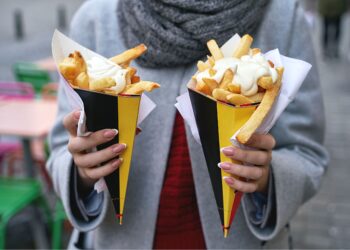
Belgian Fries: Best Potato Varieties
Belgian fries demand the right potatoes for that perfect crispy exterior and fluffy interior. Therefore, choosing the correct variety makes...

April Fools: Fish, Food & Fun Origins
April Fools has a secret and it smells like the sea. Every year on April 1, millions of people worldwide...
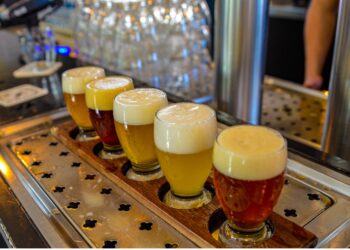
Beer Workshop Success in 7 Simple Steps
Planning a Beer Workshop combines two popular passions into one memorable event. Additionally, pairing craft brews with live music creates...
Which Cooking Methods Optimize Wagyu Flavor?
High-heat searing creates caramelized crust while maintaining rare center. Therefore, cast iron pans preheated to smoking point work. Currently, 90 seconds per side suffices for 2cm thickness.
Low-temperature sous vide ensures precise doneness throughout cut evenly. As a result, 54°C for 2 hours produces perfect medium-rare. Moreover, quick sear afterward adds textural contrast beautifully.
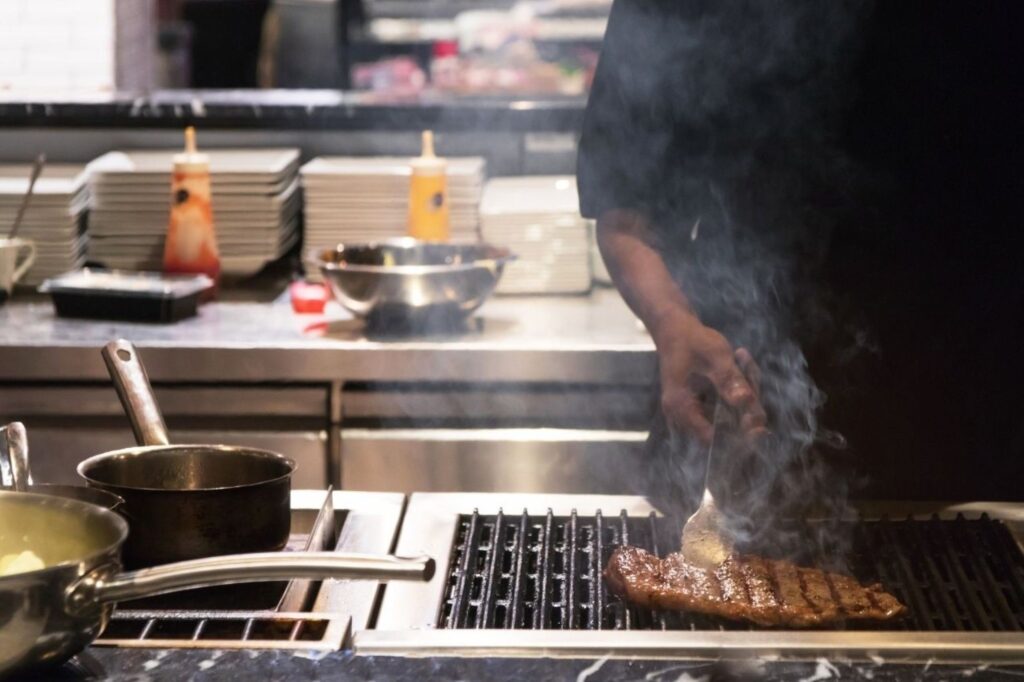
Teppanyaki grilling allows chef controlling temperature precisely constantly. Indeed, thin slices cook within 30-60 seconds total. Also, minimal seasoning highlights natural beef flavor characteristics.
Shabu-shabu hotpot involves swishing paper-thin slices briefly. Nevertheless, 3-5 seconds in simmering broth suffices completely. Undoubtedly, this method showcases marbling texture without heaviness.
What Essential Tips Ensure Perfect Wagyu Results?
Bring wagyu to room temperature 30 minutes before cooking. Meanwhile, cold meat cooks unevenly producing disappointing results. Certainly, thermal equilibrium ensures consistent doneness throughout.
Season minimally using only sea salt and pepper. However, excessive seasoning masks delicate wagyu flavor profile. Also, add seasonings after cooking preserving meat surface.
Avoid overcrowding pan ensuring proper heat circulation always. For example, cook one steak at time maintaining temperature. Besides, resting meat 5 minutes redistributes juices internally.
Slice against grain when serving maximizing tenderness perceived. Thus, shorter muscle fibers create more tender eating experience. Furthermore, thin slicing makes rich A5 wagyu more approachable.
Conclusion: Mastering Japanese Wagyu Beef Excellence
Wagyu beef grading system provides transparency ensuring quality consistency. Moreover, understanding Japanese marbling standards guides purchasing and preparation decisions.
Apply appropriate cooking methods matching cut and grade carefully. Furthermore, respect premium ingredient through minimal seasoning and technique. Practice proper handling from storage through serving presentation.
Source authentic Japanese wagyu from reputable certified suppliers only. Indeed, counterfeit products cannot replicate true wagyu characteristics. Begin your wagyu beef mastery journey creating exceptional culinary experiences.