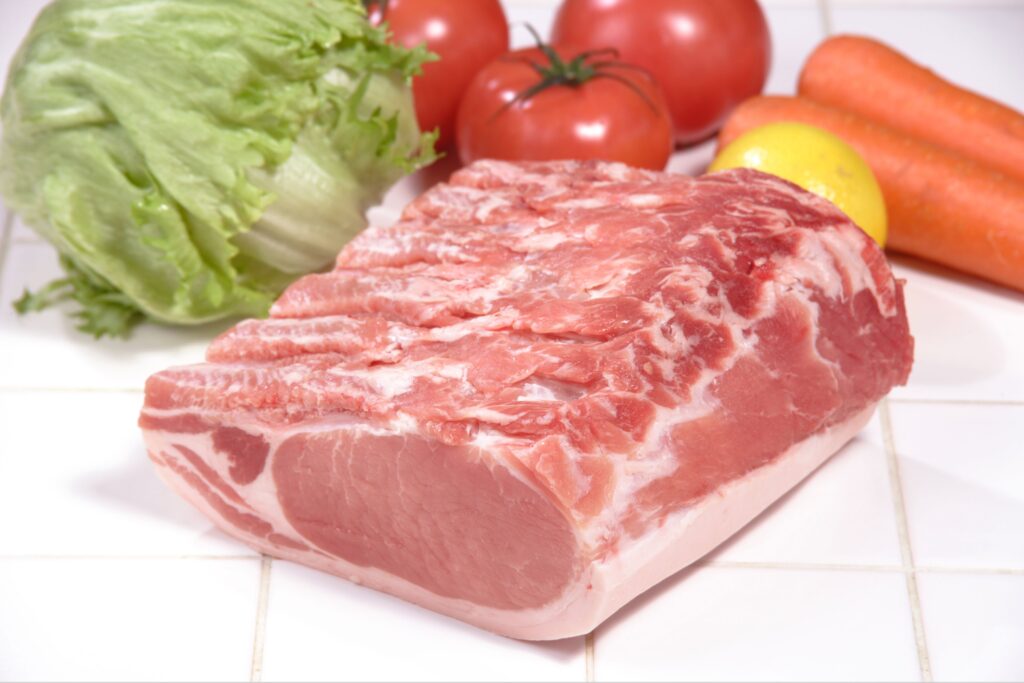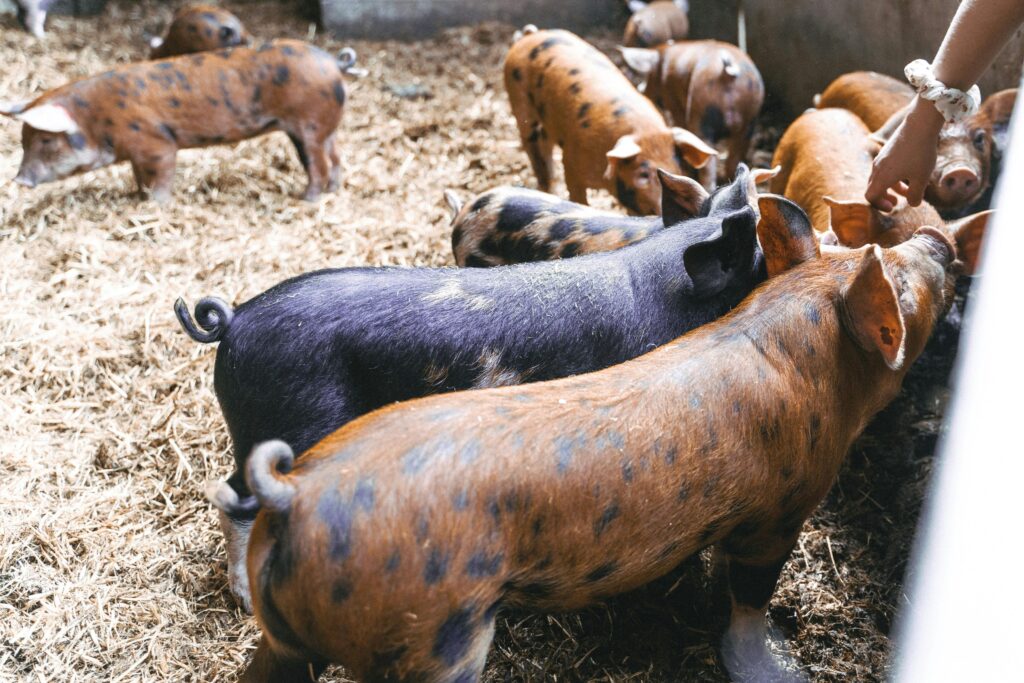
Pork myths have confused meat lovers for decades. However, many common beliefs about this popular protein are simply untrue. In fact, pork offers surprising nutrition benefits that most people overlook. Therefore, understanding the real facts helps you make better food choices.
Pork Myth 1: Pork Has No Nutritional Value
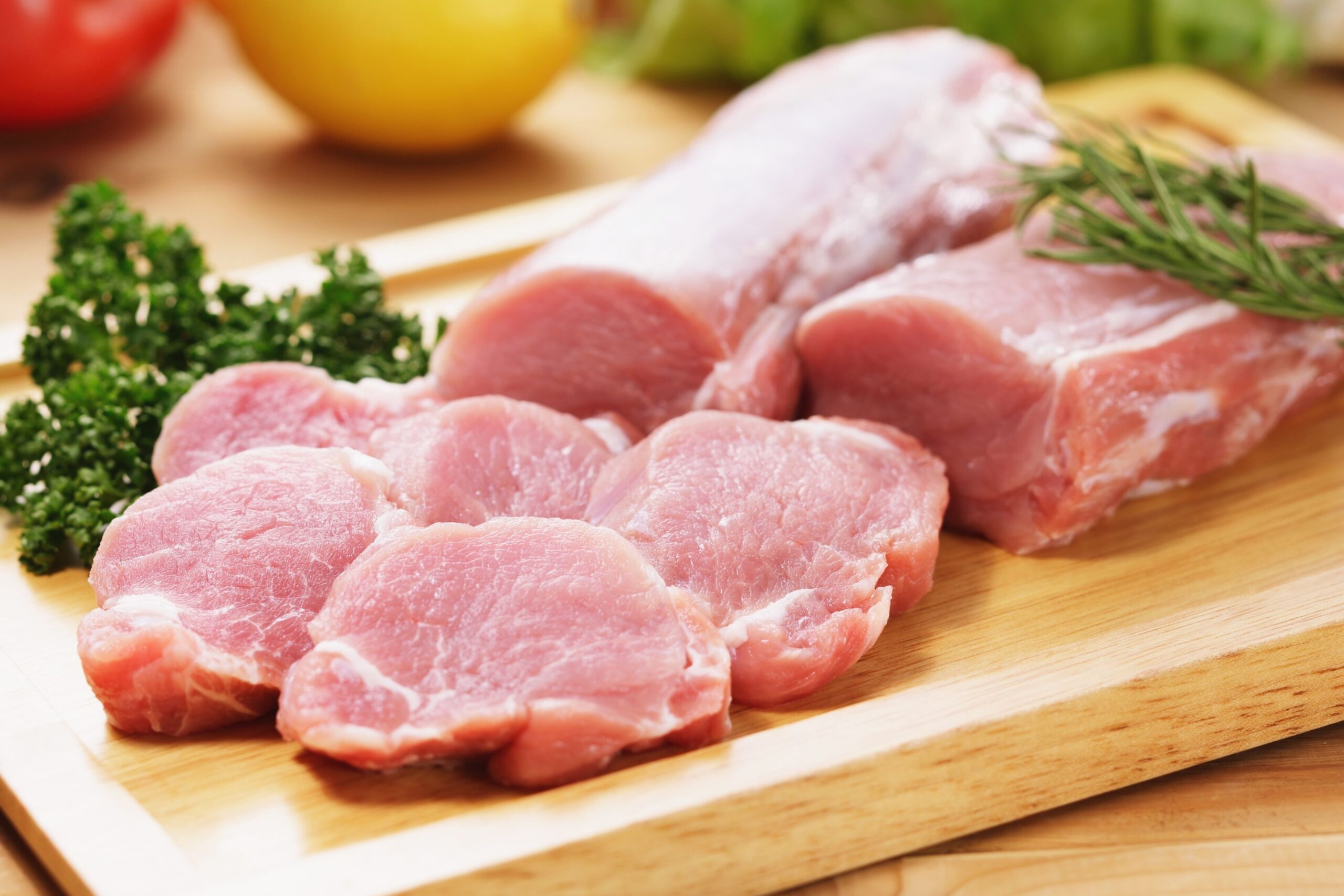
Many believe pork contains no nutritional benefits. However, this couldn’t be further from truth. Pork provides high-quality protein and essential vitamins.

For instance, pork contains thiamine and selenium. Furthermore, it offers zinc and vitamin B12. These nutrients support immune health and energy production.
Additionally, lean pork cuts match chicken in fat content. Modern farming produces leaner meat than before. Thus, pork fits easily into balanced diets.
Pork Myth 2: All Pork Is Dangerous to Eat
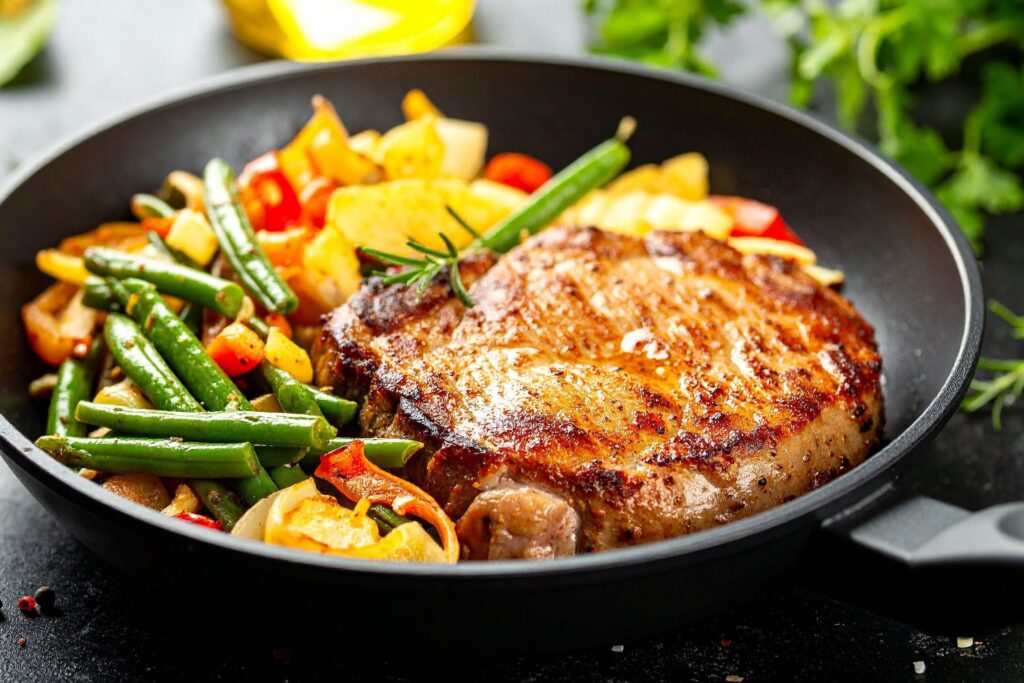
People often worry about pork safety concerns. Nevertheless, proper cooking eliminates health risks completely. The key lies in reaching correct internal temperatures.
Indeed, cooking pork to 63°C (145°F) ensures safety. Furthermore, parasites cannot survive modern farming conditions. American pork producers follow strict safety standards.
Besides, trichinosis cases are extremely rare today. In fact, only 15 cases occur annually nationwide. Therefore, fear about pork safety is largely outdated.
Pork Myth 3: Pork Must Be Cooked Until Gray
This outdated myth ruins perfectly good meat. On the other hand, slightly pink pork is safe. Modern guidelines allow for juicier, more flavorful results.
Moreover, overcooking makes pork dry and tough. Instead, use a meat thermometer for accuracy. Consequently, you’ll enjoy tender, delicious meals every time.
Pork Myth 4: Pork Causes High Cholesterol
Many blame pork for cholesterol problems unnecessarily. However, lean pork contains similar cholesterol to chicken. Additionally, portion size matters more than meat type.
For example, a three-ounce serving fits health guidelines. Furthermore, trimming visible fat reduces cholesterol further. Therefore, pork can fit heart-healthy diets easily.
What Meat Lovers Say About Pork
Maria Rodriguez, Home Chef, Texas
“I always believed pork myths about health risks. My family avoided pork for years based on old information. Then I researched current nutrition facts and farming practices.”
“Now pork appears in our weekly meal rotation. We enjoy leaner cuts three times monthly. My family loves the taste and versatility. Our grocery bills decreased by 20% too.”
Uruguayan Asado: Grill & Mate Culture
Uruguayan asado brings people together through slow-grilled meat and mate tea. Discover South American grill traditions and social rituals.

Belgian Fries: Best Potato Varieties
Belgian fries demand the right potatoes for that perfect crispy exterior and fluffy interior. Therefore, choosing the correct variety makes...

April Fools: Fish, Food & Fun Origins
April Fools has a secret and it smells like the sea. Every year on April 1, millions of people worldwide...

Beer Workshop Success in 7 Simple Steps
Planning a Beer Workshop combines two popular passions into one memorable event. Additionally, pairing craft brews with live music creates...
Myth 5: Processed Pork Equals Fresh Pork
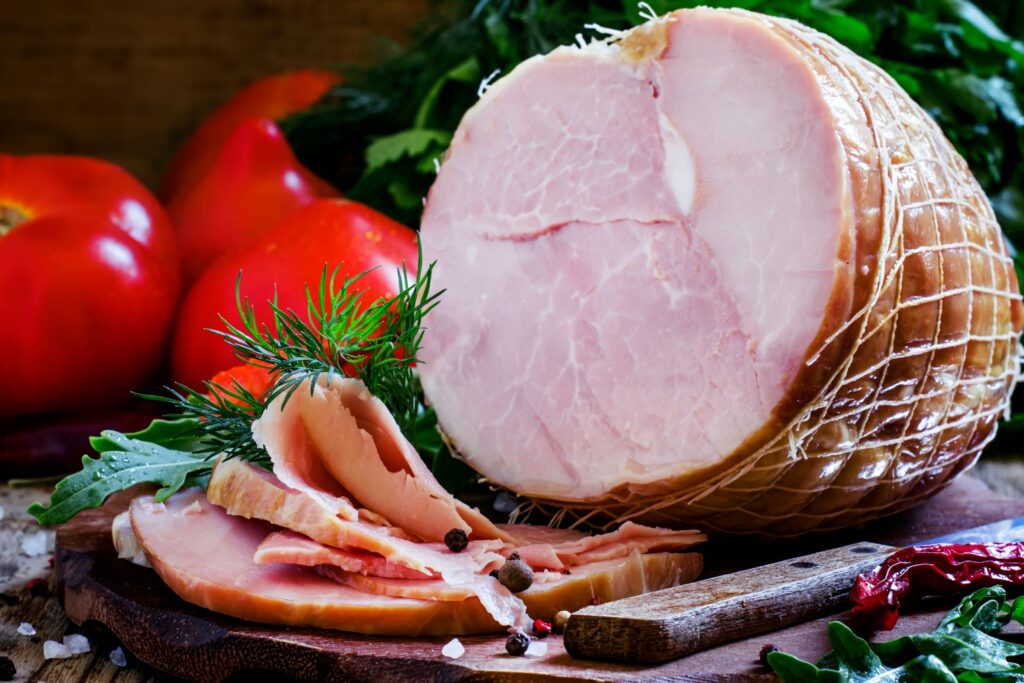
Fifth, many fear all pork products equally. On the other hand, understanding processing helps clarify concerns. Fresh pork differs significantly from cured products.
For instance, bacon undergoes extensive processing and curing. Additionally, moderation matters more than complete avoidance. Therefore, balance creates healthier eating patterns.
Moreover, choosing quality products reduces potential issues. Read labels carefully before purchasing meat. Thus, informed choices lead to better outcomes.
Pork Myth 6: Pork Contains Harmful Hormones
Sixth, hormone concerns frighten many consumers unnecessarily. Nevertheless, US regulations prohibit hormones in pork production. This has been federal law since establishment.
Indeed, pork farmers cannot legally use growth hormones. Furthermore, strict inspections ensure compliance nationwide. Consequently, American pork remains hormone-free always.
Pork Myth 7: Pork Harms the Environment More
Environmental concerns surround meat production globally. Nevertheless, pork farming shows improving sustainability measures. Modern farms implement better waste management systems.
Furthermore, pork requires less water than beef production. Indeed, efficiency continues improving across the industry. Therefore, environmental impact varies by farming method.
Besides, local sourcing reduces transportation emissions significantly. Many regions now prioritize sustainable practices. Consequently, conscious consumers can find responsible options.
Pork Myth 8: White Pork Means Better Quality
Color doesn’t determine pork quality at all. However, many shoppers choose pale meat mistakenly. Actually, slightly darker pork often tastes better.
For example, heritage breeds produce darker meat naturally. Additionally, color variation indicates different muscle types. Therefore, judge quality by freshness, not color alone.
Pork Myth 9: Pork Lacks Protein Compared to Beef
This myth underestimates pork’s nutritional power completely. On the contrary, pork provides excellent protein content. A three-ounce serving delivers 22 grams of protein.
Moreover, pork protein contains all essential amino acids. Furthermore, it supports muscle growth and repair effectively. Thus, pork matches beef in protein quality.
Pork Myth 10: You Can’t Eat Pork Rare
Finally, confusion exists about proper pork doneness. Although rare pork isn’t recommended, medium works perfectly. The USDA approves 145°F with three-minute rest.
Indeed, this temperature allows slight pinkness inside. Furthermore, it maintains moisture and flavor beautifully. Therefore, you don’t need well-done pork anymore.
Conclusion: Understanding Pork Myths Better
Pork myths no longer need to confuse meat lovers. Indeed, science provides clear answers about nutrition and safety. Therefore, making informed choices becomes easier than ever.
Additionally, understanding pork myths helps appreciate this versatile protein. Modern farming delivers safer, leaner meat options. Hence, pork deserves reconsideration in your 2026 meal planning.
Finally, don’t let outdated beliefs limit your diet. Research facts and consult nutrition experts regularly. Start exploring delicious pork myths today with confidence and knowledge.