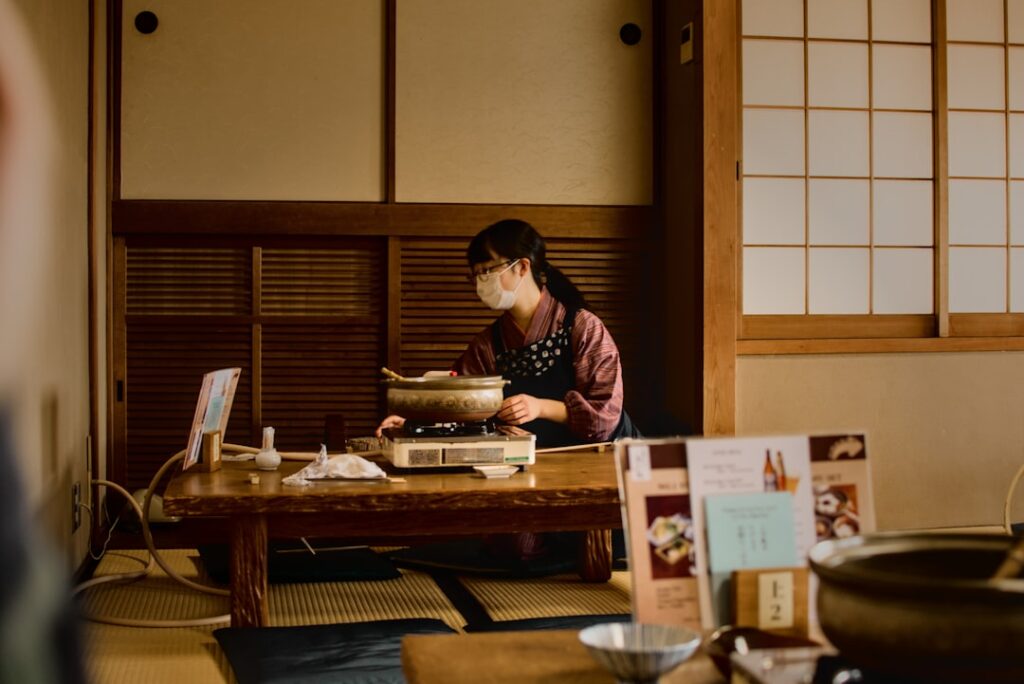
La culture de l'izakaya sans gluten à Tokyo possède la même beauté qu'un bento soigneusement préparé : chaque élément a sa place, et le rituel du choix est en soi un plaisir.
Comprendre la cuisine de l'izakaya
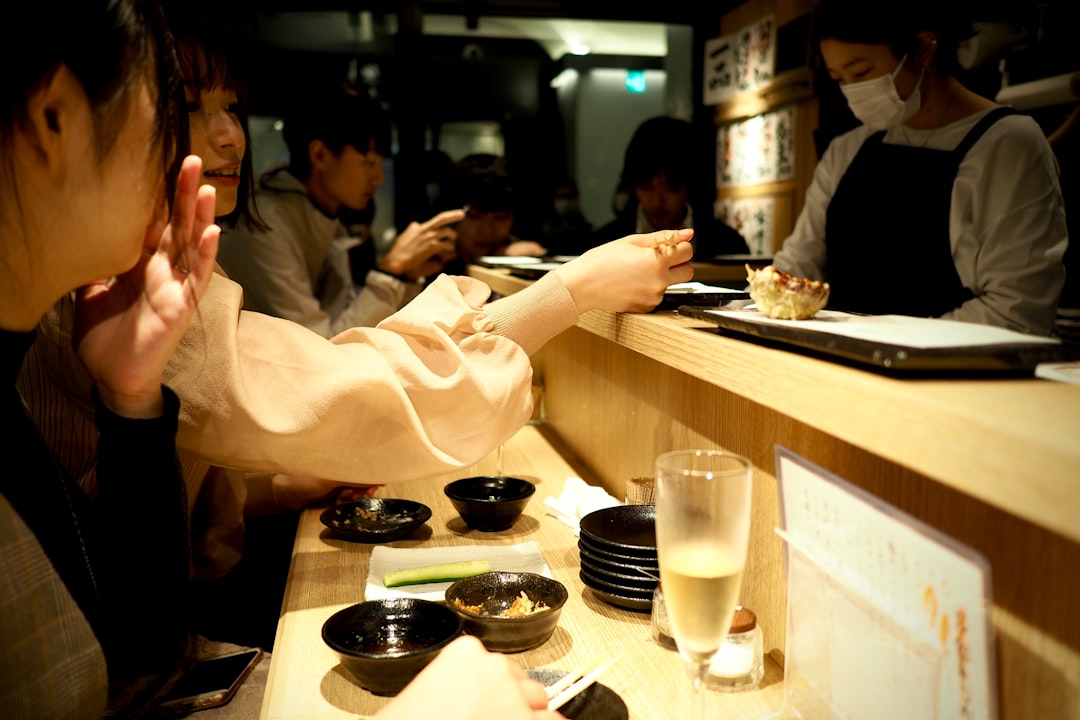
L'izakaya est la version japonaise de la brasserie française : un espace chaleureux et informel axé sur le partage de plats, de bonnes boissons et de longues conversations. Les izakayas sont connus pour leur ambiance détendue et leur large choix de petites assiettes à partager. Pour les convives sans gluten, toutefois, la cuisine réserve quelques surprises. La Japan Celiac Association est une organisation à but non lucratif qui sensibilise à la maladie cœliaque au Japon, car les ingrédients traditionnels comme la sauce soja, le miso et le dashi contiennent fréquemment du blé caché.

La sauce soja standard contient du blé. La plupart des glaçages tare et de nombreuses sauces pour tremper en contiennent également. Bien que le blé figure sur la liste des allergènes à déclaration obligatoire au Japon, le seigle, l'orge et l'avoine n'y sont pas. Les menus sans gluten ne sont pas courants au Japon, il est donc préférable de poser la question au personnel. Le savoir est votre premier et plus important outil avant de vous asseoir.
Le blé est désormais la troisième allergie la plus fréquente au Japon. Par conséquent, la sensibilisation à la maladie cœliaque et au régime sans gluten est en hausse, ce qui a conduit à une augmentation de l'ouverture de restaurants sans gluten à travers le Japon. Ce changement est progressif, mais il est réel, et Tokyo montre la voie.
Que commander dans un izakaya sans gluten
Plusieurs plats classiques d'izakaya sont naturellement sûrs ou faciles à modifier. L'edamame, des fèves de soja vapeur au sel, est naturellement sans gluten et disponible dans pratiquement tous les izakayas. Commencez par là. Puis tournez-vous vers la section grillades du menu.

Les brochettes de poulet, yakitori, peuvent être préparées avec une technique de cuisson au sel appelée shio, ce qui signifie qu'aucune sauce n'est ajoutée. Demandez que les vôtres soient assaisonnées avec du sel, shio, plutôt qu'avec le glaçage sucré à la sauce soja, tare. Ce simple petit mot, shio, vous ouvre une part importante du menu. Le poisson grillé, yakizakana, est également un incontournable des repas japonais et est sans danger tant qu'aucun glaçage à la sauce soja n'est utilisé.
Pour les options crues, le sashimi est un choix fiable. De nombreux aliments japonais traditionnels sont naturellement exempts de gluten. Le sashimi nature, des tranches de poisson cru servies sans riz, est l'une des options les plus sûres. La plupart des sauces soja au Japon contiennent du blé, alors apportez votre propre bouteille de tamari sans gluten ou de petits sachets de tamari jetables. Ce petit geste de préparation transforme n'importe quel plat de sashimi en une expérience complète et joyeuse.
Ce qu'il faut éviter et où se cache le gluten
Même les aliments que l'on pense généralement sans gluten peuvent contenir des sauces, des sirops et d'autres ingrédients contenant du gluten. C'est la vérité essentielle à connaître pour manger en izakaya avec une allergie. La soupe miso, par exemple, contient souvent du bouillon dashi à base de blé. De nombreux plats frits utilisent de la farine de blé dans la pâte. Les feuilles à gyoza contiennent du blé.
Les nouilles soba au sarrasin sont traditionnellement sans gluten, mais elles sont souvent préparées avec un mélange de farine de blé de nos jours. Vérifiez auprès du restaurant au préalable. La sauce pour tremper qui accompagne habituellement les soba n'est pas sans gluten. Même un plat qui semble sans risque peut contenir du blé caché. Parfois, l'edamame est préparé en utilisant l'eau de cuisson des udon et peut présenter un risque de contamination croisée, ce qui peut être confirmé avec le restaurant.
À moins qu'un restaurant ne se spécialise spécifiquement dans les menus adaptés aux allergies ou sans gluten, il y aura toujours un risque de contamination croisée. Abordez chaque visite avec une attention calme, pas avec anxiété. La même présence consciente qui rend la cuisine française si belle rend également possible le dîner dans un izakaya sans gluten.
-




Perspective d'expert sur la gastronomie sans gluten à Tokyo
Le défi de manger sans gluten au Japon n'est pas un manque de bonne volonté de la part du personnel des restaurants. C'est un fossé dans le vocabulaire partagé. La plupart des chefs d'izakaya veulent sincèrement satisfaire leurs clients, mais le concept de la maladie cœliaque en tant que condition médicale reste inconnu dans de nombreuses cuisines. Les mots "sans gluten" se traduisent souvent, en pratique, par "pas de sauce soja", ce qui ne constitue qu'une partie de la solution. Les convives qui apportent une carte d'allergie imprimée en japonais et qui posent des questions calmes et précises obtiennent de bien meilleurs résultats que ceux qui se contentent de demandes générales. Le format izakaya, basé sur de petites assiettes et des cuisines ouvertes, est en fait bien adapté aux adaptations lorsque la communication est précise. Chaque plat est préparé individuellement, ce qui donne à la cuisine une réelle flexibilité.
Perspective de l'industrie, sensibilisation aux allergies alimentaires et professionnels de la restauration à Tokyo
Comment demander en toute sécurité : outils de communication
La préparation avant votre arrivée compte plus que tout ce que vous faites à table. Une carte de traduction japonaise sans gluten est essentielle. Apprenez des expressions clés telles que "komugi arerugī desu", qui signifie "j'ai une allergie au blé". Écrivez cette phrase clairement et gardez-la sur vous à tout moment.
En cas de doute, utilisez votre carte de vocabulaire sur les allergies ou ouvrez une application de traduction et parlez à quelqu'un dans le restaurant. Les Japonais sont généralement très disposés à aider là où ils le peuvent, alors n'hésitez pas à demander. Le personnel ne connaît peut-être pas le mot anglais "gluten", mais il comprend l'allergie au blé, "komugi arerugī", comme une préoccupation sérieuse.
L'application "Find Me Gluten Free" est populaire au sein de la communauté cœliaque et sans gluten mondiale. Les utilisateurs peuvent rechercher des restaurants à proximité, lire les avis récents et voir les notes de sécurité basées sur les expériences d'autres convives. Utilisez cet outil avant de choisir votre izakaya pour la soirée. Un exemple d'option dédiée à Tokyo est le Gluten-free Izakaya SHION, un restaurant 100 % sans gluten où le propriétaire prépare un menu fixe de plats japonais traditionnels.
Conclusion
Dîner dans un izakaya sans gluten à Tokyo récompense le convive qui se prépare bien et observe attentivement. Le même savoir-faire qui façonne le travail d'un artisan français façonne également un menu d'izakaya : chaque ingrédient a une raison d'être, et chaque question que vous posez vous rapproche d'un repas préparé avec soin. Apportez votre tamari, gardez votre carte d'allergie sur vous et commandez des yakitori shio en toute confiance. Tokyo possède les meilleures options sans gluten parmi les villes japonaises, et la scène des izakayas sans gluten continue de s'y développer. Choisissez votre table, choisissez vos plats et laissez chaque petite assiette devenir sa propre petite cérémonie.
En savoir plus sur les izakayas sans gluten
- Celiac Disease Foundation : À propos de nous
- IMARC Group : Rapport sur la taille et la croissance du marché des aliments sans gluten au Japon
- Endless Distances : Tokyo sans gluten, le guide complet pour les cœliaques
Publié à l'origine sur TOKYOwebzine.